





















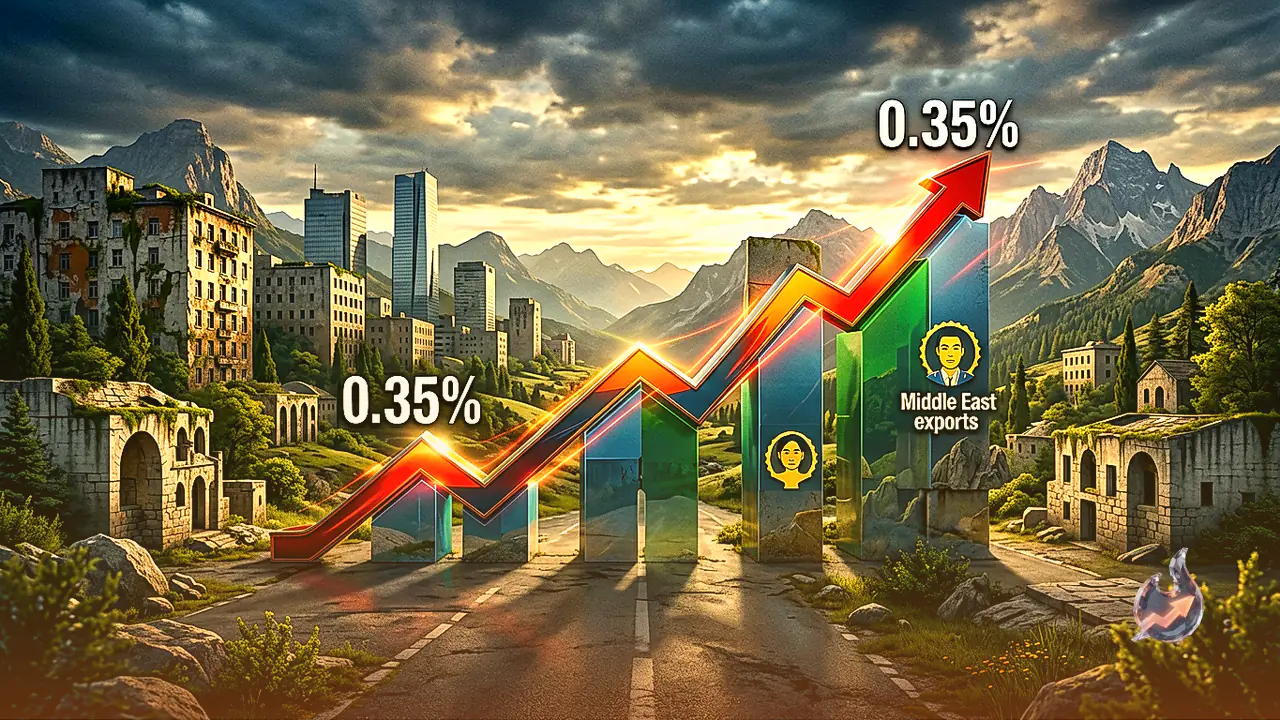

Economic activity in Germany has shown unexpected resilience over recent quarters, outperforming initial baseline projections. Gross domestic product (GDP) in Europe's largest economy expanded by approximately 0.35% in each of the past three quarterly periods. This sustained momentum was anchored primarily by robust trade demand from European Union partner nations. However, despite improved sentiment indicators, underlying structural rigidities and declining domestic private investment suggest that the overarching economic recovery will remain moderate rather than escalating into a rapid boom.
Export Demand Drives Quarterly Gains As Public Capital Expenditure Lags
The upward shift in the German business cycle has been principally sustained by foreign demand. Increased orders from EU trading partners provided crucial support for industrial output and commercial turnover. In contrast, public sector investment has failed to display a self-sustaining increase, even with the availability of specialized government funds. Statistical revisions to second-quarter GDP figures revealed higher performance than initially calculated, while expectations for the third quarter indicate a less severe weakness than previously assumed.
These upward revisions present slight positive risks to Germany's full-year growth projection of 1%. According to Dr. Ralph Solveen and research colleagues at Commerzbank, the proprietary Early Bird indicator alongside general business expectations demonstrates that economic conditions remain positioned above historical averages. This provides reasonable optimism that recovery dynamics will persist through the remainder of this year and into next year.
Declining Private Investment and Geopolitical Energy Risks
Despite recent indicators exceeding forecasts, empirical evidence does not yet confirm a self-sustaining economic expansion. For a recovery to become structurally durable, private capital expenditure must demonstrate steady expansion. Contrarily, private investment in Germany experienced another contraction during the second quarter. Consequently, quarterly growth rates are unlikely to accelerate sharply in upcoming periods, remaining anchored at a moderate pace.
Furthermore, external uncertainties continue to loom over the economic horizon. Ongoing military and political friction in the Middle East poses a continuous risk to global energy prices. Any sharp escalation in crude oil or refined product prices could impose substantial cost burdens on German industrial manufacturers, thereby dampening the momentum of the economic recovery.
Foreign Exchange Markets Shift Following Hawkish Federal Reserve Remarks
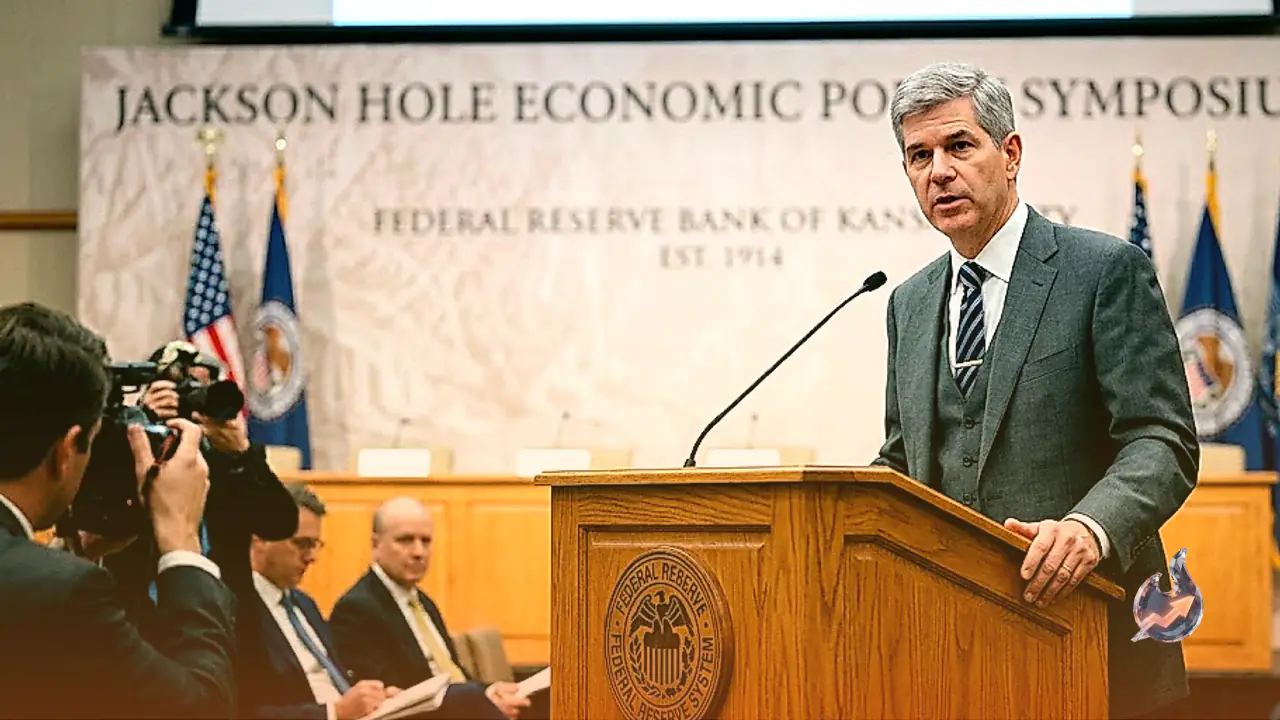
Global currency markets experienced heightened volatility following key policy signals from the United States. Federal Reserve Chair Kevin Warsh delivered his inaugural address at the Jackson Hole Symposium, held from August 27 to August 29 under the theme 'Financial Innovation: Implications for Payments and Policy.' The hawkish tone surrounding interest rate policy combined with the US Nonfarm Payrolls (NFP) Annual Revision showing a decline of -79K (-79,000 jobs) generated renewed strength in the US Dollar.
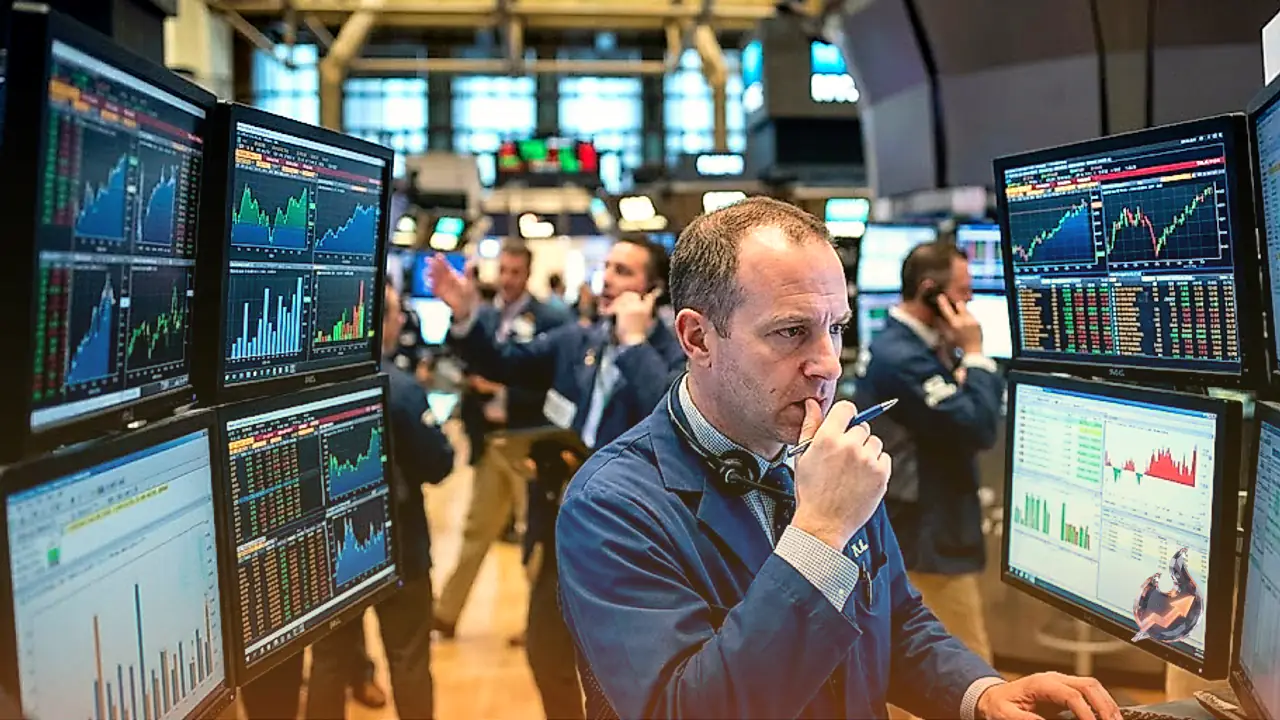
As a result, the GBP/USD currency pair extended its weekly correction, retreating toward the mid-1.3500 region on Friday. Simultaneously, EUR/USD witnessed accelerated selling pressure, dropping to multi-day lows near the 1.1600 threshold. The Dollar's broad rebound placed noticeable downward pressure on major European currencies.
Precious Metals and Cryptocurrency Markets Experience Pullbacks
Broader financial markets reflected cautious investor sentiment ahead of upcoming economic disclosures. Gold traded in a mixed, vacillating range around the critical $4,600 per troy ounce level, as traders evaluated interest rate expectations following Chair Warsh's address.
In the digital asset space, Bitcoin retreated below the $80,000 mark on Friday. The movement followed two failed attempts to breach resistance positioned between $81,000 and $82,000. Altcoins mirrored Bitcoin's cooling trend, with Ethereum sliding toward $2,500 and Ripple (XRP) declining toward its $1.40 key support level.
US Diesel Crack Spread Touches All-Time High Above $102
While crude oil prices appeared relatively contained, refined product markets indicated significant underlying tightness. The US diesel crack spread—measuring the price premium of ultra-low sulfur diesel futures over WTI crude oil—surpassed $100 per barrel for the first time in history, recording an intraday peak slightly above $102.00 per barrel.