






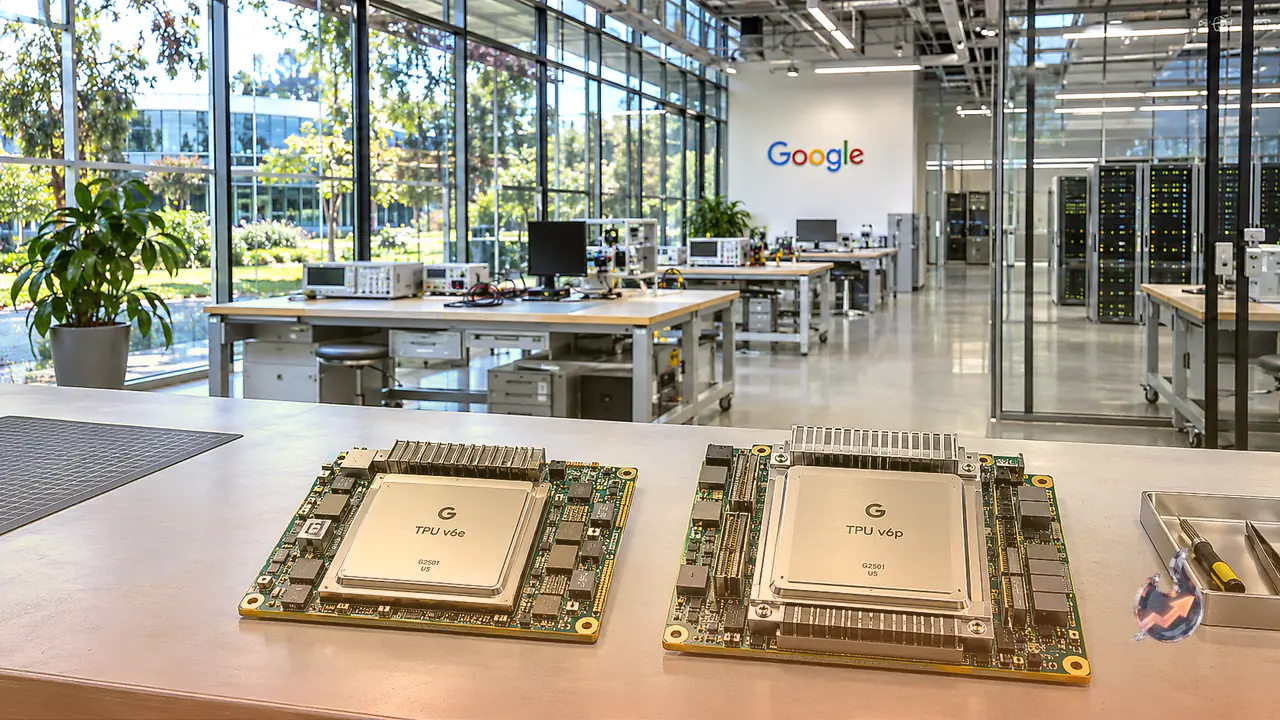
















United States equity benchmarks have staged an aggressive turnaround, erasing the sharp losses triggered in the wake of the midterm elections. The S&P 500 has climbed approximately 3% to revisit territory seen prior to November 4, effectively reversing a severe 4.4% single-session plunge recorded last week. This swift change in momentum has been predominantly orchestrated by the technology sector, where capital returned rapidly to beaten-down growth assets. Over the course of the past two trading days, the tech-heavy Nasdaq composite advanced 5%, carried higher by a massive move in the Philadelphia Semiconductor Index, which surged more than 11% to lead the broader market charge. Even with this rebound, market participants are keeping a wary eye on ongoing structural bottlenecks across the wider artificial intelligence ecosystem.
Semiconductor Strength Persists Alongside AI Infrastructure Obstacles
The core catalyst behind the two-day surge rested squarely within the semiconductor complex. Even with challenging news headlines involving Nvidia head Jensen Huang, high-growth technology shares demonstrated substantial resilience, enabling the Nasdaq to book strong consecutive gains. The leap of over 11% in the Philadelphia Semiconductor Index underlined continuing demand for advanced processors. Nevertheless, financial strategists highlight that structural concerns confronting the long-term expansion of US artificial intelligence facilities remain unresolved. High capital expenditure requirements, massive power demands for cutting-edge computing infrastructure, and supply network constraints represent potential headwinds that could dampen long-term institutional enthusiasm.
Foreign Exchange Markets React to Rate Speculation and Macro Data
In currency trading, the Australian dollar struggled to maintain upward momentum against the greenback, leaving the AUD/USD pair pinned defensively near the 0.6900 territory. The currency felt direct pressure from a shrinking trade surplus reported by China, Australia's primary export partner. Simultaneously, heightened expectations that the Federal Reserve could implement an interest rate increase in December provided support to the US dollar, checking any meaningful extension of its recent retreat. Currency desks are now adopting a defensive stance as they await the next consumer price inflation release from Washington.
Across the Pacific, the USD/JPY cross found eager buyers on pullbacks during Tuesday's Asian trading, pushing back above the 158.00 threshold. While the Bank of Japan released a relatively hawkish Summary of Opinions, its impact was largely neutralized by disappointing domestic household spending numbers, which sapped vigor from the Japanese yen. With expectations of tighter US Federal Reserve policy keeping the dollar firmly in demand as a liquid safe haven, the exchange rate maintained its upward trajectory ahead of the forthcoming inflation print.
Gold Pulls Back from Key Resistance as Bitcoin Slides Below $75,000
Commodities saw gold run into renewed technical resistance after reaching toward the $4,150 price band. While profit-taking cut into the precious metal's recent gains, bullion managed to hold ground above the $4,100 level heading into European dealing hours. The growing perception that the Federal Reserve may remain hawkish continues to divert capital away from zero-yielding bullion assets. At the same time, conflicting headlines regarding the diplomatic channel between the United States and Iran prevented extensive selling, keeping bullion relatively range-bound as traders await official inflation data.
In digital assets, Bitcoin faced renewed selling pressure, dropping under the $75,000 mark during Tuesday's session. The leading cryptocurrency had just recorded its lowest weekly close since August, leaving recent buyers exposed to unrealized losses. The drop illustrates broader macro caution as speculative assets adjust to higher bond yields and shifting policy expectations ahead of crucial economic readouts.
Labor Resilience Sets Stage for Critical CPI and PPI Inflation Prints
The ongoing reassessment of Federal Reserve policy stems largely from Friday's robust labor figures, which defied consensus forecasts. Non-farm payrolls jumped by 165,000 positions, nearly triple the projected 65,000 addition. The headline unemployment rate improved as well, declining from 4.2% to 4.1%. Wage expansion remained somewhat subdued, with average hourly earnings rising 0.4% to reach $32.75, presenting a picture of an economy that remains durable without experiencing immediate runaway wage-push inflation.
With jobs data confirming macroeconomic stamina, the narrative now turns directly toward two pivotal inflation releases due later in the week. The Consumer Price Index (CPI) is scheduled for Wednesday, followed on Friday the 13th by the Producer Price Index (PPI). These two inflation metrics will deliver vital clarity on whether price growth is cooling sufficiently to allow policymakers room to maneuver, or if elevated readings will lock in further rate hikes before the end of the year.