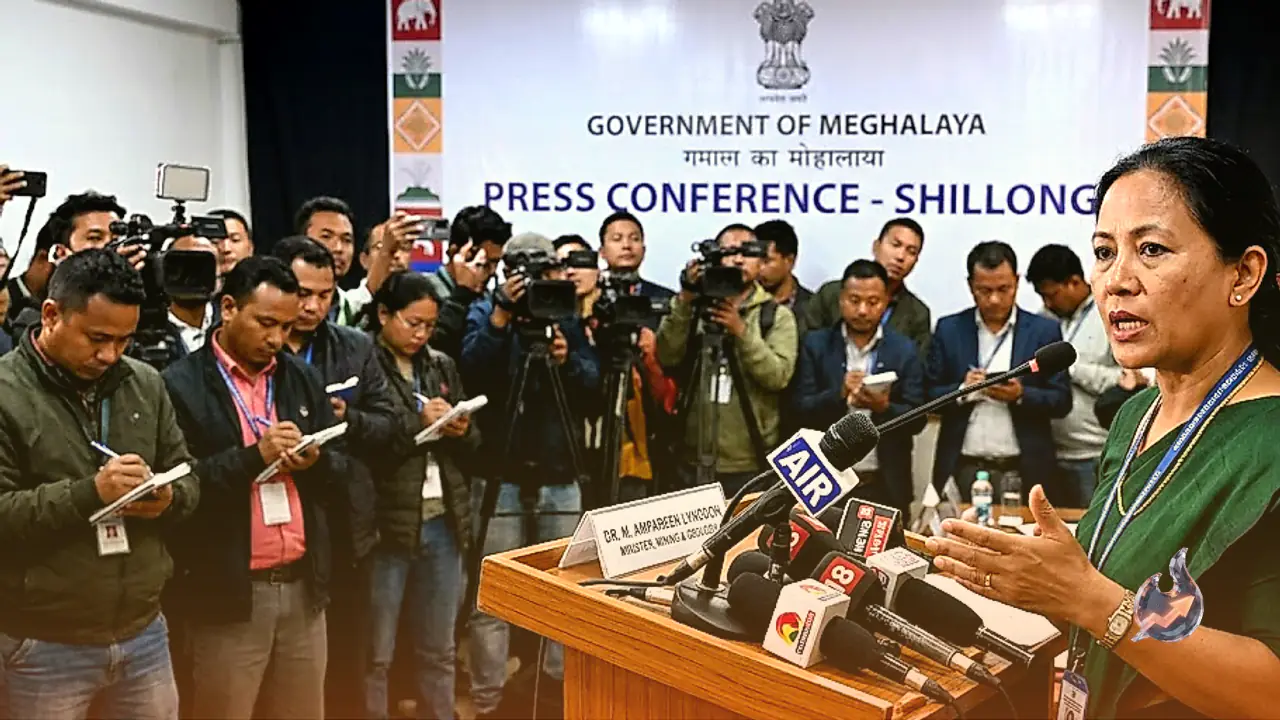





















Financial support from the Central government totaling Rs 17.85 crore has been officially released to Meghalaya to execute two targeted disaster mitigation initiatives. During a discussion on a cut motion concerning disaster mitigation and preparedness in the Meghalaya Legislative Assembly on Wednesday, Revenue and Disaster Management Minister Lahkmen Rymbui confirmed the receipt of these funds and explained that the state government is seeking supplementary budgetary provisions to facilitate their full utilization.
Detailed Allocation for Forest Fire and Lightning Safety
The newly disbursed financial assistance is partitioned between two key environmental safety frameworks. A major portion, amounting to Rs 12.27 crore, has been allocated to the Mitigation Scheme for Forest Fire Risk Management (MSFFRM). Meanwhile, Rs 5.58 crore has been assigned to support the implementation of the Mitigation Project on Lightning Safety (MPLS). Minister Rymbui emphasized to the House that the supplementary demand presented by the state administration does not constitute a request for new project approvals, as both schemes had already received formal approval prior to the release of Central funds.
Targeted Interventions Across Priority Districts
The forest fire mitigation initiative, engineered by the state Forest Department, carries an overall estimated project expenditure of Rs 15.82 crore. This comprehensive framework will focus on four high-priority administrative districts: West Khasi Hills, South West Khasi Hills, Ri-Bhoi, and East Garo Hills. To finance the total project cost beyond Central assistance, the financial model incorporates a state matching contribution of Rs 1.23 crore, along with Rs 2.32 crore earmarked specifically for capacity building and preparedness measures under the State Disaster Response Fund (SDRF). Operations under MSFFRM will center on expanding early warning systems, upgrading risk assessment capabilities, reinforcing preventative measures, and modernizing rapid response mechanisms to safeguard local biodiversity, forest ecosystems, and surrounding rural populations dependent on forest lands.
Strengthening Lightning Warnings and Infrastructure
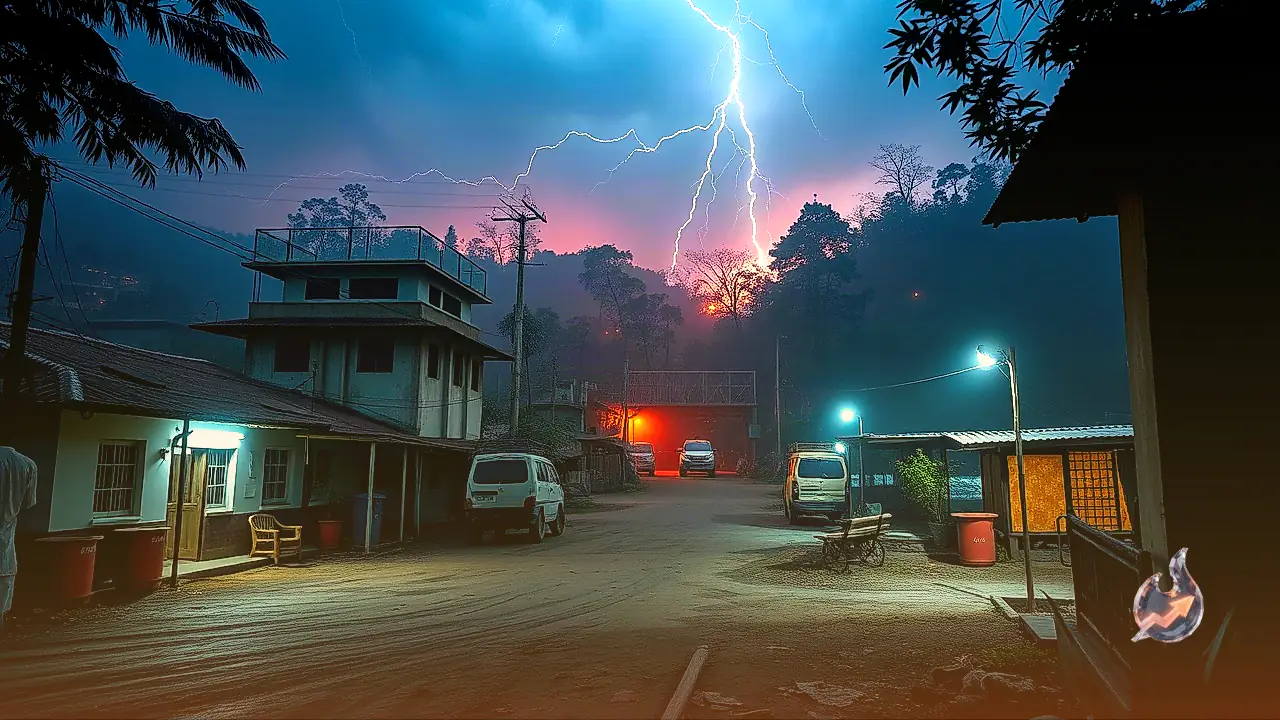
The second key initiative, the Mitigation Project on Lightning Safety, will be managed directly by the Meghalaya State Disaster Management Authority (MSDMA). Carrying an overall project outlay of Rs 6.74 crore, the project was designed following the state government's official notification designating lightning strikes as a recognized disaster event. The primary objective of MPLS is to establish robust community-level awareness and early alert structures, ensuring residents receive timely weather warnings so they can take defensive safety precautions during severe thunderstorm activity.
Supplementary Demands and Long-Term Mitigation Funding
In addition to the allocations for the primary projects, Minister Rymbui outlined further financial requirements, proposing supplementary demands amounting to Rs 2.39 crore for state share obligations, Rs 22 crore for broader projects under the State Disaster Mitigation Fund (SDMF), and Rs 4.32 crore dedicated to ongoing preparedness and capacity building activities. Planned works under the SDMF umbrella include building protective retaining walls, enhancing municipal drainage infrastructure, installing flood forecasting monitoring stations, and carrying out scientific studies on flood-plain zoning. Clarifying the strategic approach, the minister noted that disaster mitigation operates distinctly from post-disaster relief, as mitigation focuses proactively on reducing potential risks and future severity rather than reacting to immediate damages.
Five-Year Outlook Under the 16th Finance Commission
Looking ahead toward long-term disaster management, Meghalaya is slated to receive Rs 97 crore under the State Disaster Mitigation Fund spanning the period between fiscal years 2026-27 and 2030-31 under the recommendations of the 16th Finance Commission. As a mountain state, Meghalaya benefits from the specialized Himalayan funding framework, which guarantees a 90:10 Centre-State contribution ratio for disaster mitigation investments.