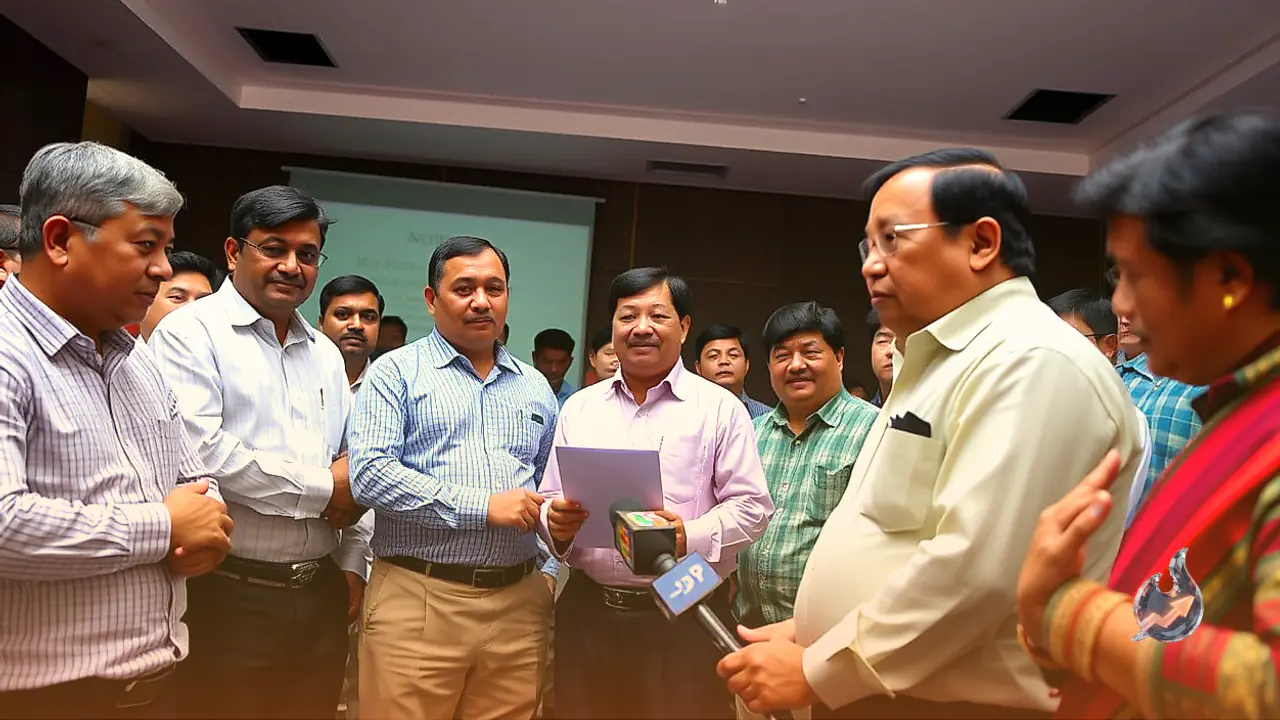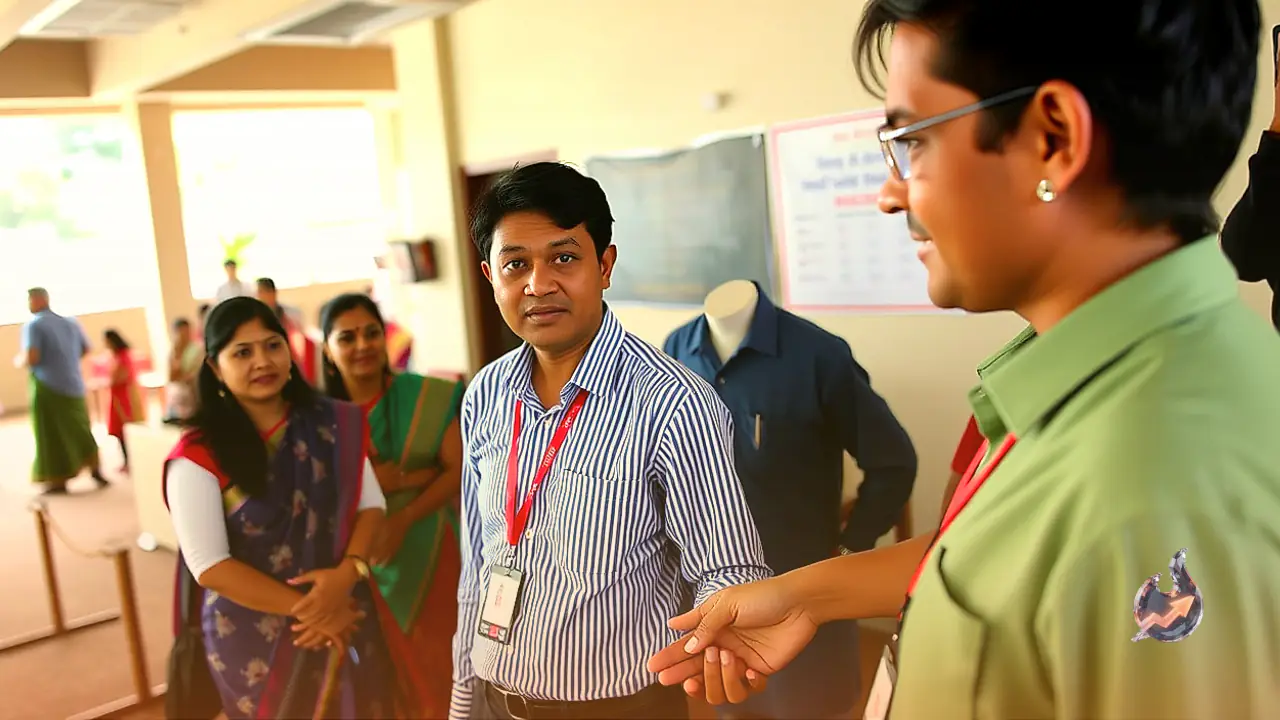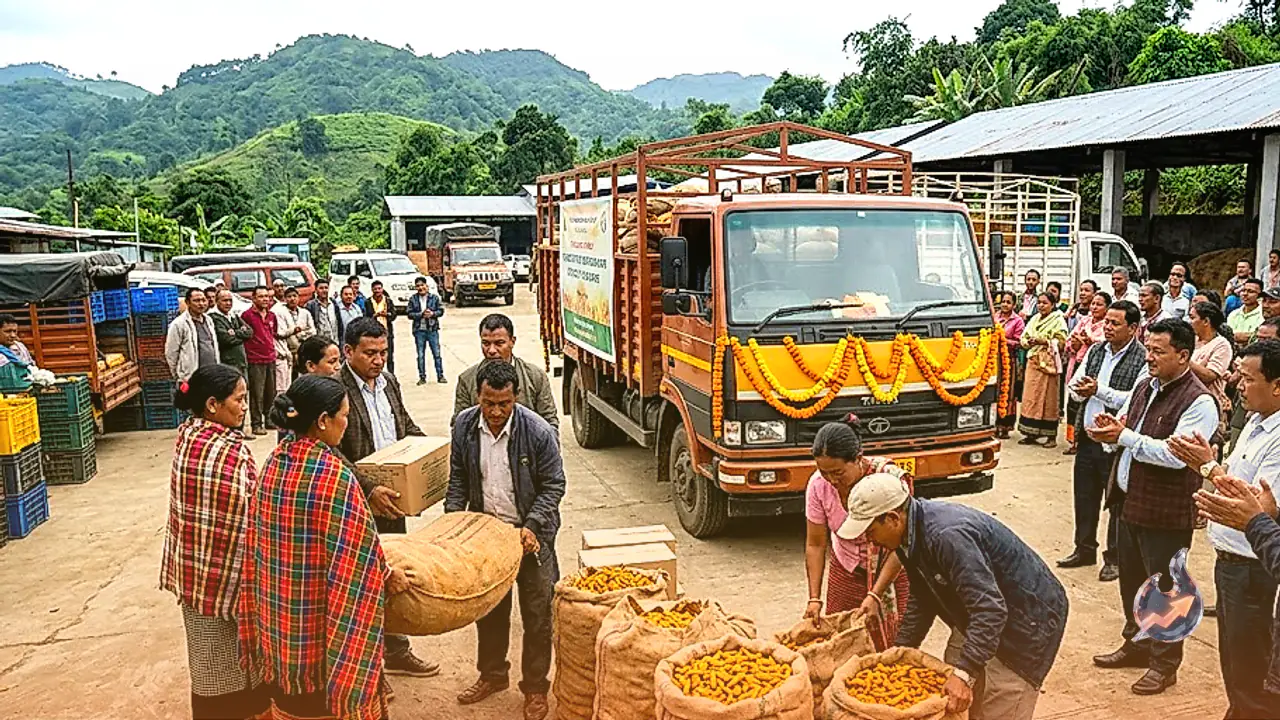

















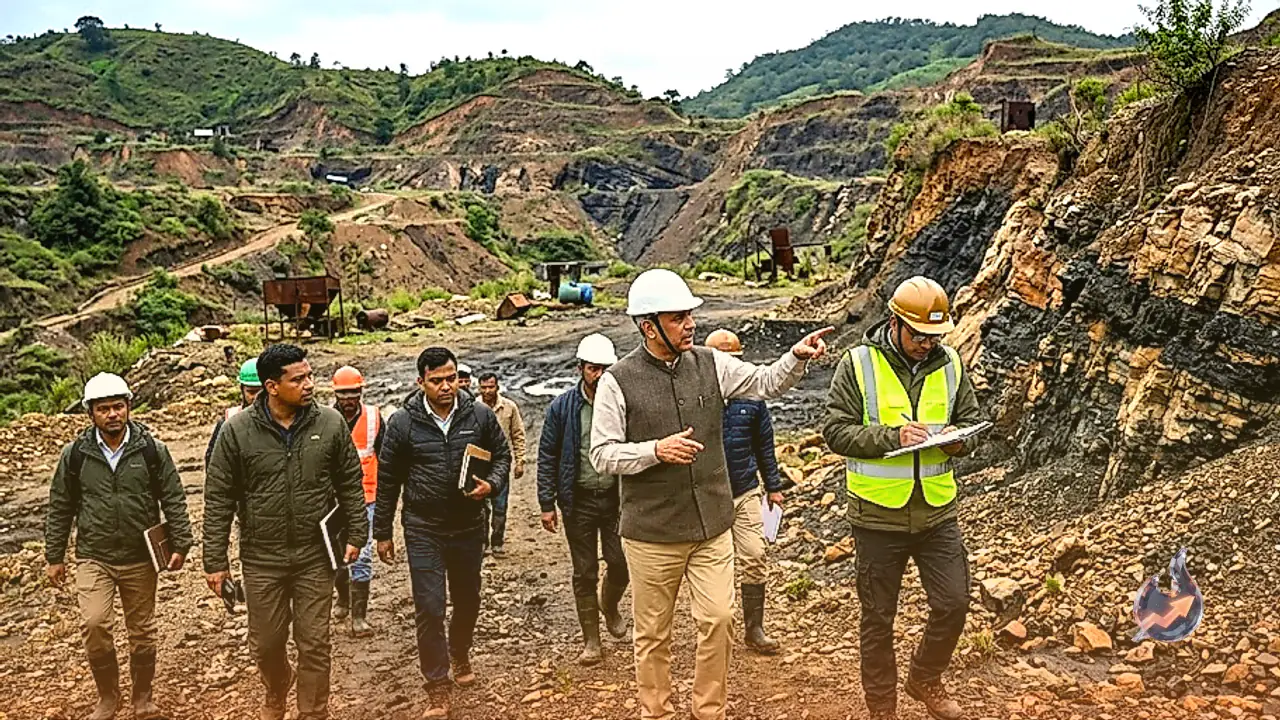

Efforts to legally restart small-scale coal extraction in Meghalaya gathered pace after a specialized technical team from the Union Ministry of Coal conducted on-site inspections across major coal-bearing tracts last week. The delegation focused its field assessments on East Jaintia Hills and Khasi Hills, evaluating field conditions alongside officials from the Meghalaya government's Directorate of Mineral Resources. The central team comprised technical experts and statutory regulators from the Central Mine Planning and Design Institute Limited (CMPDIL) as well as the Directorate General of Mines Safety (DGMS).
The joint field inspection forms part of sustained bilateral engagements between the Meghalaya government and the Union government aimed at working out a compliant framework for small-scale mining. Extraction in the state has remained shut down ever since the National Green Tribunal clamped a blanket ban on unscientific rat-hole mining practices, creating long-standing economic stress across traditional mining belts.
Evaluating Feasibility and Safety Norms
During their ground survey, officials examined local extraction methods that were historically deployed across these terrains. The primary mandate was assessing whether operations could be revived under a modern scientific model that meets environmental sustainability requirements while adhering strictly to statutory safety parameters and relevant mining laws. Because Meghalaya features a distinct land-tenure pattern alongside unique geological strata, conventional large-scale mining templates require careful technical adaptation for small leases.
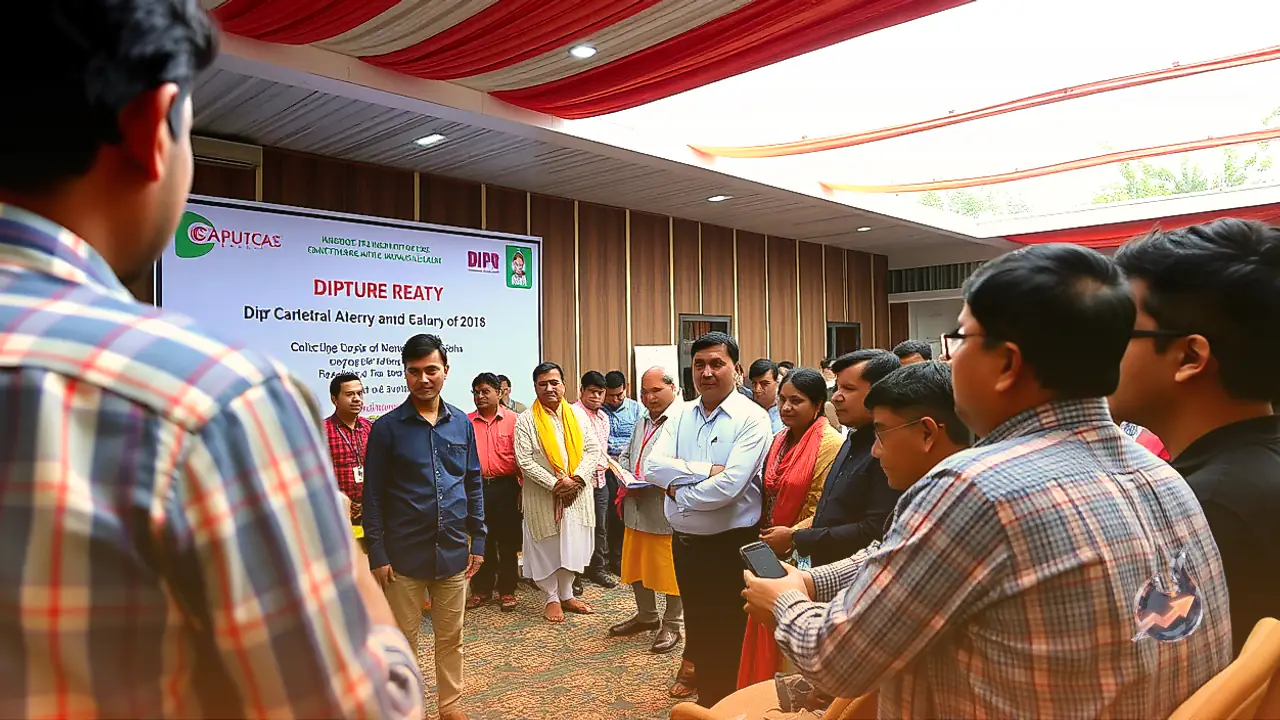
Following the inspection of ground sites, the central delegation convened an official review meeting with senior Meghalaya government functionaries. The session deliberated on the procedural and technical bottlenecks confronting local miners, the rigorous safety protocols required by DGMS, environmental safeguards, and the definitive procedural sequence needed to move the restart proposal forward.
Balancing Regional Livelihoods With Statutory Guardrails
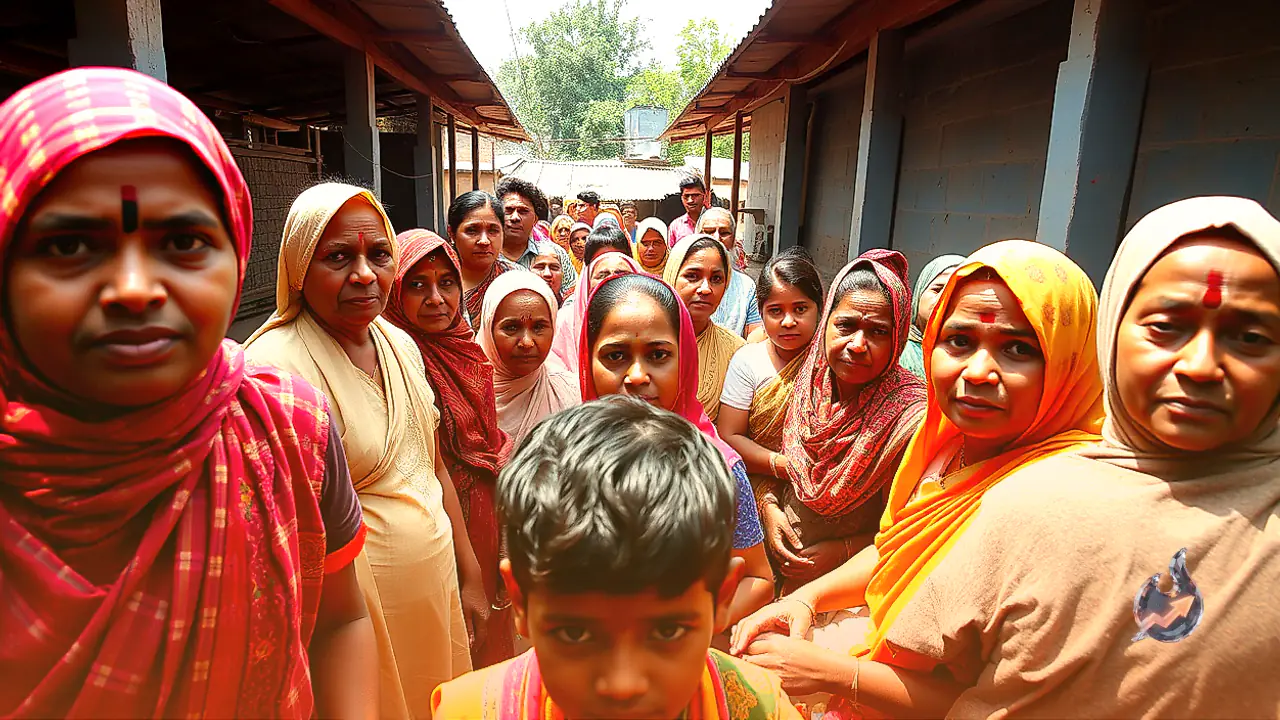
Chief Minister Conrad K. Sangma has been steering administrative efforts to formalize the trade, citing the economic dependency of thousands of local households. Earlier, on 7 July 2026, Sangma traveled to New Delhi to confer directly with Union Minister of Coal and Mines G. Kishan Reddy, highlighting the socio-economic distress faced by families reliant on the extractive trade.
Emphasizing the twin priorities of economic revival and ecological stewardship, Sangma noted that the administration remains determined to explore viable methods to restart mining while maintaining regulatory rigor. “By working together with the Ministry of Coal and local miners, we can develop a framework that ensures sustainable, safe and scientific mining operations,” the Chief Minister stated.
Next Steps in the Regulatory Process
The Meghalaya administration expressed appreciation toward the Ministry of Coal, CMPDIL, and DGMS for extending technical support and conducting the baseline studies. Further field assessments and structured review meetings between state authorities and central regulators are planned over the coming weeks. The Directorate of Mineral Resources will maintain active liaison with Union coal authorities to finalize operational guidelines.