




















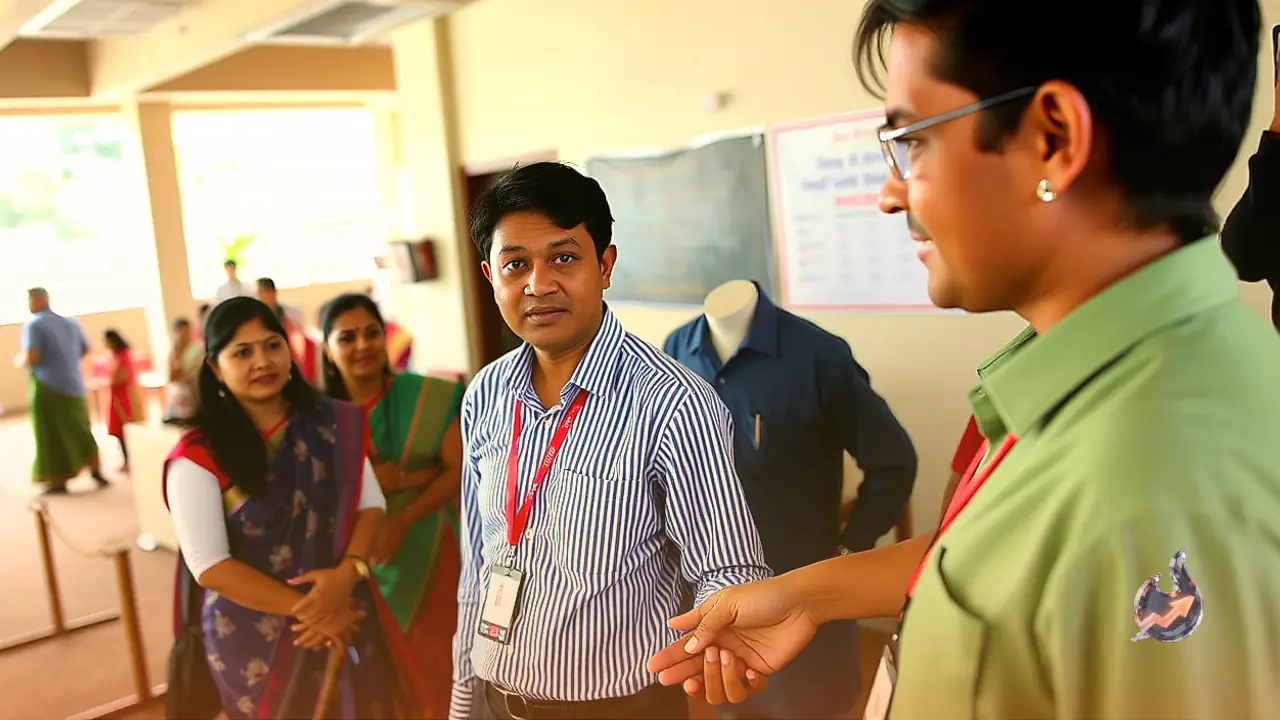

Meghalaya has formalized an agreement with the Bharti Airtel Foundation to upgrade teacher training and professional capabilities across its schools. The strategic collaboration seeks to strengthen everyday instructional standards as the state confronts systemic challenges in deploying the National Education Policy 2020 (NEP) across varied terrains and school systems.
Focus Areas of the Academic Collaboration
Executed on Friday by the state government through its Education Department alongside the Directorate of Educational Research and Training (DERT), the pact aims directly at revitalizing the Meghalaya Teachers Training Academy (MTTA). The shared roadmap focuses on outfitting educators with modern pedagogical techniques, interactive instructional methods, and technological fluency to help them align with changing classroom requirements.
The multi-faceted initiative will support continuous professional learning, technology-integrated curricula, creative classroom methodologies, and institutional capacity-building. Through these measures, the collaboration intends to offer teachers sustained development avenues rather than isolated training workshops.
Implementation Hurdles Facing National Education Policy 2020
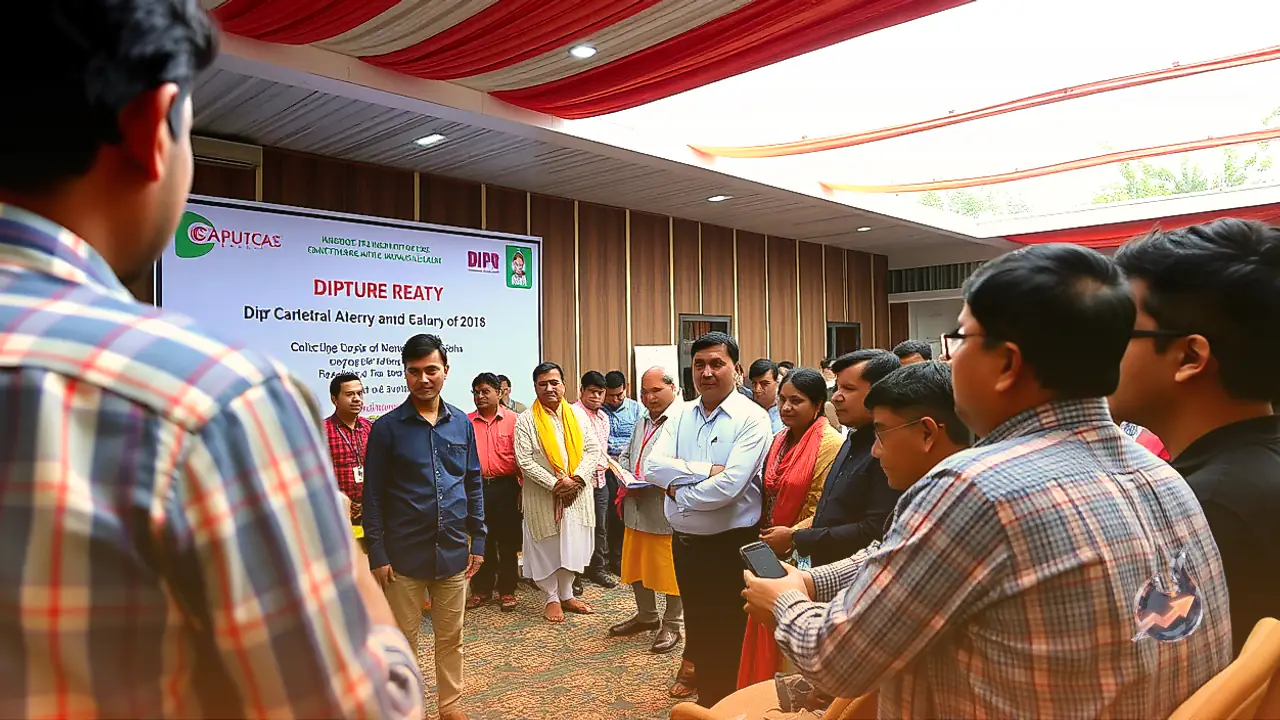
The state faces notable structural hurdles in putting the NEP into practice, including chronic teacher shortages, unequal access to learning infrastructure, uneven educational facilities, and multifaceted linguistic considerations. To examine these ground realities, DERT hosted a state-level seminar in Shillong on Friday titled 'Implementation of the National Education Policy (NEP) 2020: Issues, Challenges and Way Forward'.
Addressing attendees, Education Minister Lahkmen Rymbui underlined the need for practical measures and unified actions to lift educational benchmarks statewide. He highlighted the administrative and logistical barriers to sharing resources across schools operating under contrasting management setups, the widening reliance on commercial private coaching, and the ongoing struggle to seamlessly integrate digital tools into daily classroom instruction.
Linguistic Complexities and Student-Centric Pedagogy
Lahkmen Rymbui drew attention to Meghalaya's deep linguistic diversity, explaining that implementing the three-language curriculum poses distinct complications because teacher availability fluctuates sharply across different instructional languages. He pointed out that teacher development programmes must move beyond theoretical instructions, ensuring that insights gained during training are actively reflected in daily interactions with students.
The minister urged schools to transition toward interactive, learner-centric instruction so students can uncover their individual strengths, pursue creative interests, and acquire real-world capabilities alongside textbook knowledge. Regarding classroom technology, Rymbui noted that clear operational guidelines and suitable digital resources are essential prerequisites for technological tools to yield measurable learning improvements.
Administrative Priorities and Institutional Backing
Commissioner and Secretary of the Education Department Vijay Kumar Mantri reviewed the state's existing strides under the policy, pointing to advancements in foundational education, continuous formative assessments, experiential learning, and competency-based curricula. Mantri noted that the comprehensive and effective rollout of the national policy remains a prime departmental goal.
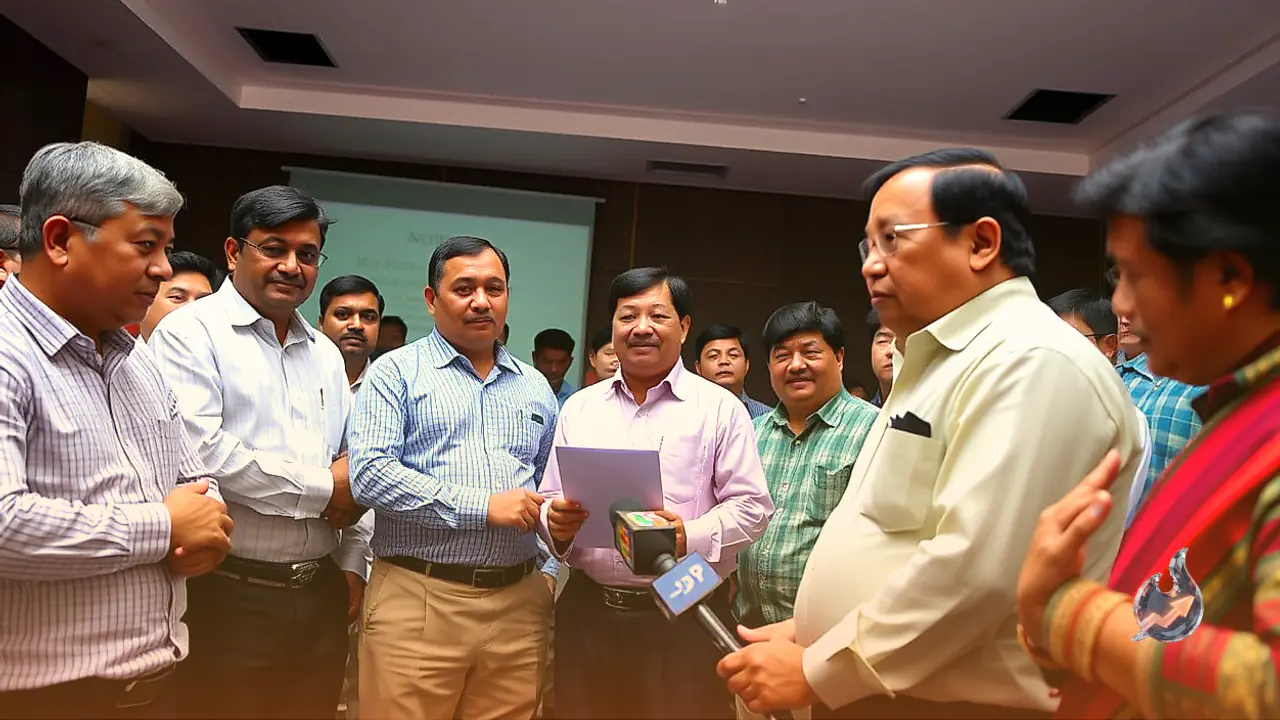
The memorandum of understanding was signed before Lahkmen Rymbui, Vijay Kumar Mantri, DERT Director J. U. Kharpuri, and other senior officials. Bharti Airtel Foundation works extensively across educator training, academic leadership, digital learning solutions, and organizational capacity building. Its alliance with the Meghalaya administration will support the MTTA in delivering reliable, ongoing professional development programs to educators throughout the state.