
















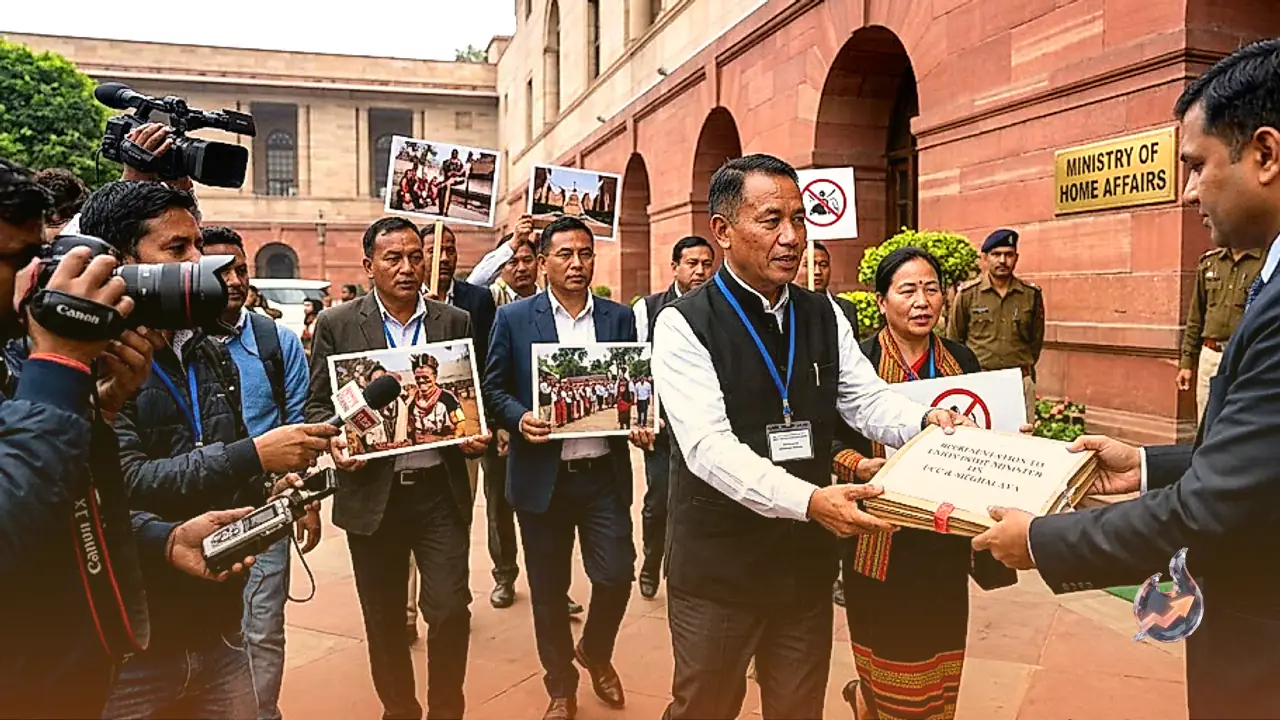

The Confederation of Meghalaya Social Organisations (CoMSO) has formally asked the central government to clarify whether Meghalaya will be included in the implementation of the proposed Uniform Civil Code across NDA-governed states. The group has also stressed the urgent need for comprehensive consultations involving the state’s Autonomous District Councils and indigenous populations.
Representation Submitted to Amit Shah
In a formal representation submitted to Union Home Minister Amit Shah on September 15, the organisation asserted that any policy measures regarding the Uniform Civil Code must thoroughly respect Meghalaya’s unique constitutional framework, specifically pointing to Article 244(2) and the Sixth Schedule.
Appeals Made to the Chief Minister
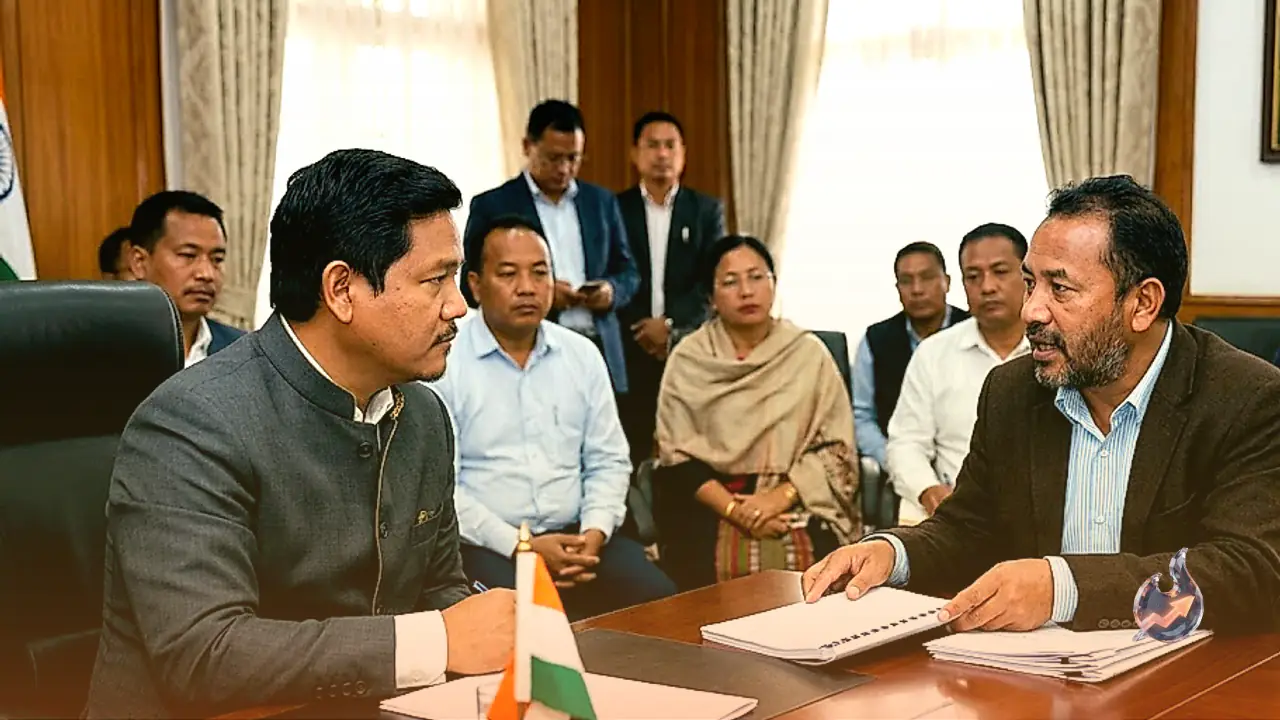
The collective has likewise forwarded its representation to Chief Minister Conrad K Sangma, urging the state administration to present these apprehensions directly to the Centre. It also asked the state to initiate immediate dialogue with the three Autonomous District Councils and traditional community institutions to safeguard local interests.
Triggered by Recent Ministerial Statements
This development follows a public statement made by Amit Shah on September 13, wherein he expressed confidence that the Uniform Civil Code would be enforced across all 21 states under the leadership of the BJP-led NDA before the year 2029. This announcement sparked immediate anxiety among indigenous communities throughout Meghalaya.
Focus on Constitutional Protections
CoMSO emphasized that Meghalaya’s distinct constitutional architecture grants its Autonomous District Councils significant legislative authority over various dimensions of customary life. The Sixth Schedule explicitly designates matters such as property inheritance, marriage, divorce, and social customs as domains where these district bodies hold rule-making powers.
Addressing the Question of District Council Powers
The organisation argued that any attempt to enforce a uniform personal law system upon Meghalaya must first address fundamental constitutional inquiries concerning the integrity and powers of the Autonomous District Councils. CoMSO maintained that uniformity and true equality should not be treated as identical concepts.
Significance of Paragraph 12A
Furthermore, the group highlighted Paragraph 12A of the Sixth Schedule, which governs the enforcement of parliamentary acts and state legislation within Meghalaya’s autonomous districts and regions. Under this specific provision, the President possesses the authority to issue notifications exempting an autonomous region from parliamentary laws or applying them with specific modifications.
Matrilineal Systems and Customary Laws
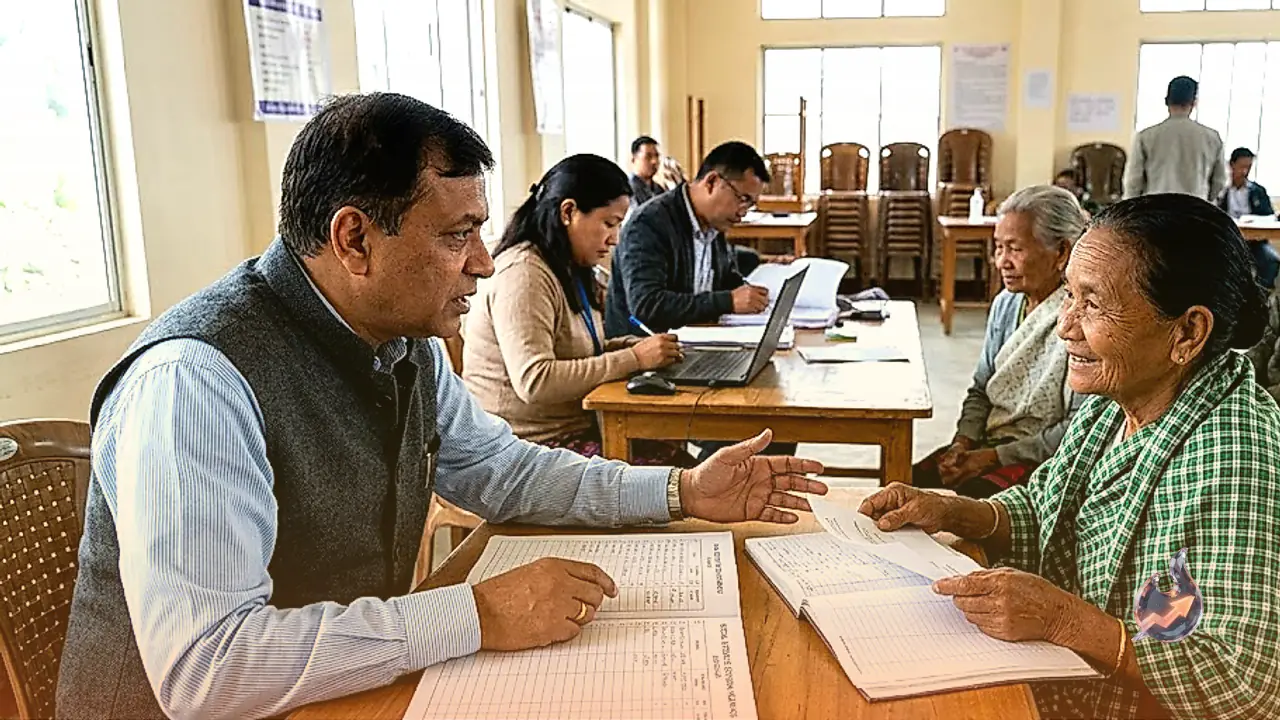
The representation also underscored the distinct customary traditions of Meghalaya's Khasi, Jaintia, and Garo communities, alongside the state's prevalent matrilineal social structure. These cultural arrangements carry profound implications for family lineage, marriage, succession, and the handling of ancestral property.
Demands for Broad-Based Stakeholder Dialogue
CoMSO has advocated for wide-ranging consultations involving the Khasi Hills, Jaintia Hills, and Garo Hills Autonomous District Councils, the state government, traditional village institutions, Dorbar Shnong, and other key stakeholders before any rollout of the code in the region. It also requested the establishment of a specialized Meghalaya Constitutional and Customary Law Review Committee.
Final Stand and Leadership Signatures
Concluding its appeal, the organisation stated that Meghalaya cannot simply be treated as a standard state regarding personal law reforms, urging the Centre to halt unilateral moves until these constitutional concerns are thoroughly evaluated. The representation was officially endorsed by CoMSO chairman Roy Kupar Synrem and general secretary Balkarin Ch Marak.