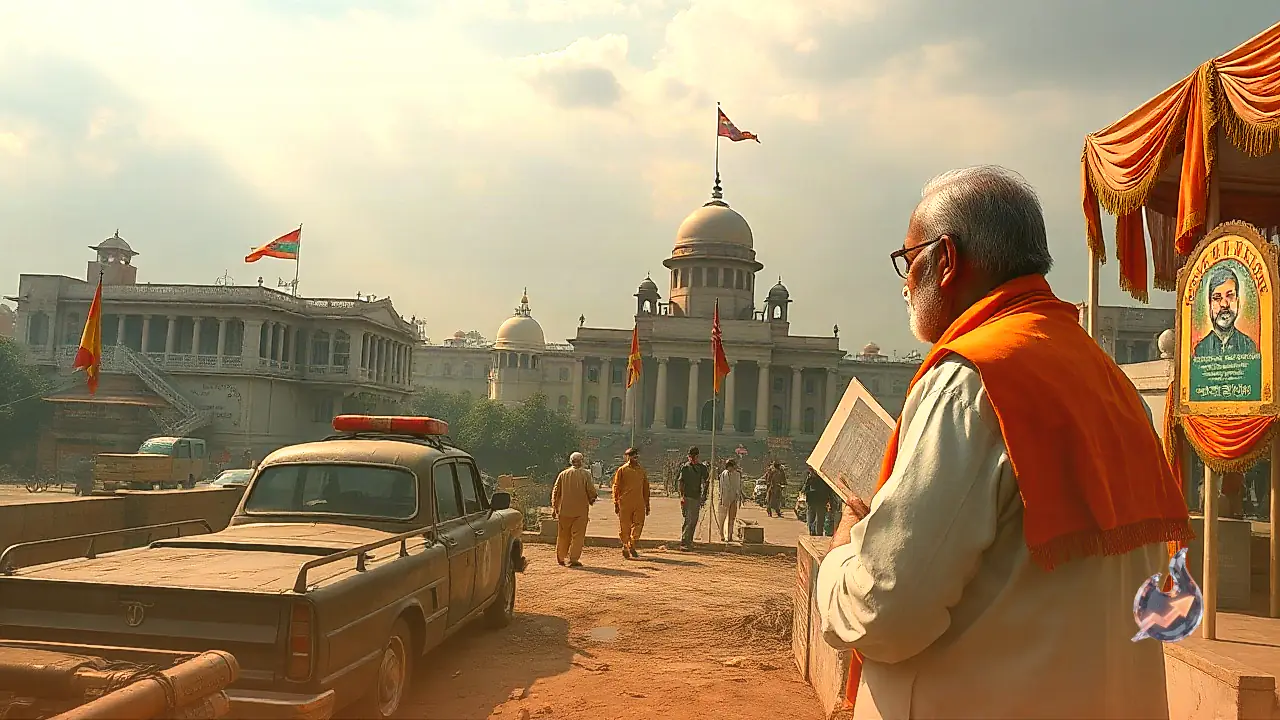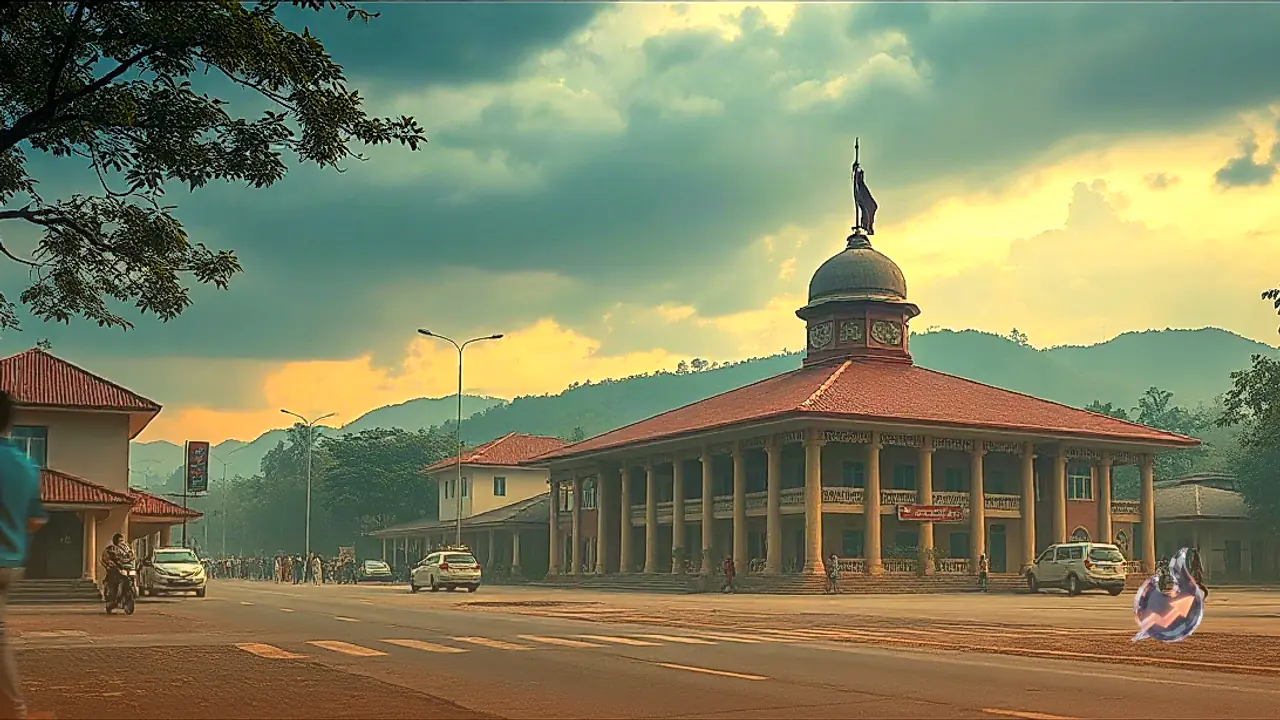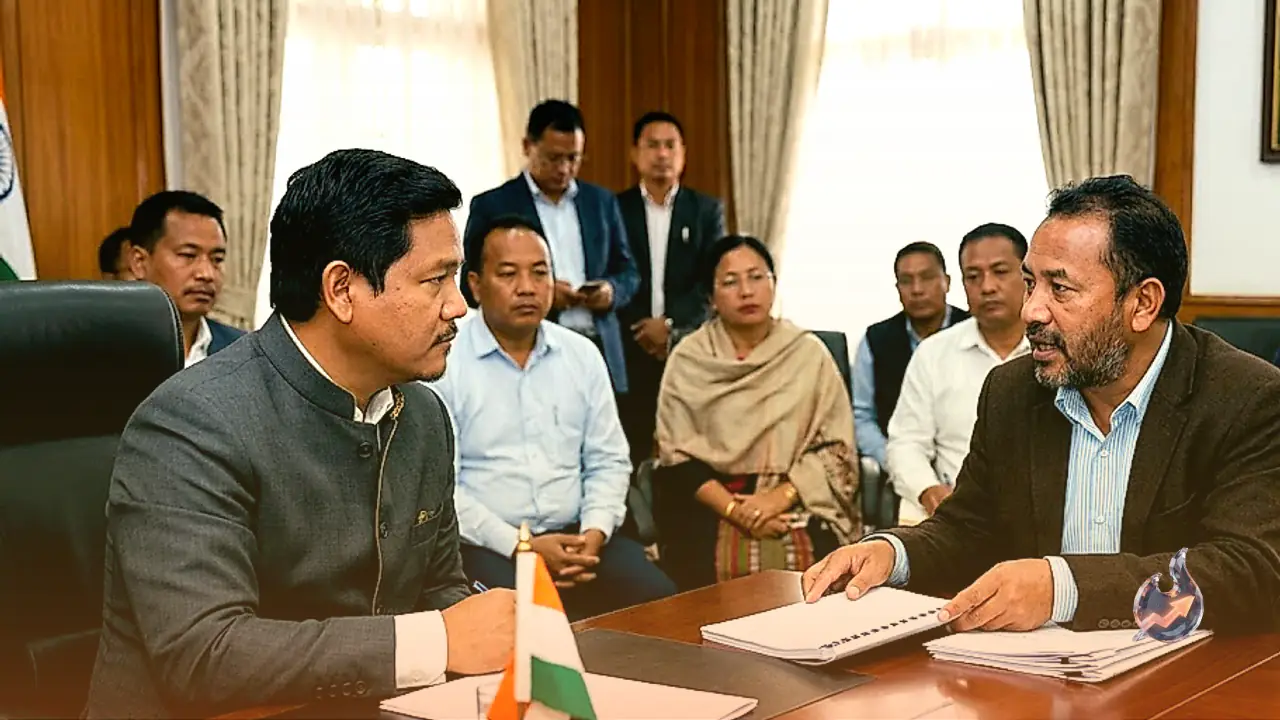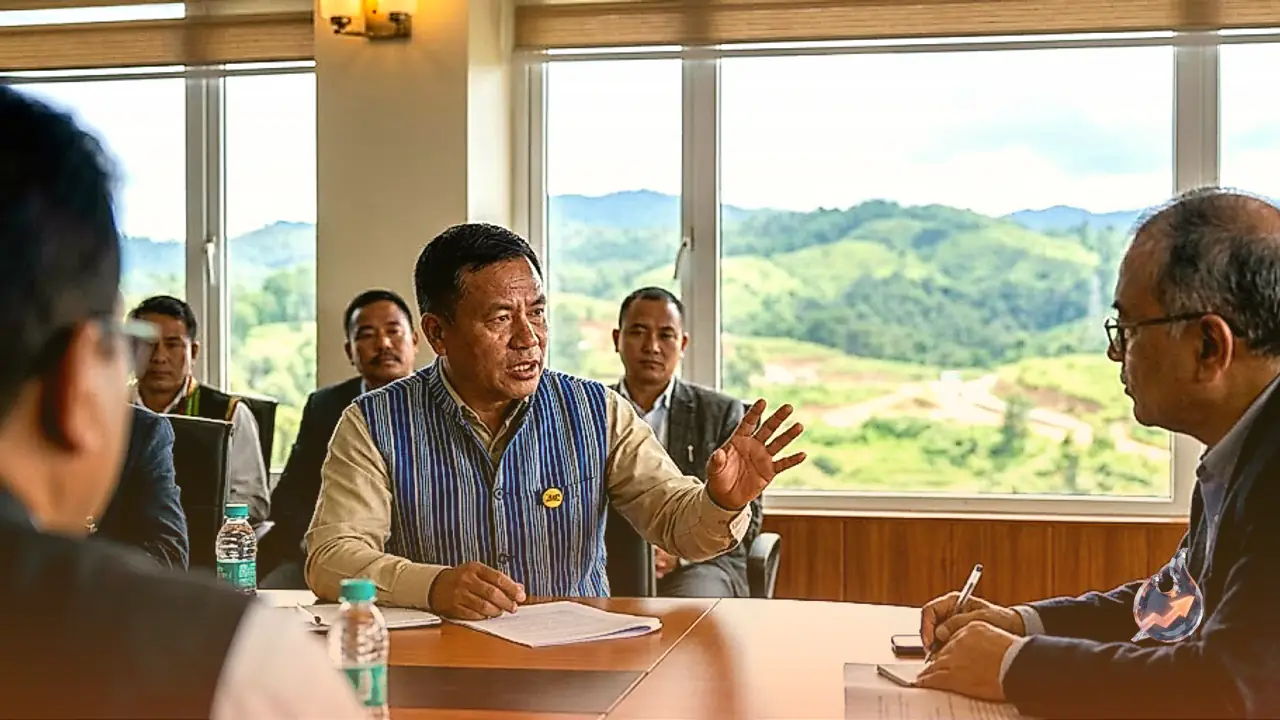




















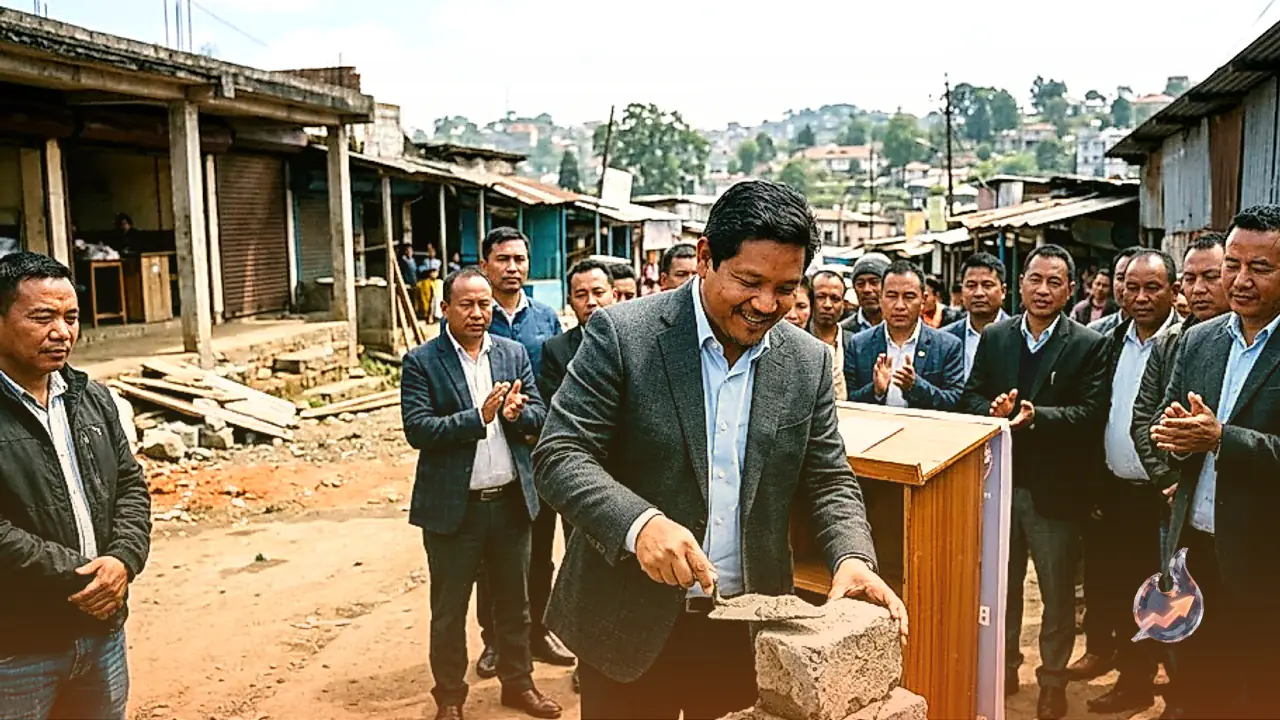

On Wednesday, a landmark urban transformation initiative officially commenced in Shillong as Meghalaya Chief Minister Conrad K Sangma laid the foundation stone for the extensive redevelopment of the historic Malki Market. With an estimated project budget of Rs 24.27 crore, this development highlights the state government's ongoing efforts to modernize and elevate market facilities across the capital. The formal foundation ceremony took place at the Malki Ground, drawing a large gathering of local stakeholders, administrative officials, and community leaders. Joining the Chief Minister on stage was local MLA Dr M Ampareen Lyngdoh, who has been closely associated with constituency-level developmental activities.
Revitalizing Local Commerce and Economic Spaces
The redevelopment of Malki Market is not a standalone effort but a core part of a wider state-funded plan designed to uplift the socio-economic conditions of urban traders and vendors. Speaking during the foundational event, Chief Minister Sangma emphasized that investing in high-quality market infrastructure is critical to stimulating robust economic activities in the region. By creating structured, hygienic, and highly organized trading environments, the state hopes to establish sustainable livelihood opportunities for local families. The Malki Market project stands out as one of the single largest financial allocations made by the state government for an individual market complex, a move that is expected to transform the locality and its neighboring areas into a premier commercial hub.
A Broad Network of State-Funded Urban Projects
To place the Malki Market initiative in context, this project is part of a larger, comprehensive package of urban development works financed directly through the State Budget. The state administration has reserved approximately Rs 130 crore specifically for upgrading markets and municipal infrastructure across various sectors of Shillong. Parallel to these state-funded actions, an additional investment exceeding Rs 100 crore is currently being utilized for various infrastructure upgrades in and around the city limits under the Smart City initiative.
The breakdown of the state-funded market projects reveals a highly distributed investment strategy
- The Laitumkhrah Shopping Complex is being constructed with an outlay of Rs 38 crore.
- The Laban Market project receives an allocation of Rs 14 crore.
- The Lumshyiap infrastructure is being developed at a cost of Rs 2 crore.
- The Polo Development project is allocated Rs 30 crore to revitalize that vital zone.
- Specialized street vendor markets in key areas, including Dhankheti, Barik, Brightwell Road, Motphran, and Polo, are receiving a joint funding of Rs 6 crore.
- The historic Iewduh market area is being redeveloped with a budget of Rs 14 crore.
- The Malki Market itself is being rebuilt with a dedicated budget of Rs 24.27 crore.
These substantial financial commitments illustrate a coordinated drive to decongest traditional trading hubs and provide modern, safe spaces for both buyers and sellers.
Decongestion and the Strategic Shift of the Secretariat
The physical transformation of Shillong extends far beyond market structures. Chief Minister Sangma detailed several ongoing projects aimed at easing traffic flow and improving the city's general habitability. Major work has already started at Barik Point to construct a modern urban hub, and plans are in advanced stages to build a spacious four-lane highway connecting Yojana Bhawan with key locations like Anjalee Point, Rhino Point, and the Civil Hospital.
A crucial part of this decongestion plan relies on moving the state's administrative center. Construction on the New Secretariat located at Umsawli has progressed significantly, with approximately 75 percent of the civil work already completed. The state government expects to fully transition its administrative operations to the Umsawli complex next year. Once this relocation is complete, the valuable space currently occupied by the existing Secretariat in the city center will undergo a green makeover. The old Secretariat area is proposed to be redeveloped into an open urban space featuring widened roads, dedicated pedestrian walkways, and lush green areas. According to Sangma, these interconnected projects are poised to bring a dramatic, positive aesthetic and functional change to Malki and its surrounding areas over the next two to three years.
Balancing Economic Growth with Ecological Integrity
Reflecting on the development philosophy of the government over the past eight years, the Chief Minister pointed out that economic growth must directly translate into micro-level benefits that positively affect individual households, families, and larger community structures. He insisted that true urban development cannot happen in isolation and must be carried out in close partnership with local traditional institutions, traditional heads, and community leaders.
In a statement on his administrative vision, Sangma wrote on X about how the revamped market will foster an organized space. He further reiterated during his speech that ecology and economy must move together, stressing that physical modernization should never come at the expense of Shillong's unique natural environment.
To ensure that public funds are utilized efficiently, Sangma directed the Urban Affairs Department and the private contractors handling the Malki project to strictly adhere to premium quality standards and ensure completion within the promised timeline. He also made a special appeal to the Rangbah Shnongs (traditional village headmen) and other community representatives to closely monitor the ongoing construction, urging them to act as an active social audit mechanism to prevent delays and corruption.
Relocating Vendors and Enhancing the Tourism Appeal
The Chief Minister expressed deep gratitude to the street vendors, hawkers, and other local stakeholders for their patience and cooperation during the temporary relocation phase. He noted that the newly designed vending zones will not only resolve immediate spatial conflicts but will also introduce crucial basic services, including public toilets, sanitation facilities, and structured stalls.
The ultimate vision for these modern vending zones is to merge commerce with urban beautification and cultural activities. The administration plans to make these public spaces highly inviting to both local residents and tourists by focusing on hygiene and aesthetic appeal. Part of this plan involves hosting live musical events under the Chief Minister’s Meghalaya Grassroots Music Project (CM-MGMP), turning standard marketplaces into lively cultural spots that showcase local talent.
Advocating for Northeast Interests in National Policy
Shifting his focus to national legislative matters, Sangma shared a significant update regarding Meghalaya's political representation in New Delhi. He announced that Meghalaya’s Rajya Sabha MP has been invited as a Special Invitee to join the Joint Parliamentary Committee that is currently evaluating potential amendments to the FCRA regulations.
The committee’s inaugural meeting is scheduled to take place on September 18. Sangma emphasized that this position will allow the representative to voice the specific concerns and structural realities of communities across Meghalaya and the broader Northeast region. The primary objective is to ensure that the vital social work, community development, and charitable contributions carried out by local organizations in the region are not negatively impacted by the proposed legislative changes.
The foundational ceremony concluded with a reiteration of the government's long-term commitment to investing in sports infrastructure, pedestrian walkways, aesthetic beautification, and comprehensive market complexes, with officials from the Urban Affairs Department, Shillong Municipal Board, Rangbah Shnongs, Dorbar Shnong members, and traditional heads pledging their collective support.