



















Meghalaya is charting an ambitious path to integrate its distinctive farming output, traditional crafts and regional manufactured goods into major global supply chains by leveraging India's expanding network of free trade agreements. The northeastern state is actively preparing its grassroots producers, micro-enterprises and artisan clusters to meet international export benchmarks and secure direct connections with foreign purchasing networks. The broader initiative aims to transform the landlocked state into a vibrant participant in cross-border commerce.
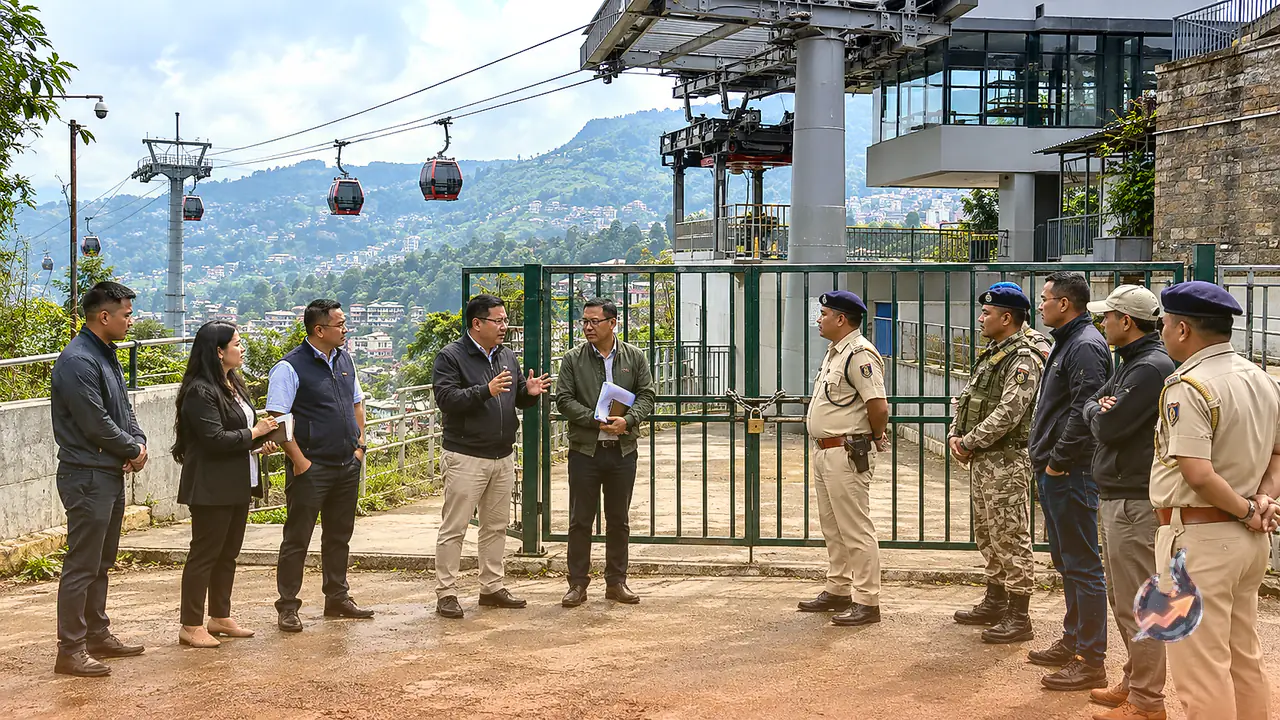
To establish an actionable framework for this outreach, a comprehensive consultative workshop took place in Shillong. The session was conducted through a joint collaboration involving the Union Department of Commerce, the Meghalaya Commerce and Industries Department, and the Directorate General of Foreign Trade. Discussions centred on mapping regional competencies, resolving logistical bottlenecks, and simplifying compliance mechanisms for rural entrepreneurs.
Untapped Export Wealth in Horticulture and Crafts
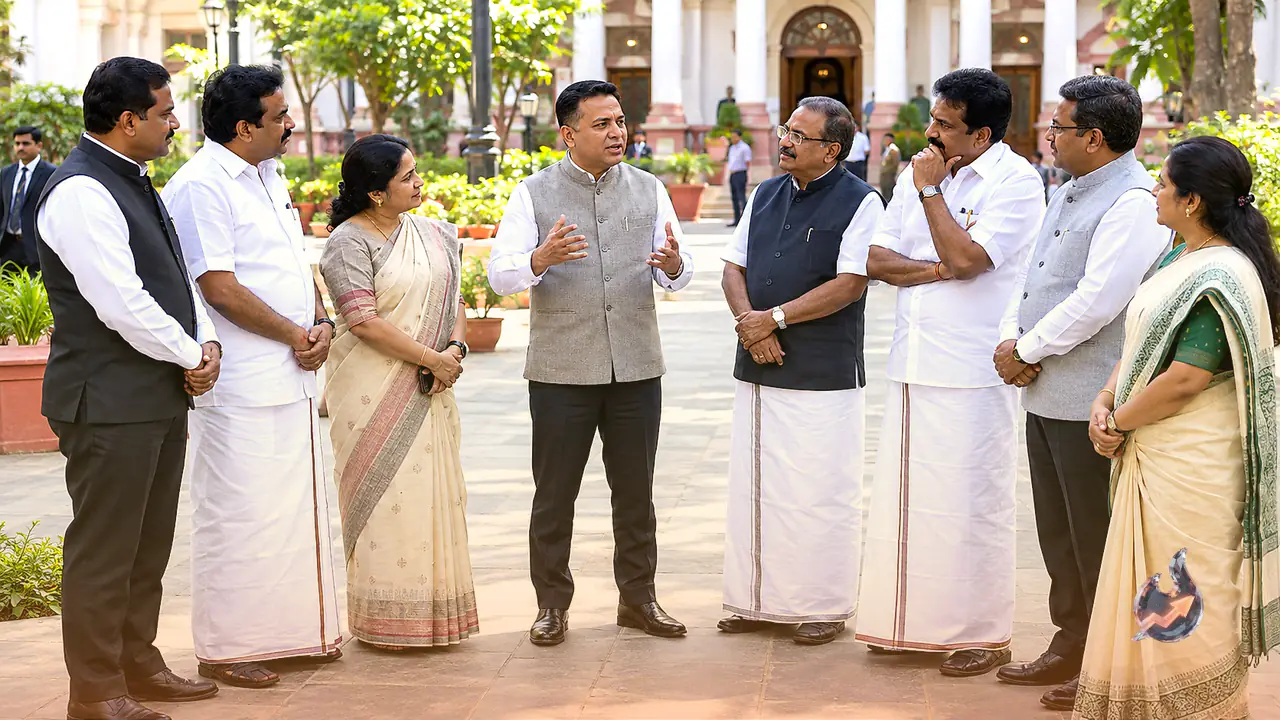
Addressing the gathering, Deputy Chief Minister and Commerce and Industries Minister Sniawbhalang Dhar emphasized that institutional trade pacts must translate into concrete gains for rural livelihoods. Outlining the government's core focus, he stated, "The government wanted farmers, artisans, entrepreneurs and young people to benefit from opportunities created by India’s trade agreements." He highlighted that the state possesses significant competitive advantages in specialty horticulture, aromatic spices, premium ginger, indigenous turmeric, high-grade pineapple, honey, bamboo products, hand-woven fabrics and diverse artisanal handicrafts.
Dhar noted that preferential arrangements concluded with key economies, including Australia, the United Arab Emirates, the United Kingdom, Oman, New Zealand and the European Union, unlock access to markets that collectively generate around USD 26.8 trillion in gross domestic product and absorb approximately USD 8.2 trillion in global merchandise shipments. Capitalizing on these lucrative corridors requires local producers to scale their operations, enhance grading standards and adapt packaging to meet foreign customer expectations.
Formalisation Drive and Financial Assistance Mechanisms
A critical initial step involves bringing informal local enterprises into the institutional trade environment. The Deputy Chief Minister urged grassroots entrepreneurs to complete their Udyam documentation and secure an Importer Exporter Code promptly, as these credentials are prerequisite for accessing official export incentives and fiscal relief.
A central pillar supporting this ambition is the Union Government's Export Promotion Mission, which secured formal approval in November 2025 with a budgetary provision of ₹25,060 crore extending until 2030-31. The initiative operates across two primary verticals: Niryat Protsahan, which delivers trade finance mechanisms, and Niryat Disha, which focuses on non-financial operational guidance and overseas market penetration. In parallel, local exporters can access freight support through the LIFT programme and receive assistance to participate in global trade expositions and business-to-business networking conferences.
Border Infrastructure and Strategic Trade Gateways
Meghalaya enjoys a distinct geographical advantage due to its extensive frontier with Bangladesh. The Dawki land port already functions as a key nexus for bilateral vehicular movement, anchored by the operational Integrated Check Post located at Dawki-Tamabil alongside designated Land Customs Stations across the border.
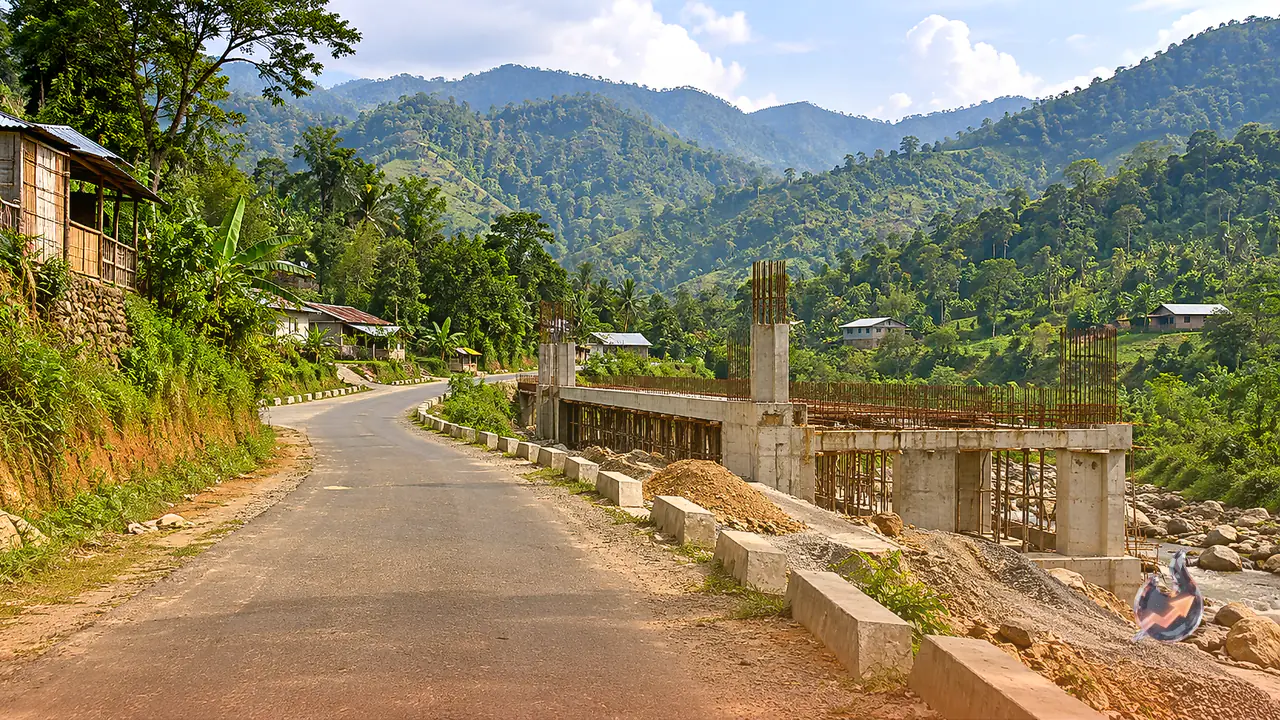
To widen transit capacity, the state administration has submitted proposals to establish a modern Land Customs Station at Umkiang, situated in East Jaintia Hills. Concurrently, modernization plans aim to upgrade existing border posts at Bagli, Borsora, Bholaganj, Mahendraganj and Dalu into comprehensive Integrated Check Posts. Dhar also pressed the Union Government to expedite the operational revival of five designated border haats along the international boundary, alongside commissioning the fully constructed border trading post at Huroi in East Jaintia Hills.
Commercial Engagements and Strategic Linkages
Recent trade interactions demonstrate growing international interest in the state's offerings. The Reverse Buyer Seller Meet 2.0, conducted on October 8 and 9, 2026, brought together 30 commercial buyers representing 16 foreign nations alongside two domestic purchasing entities. They engaged directly with 400 regional enterprises and micro, small and medium enterprises drawn from all 12 administrative districts of Meghalaya, resulting in the signing of more than 100 memoranda of understanding, with contract talks currently progressing.
Kapil Chaudhary, Joint Secretary in the Union Department of Commerce, observed that India has concluded roughly seven free trade pacts over the preceding five years, unlocking access to trading partners that make up upwards of 75% of worldwide gross domestic product. Emphasizing the operational shifts required, she stated, "Meghalaya needed to identify products with export potential, improve export mapping and strengthen international logistics to translate trade agreements into measurable economic gains."
With Meghalaya's current export volume estimated at USD 77 million, Chaudhary urged stakeholders to build integrated transport corridors and capture consignments that currently get recorded through ports located outside the state. She drew attention to 11 critical focus areas established within the Export Promotion Mission, including freight subventions, market analysis, and foreign storage facilities. Further reinforcing this strategy, Cyril V. D. Diengdoh, Commissioner and Secretary of the Meghalaya Commerce and Industries Department, stressed the necessity of tight institutional coordination uniting central authorities, district administrators, credit agencies, export councils and Indian foreign missions to clear procedural hurdles. The outreach concluded with plans to translate these recommendations into an actionable state policy followed by targeted district workshops.