


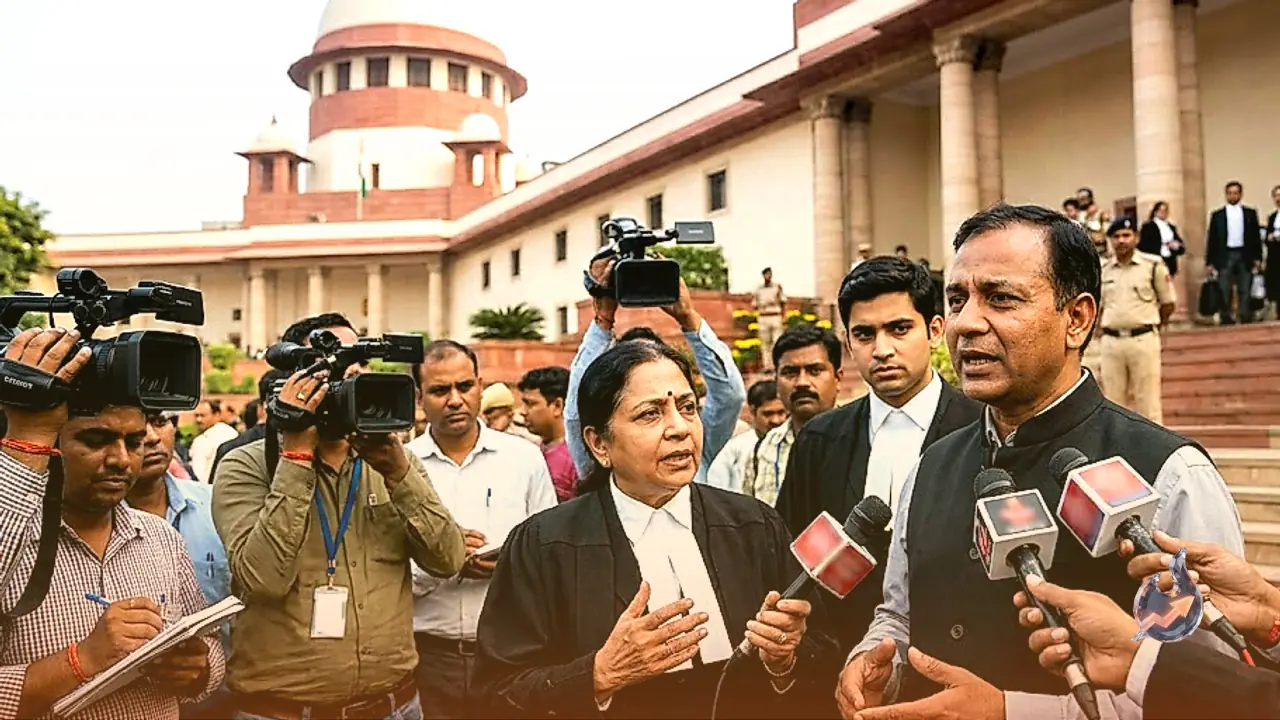














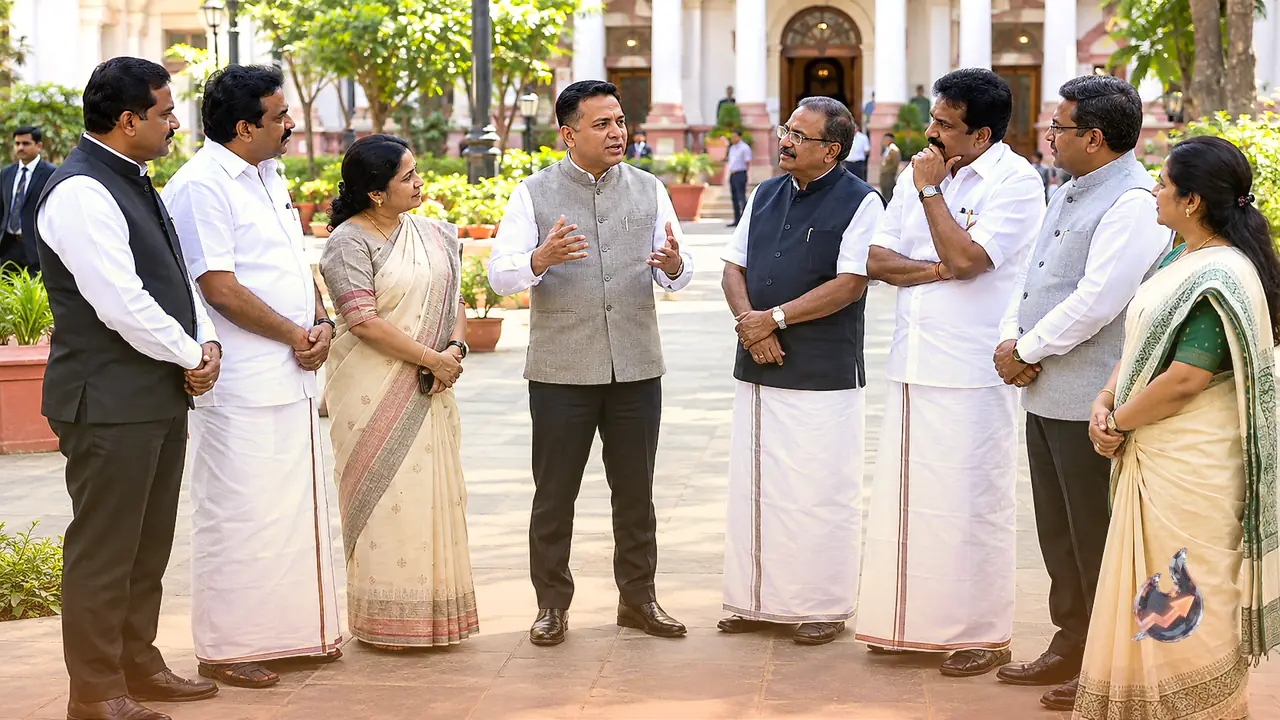

Public leadership should be judged strictly by the concrete difference it makes in the lives of ordinary citizens rather than the titles or offices people occupy. Meghalaya Legislative Assembly Deputy Chief Whip Ronnie V Lyngdoh delivered this message during the valedictory session of the two-day Legislators' Leadership Programme held in Mahabalipuram near Chennai. Serving as the chief guest at the concluding gathering on October 28, Lyngdoh called on elected representatives across states to adopt a more responsive and results-driven standard of governance.
Joint Legislative Forum and Core Discussions
The leadership initiative was organised jointly by the Office of the Speaker of the Tamil Nadu Legislative Assembly alongside the Meghalaya Legislative Research Forum. Bringing lawmakers together on a shared platform, the summit featured expert-guided discussions focused on foundational legislative duties and contemporary administrative challenges. Sessions during the event covered constitutional principles, legislative responsibilities, public healthcare systems, environmental governance, digital administration, and developmental policymaking. Lyngdoh advocated for closer, sustained cooperation between Meghalaya and Tamil Nadu, noting that exchanging practical governance insights and development frameworks creates valuable mutual learning for both administrations.
Delivering Measurable Outcomes in Essential Sectors
Addressing the responsibilities of public representatives, Lyngdoh urged legislators to maintain direct sensitivity to public grievances and work toward measurable progress on the ground. He underlined that legislative efforts must translate into noticeable upgrades in basic public services, foundational healthcare delivery, quality education, and employment generation. According to him, continuous public engagement and accountability in core sectors remain the benchmark of meaningful representation.
Showcasing Indigenous Ecological Heritage
The summit also provided a venue to spotlight regional ecological wisdom and cultural identity. During the programme, Lyngdoh unveiled a live model inspired by the renowned living root bridges of Meghalaya. This display highlighted the state's indigenous ecological practices and cultural heritage, illustrating how traditional environmental wisdom can exist alongside modern policy and development frameworks. The presentation demonstrated that regional conservation practices remain deeply relevant in crafting sustainable, long-term governance strategies.