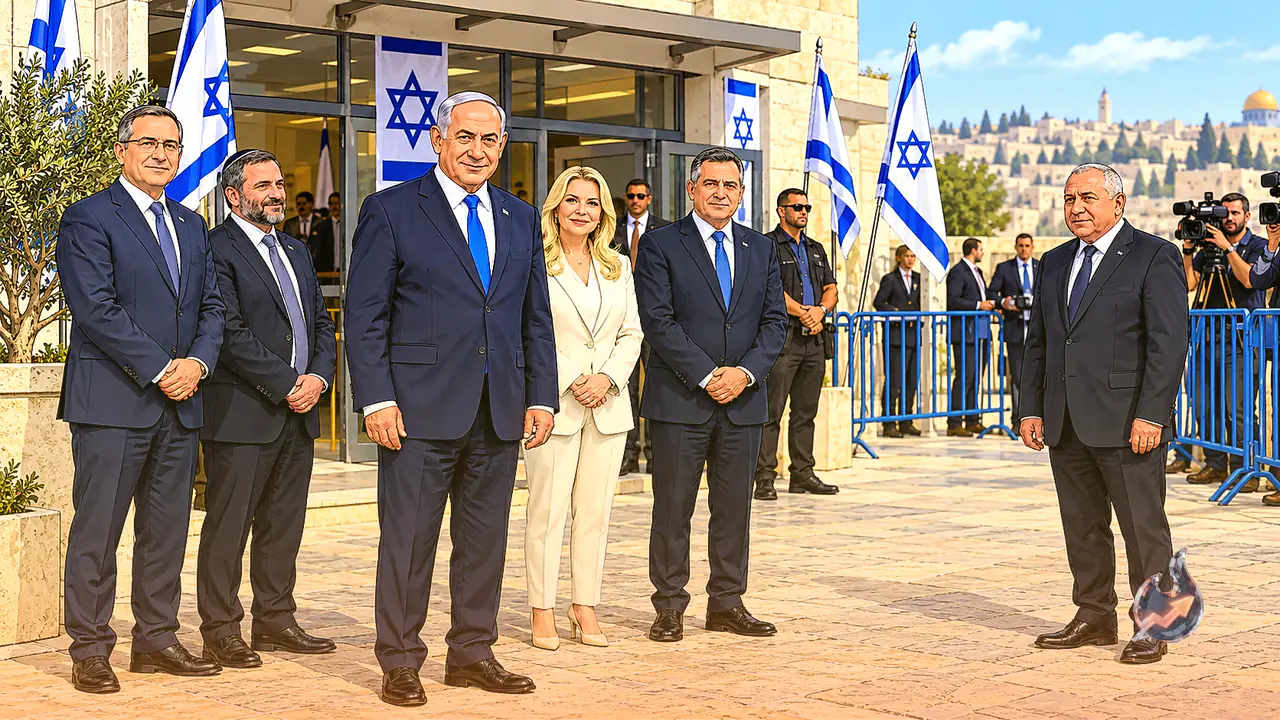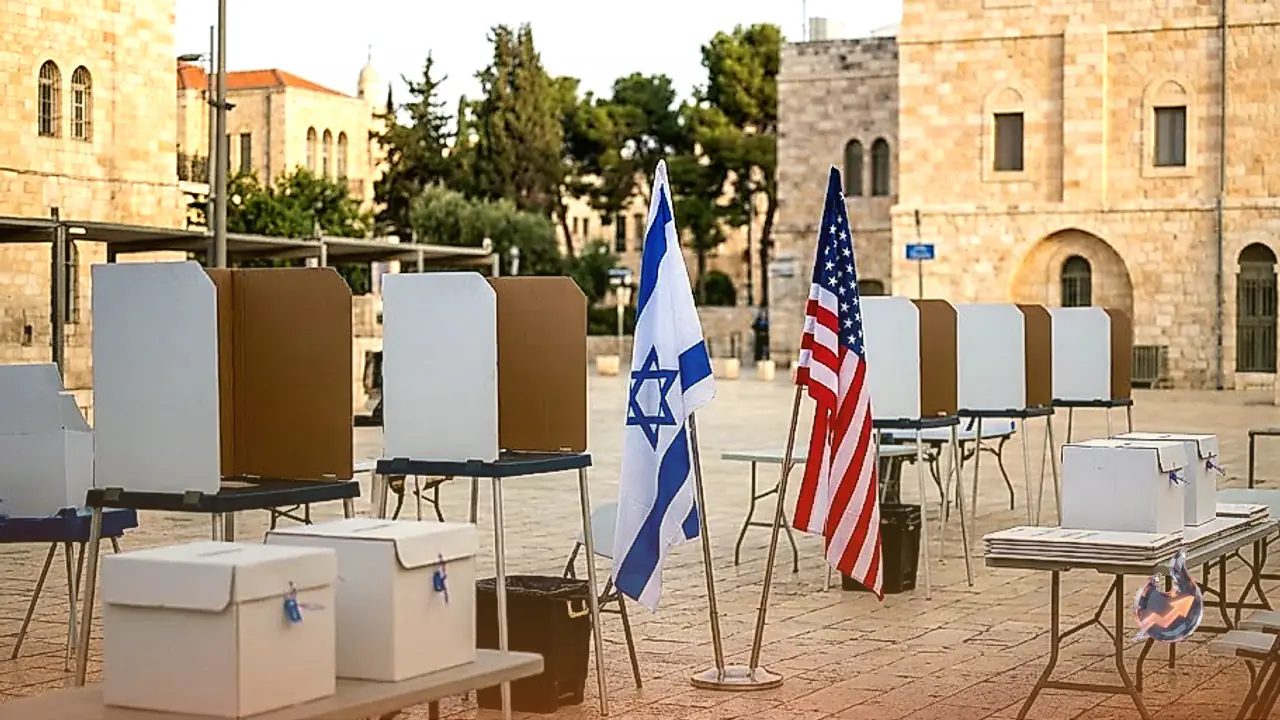





















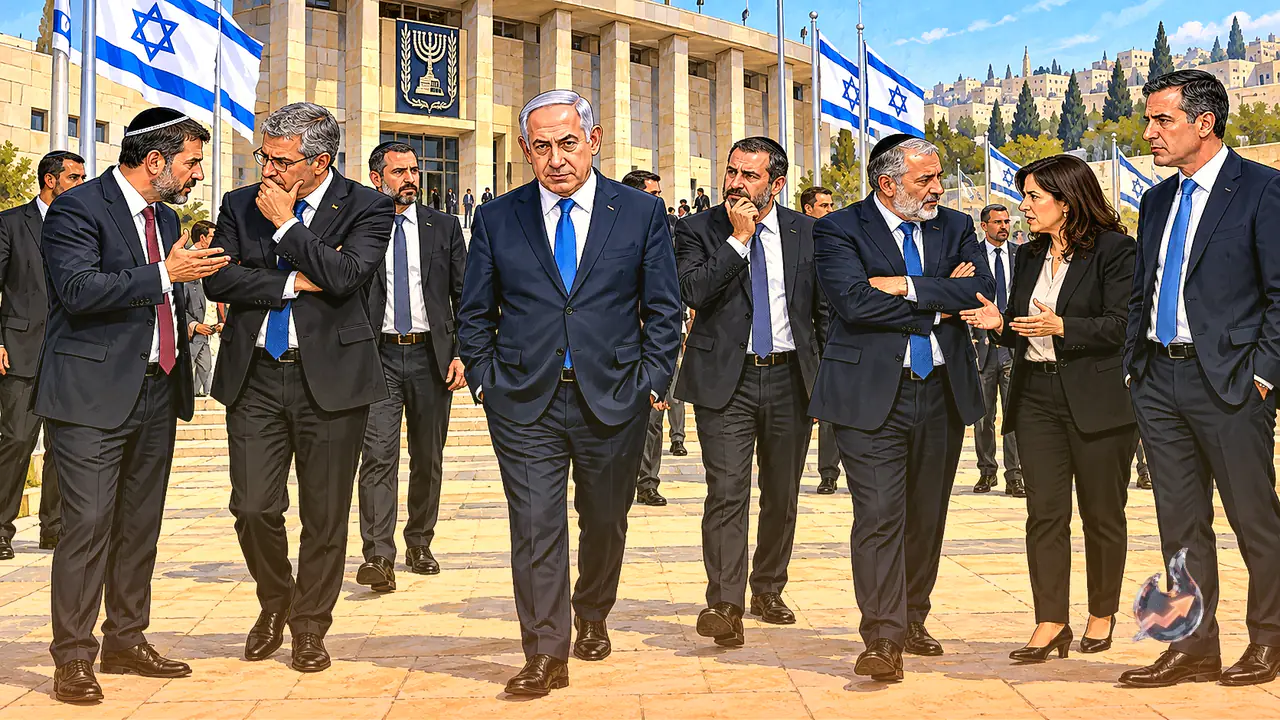

Israel is once again facing a severe political deadlock as initial vote counts indicate that neither incumbent Prime Minister Benjamin Netanyahu nor his primary challenger Gadi Eisenkot has secured enough seats to claim a parliamentary majority. With 85 percent of the ballots now tallied, forming a government will likely require one of the leading factions to abandon core campaign promises, pointing toward the strong possibility of yet another round of fresh elections.
The Unity Government Hurdle and Clashing Agendas
Could Benjamin Netanyahu persuade Gadi Eisenkot to join him in a national unity government? To do so, Eisenkot would have to completely abandon his foundational platform. He has framed himself throughout his campaign as the sole alternative to Netanyahu, building his entire political bid around ousting him from power. Just last night, standing at his campaign headquarters, he publicly urged Netanyahu to announce his retirement from political life today, telling supporters that Israelis are utterly exhausted by what he termed Netanyahu's culture of lies, division, and incitement. However, that fiery speech was delivered before one of the primary exit polls initially projecting a lead for Eisenkot's bloc was revised, ultimately placing Netanyahu ahead.
Netanyahu's Dilemma with Right-Wing Partners
Alternatively, Netanyahu could attempt to coax Eisenkot's Yashar Party into joining his Likud Party in a unity government by discarding the far-right and ultra-Orthodox factions currently anchoring his coalition. Yet, speaking last night at Likud headquarters, Netanyahu expressed gratitude to his loyal partners and issued a passionate call for a strong right-wing government, remarks widely interpreted as a signal that he intends to preserve his existing alliances.
The Shadow of Regional Conflict with Iran
One external factor that could increase the likelihood of a unity government is a renewed military conflict with Iran, which would place immense pressure on political leaders to set aside their differences and cooperate. In the days leading up to the election, both Israeli and American media outlets reported that Netanyahu was actively pushing for fresh military strikes against the country and had urged Donald Trump to approve direct US involvement. Critics would undoubtedly frame any such escalation as an attempt by Netanyahu to save his own political skin by plunging the nation into another regional crisis.
Historic Turnout Among Arab Voters
The true surprise story of election night centered on Israel's Arab parties, which defied expectations by surging toward a record 19 seats. This surge was driven by an unprecedented voter turnout among the country's Arab population, who comprise roughly one-fifth of the nation and frequently identify as Palestinian citizens of Israel. For years, many in this community boycotted national elections out of a belief that participating would only legitimize a system treating them as second-class citizens. However, their massive mobilization this time was inspired by an urgent desire to unseat the most right-wing governing coalition in the nation's history.
Fragile Alliances and Deep Societal Divides
While the United Arab list, projected to secure around 7 seats, has stated readiness to join an opposition government, The Joint List, projected to win 12 seats, has offered external support. This means both factions would need to significantly shift their stances for Eisenkot to secure a majority. Presently, the only prominent Jewish leader advocating for this type of cooperation is Yair Golan of The Democrats. Furthermore, such a coalition would be extraordinarily fragile, particularly regarding volatile issues concerning Gaza and the occupied West Bank. The rigid resistance displayed by nearly all Jewish parties against Arab political participation highlights the profound and enduring divisions within Israeli society.
Potential Defections on the Right Wing
Could Netanyahu manage to peel away right-wing factions from Eisenkot's bloc to reinforce his own coalition? The two most plausible candidates for such a defection are Naftali Bennett, co-leader of the Beyachad political alliance, and Avigdor Lieberman, head of the Yisrael Beiteinu party. Both are staunch right-wingers holding hardline views on security who share some political overlap with Netanyahu. Nevertheless, both campaigned explicitly on removing him from office and expanding military conscription to include ultra-Orthodox citizens, putting them at direct loggerheads with the ultra-Orthodox parties already entrenched in Netanyahu's government. While some analysts have suggested that Bennett and Lieberman could step in to replace the ultra-Orthodox parties, current electoral arithmetic suggests that configuration might fall short of the required majority.
The Default Path of Fresh Elections
If none of these complex negotiations bear fruit, the default destination will be new elections. Many observers view this outcome as a quiet victory for Netanyahu, who would continue serving as caretaker prime minister while calculating that he holds better odds in a subsequent vote. Some analysts speculate that the historic Arab voter turnout might not be replicated if their record parliamentary representation yields no tangible changes, a dynamic that could simultaneously energize right-wing voters. Additionally, Netanyahu might gamble that the estimated 70,000 Israelis who flew home from abroad to cast ballots—demographics widely believed to skew against him—would not return a second time. Moreover, several right-wing parties that narrowly missed the 3.25 percent electoral threshold might perform even worse or drop out entirely, thereby redirecting crucial ballots toward Likud and its allies. Between 2019 and 2022, Israel was forced to hold five separate elections as Netanyahu and his rivals repeatedly failed to forge a stable working relationship.