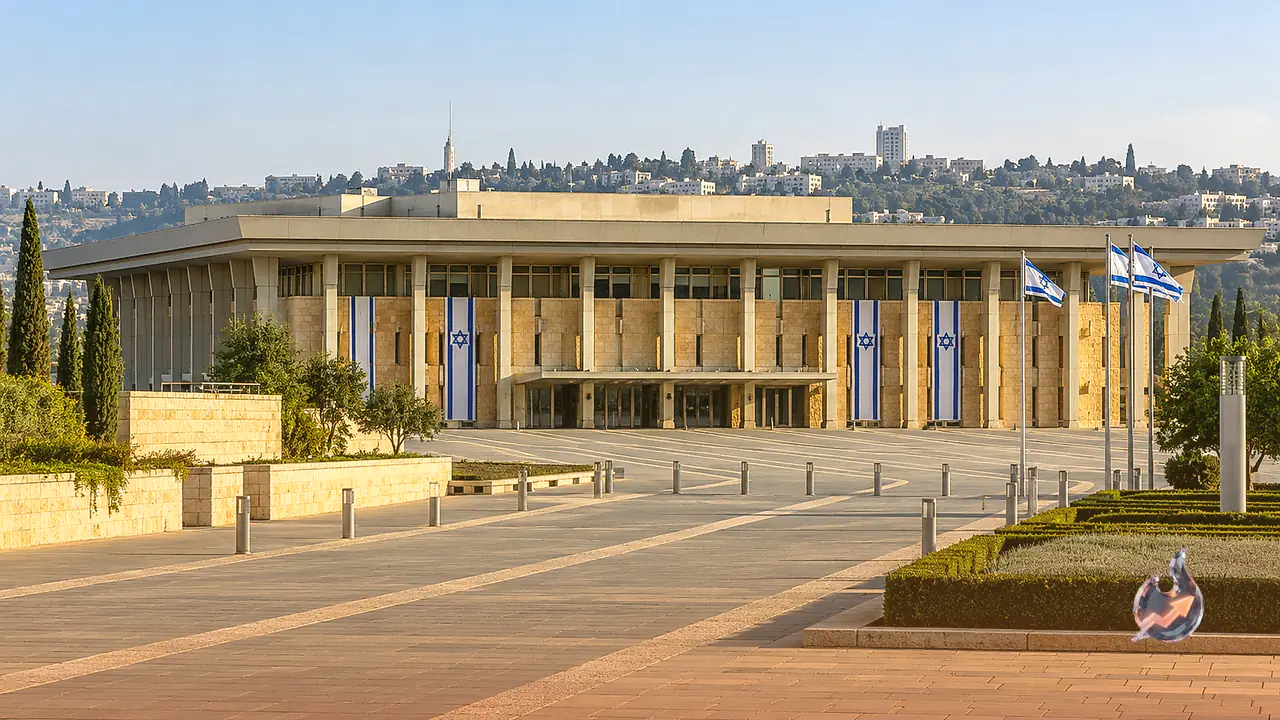




















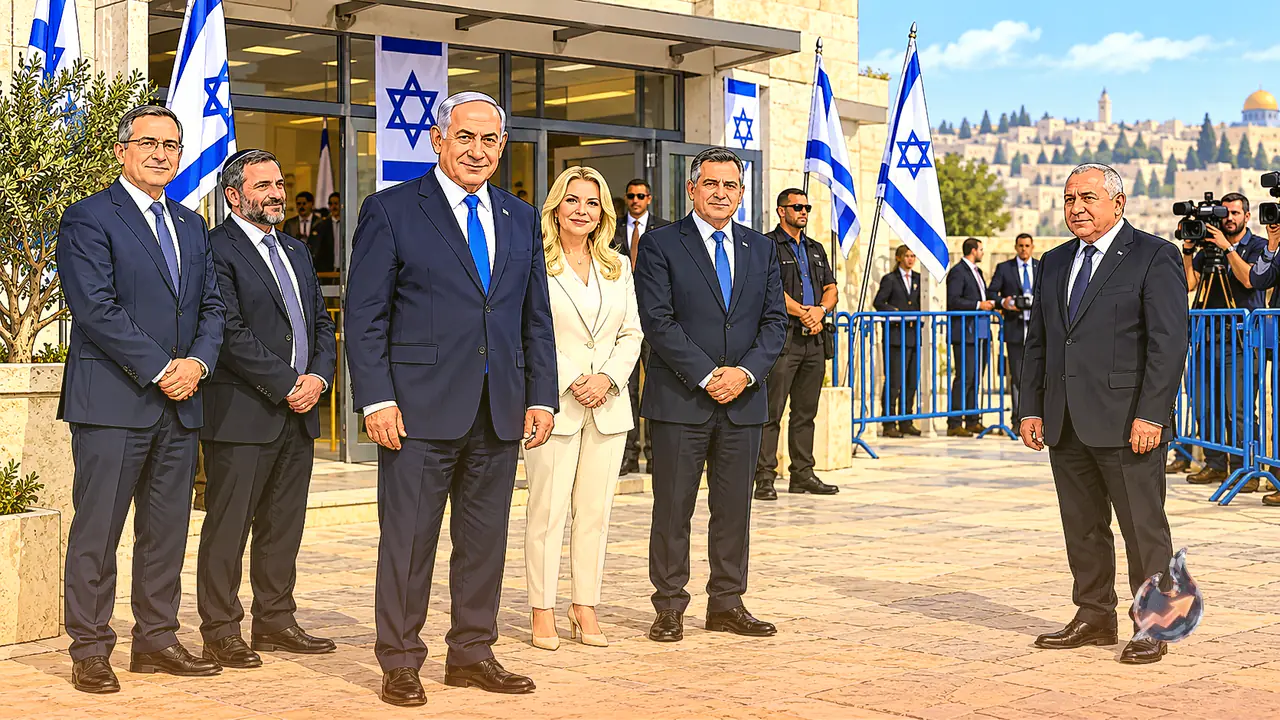

The legislative election results in Israel have generated a complex political deadlock, with partial tallies revealing a tight race between the incumbent leadership and the opposition. Veteran Prime Minister Benjamin Netanyahu is currently ahead of his primary challenger, former military chief Gadi Eisenkot, but neither side has secured the definitive numbers required to govern alone in the 120-seat parliament known as the Knesset.
Current Seat Projections and Vote Counts
With approximately 85% of the ballots successfully processed, Prime Minister Benjamin Netanyahu and his alliance consisting of the Likud party alongside far-right and ultra-Orthodox Jewish partners are projected to secure 53 seats. Meanwhile, Gadi Eisenkot and his Yashar party, paired with three other Jewish opposition factions within his designated bloc, are tracking toward 48 seats. Both political leaders have publicly stated their intention to initiate coalition-building talks despite neither holding an outright majority.
The Pivotal Role of Arab-Led Parties
A notable dynamic in this election cycle is the unprecedented surge of Arab-led factions, which are on trajectory to capture 19 seats. These groups could potentially act as kingmakers in the legislative stalemate. However, nearly all Jewish parties have maintained an explicit pledge against forming formal working arrangements with them. Figures within the opposition, such as Democrats leader Yair Golan writing on X, have argued that achieving a breakthrough requires looking past historic divides and engaging in genuine political partnerships.
Outstanding Ballots and Presidential Consultation
The definitive final outcome remains pending as election officials process between 430,000 and 480,000 absentee ballots cast by military personnel and diplomats stationed abroad. This administrative process is expected to require another day or two before official certification. Once finalized, President Isaac Herzog will convene formal consultations with representatives from every political faction, ultimately tasking the leader he deems most capable of assembling a stable governing coalition.
Voter Turnout and Core Campaign Issues
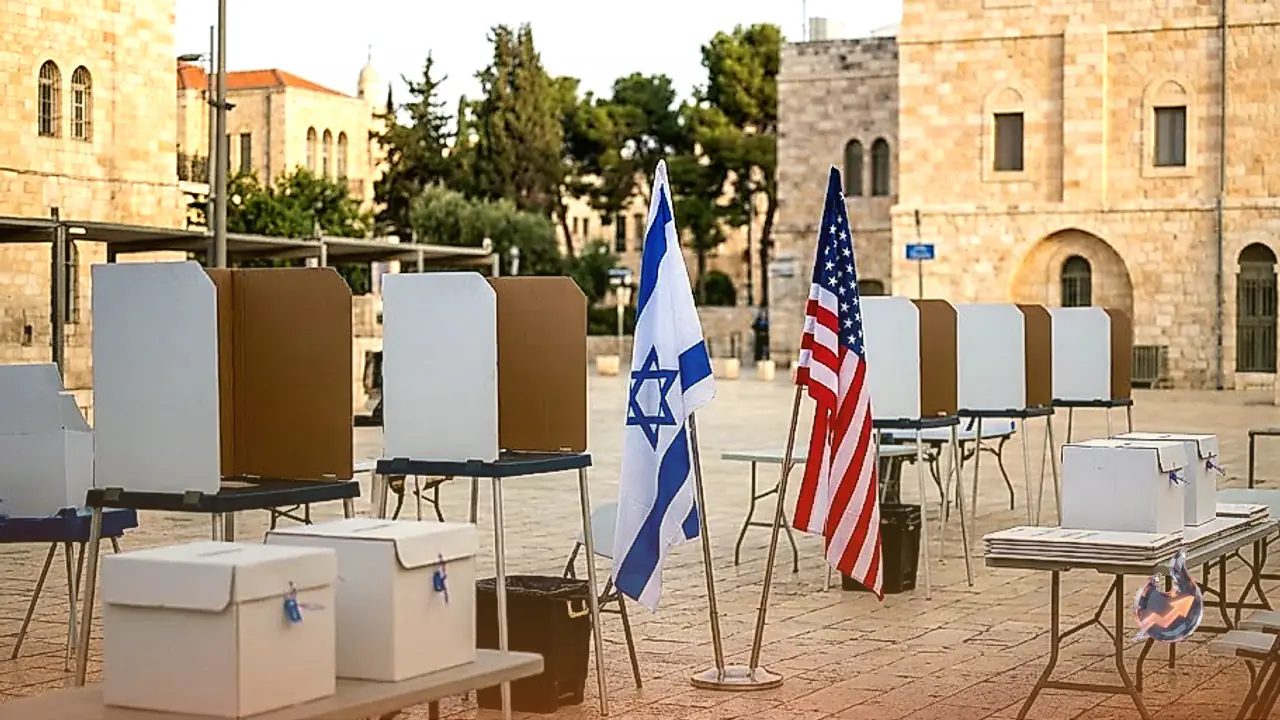
President Isaac Herzog recently commended the public following a historic 77.7% voter turnout during Tuesday's polls, marking the highest participation rate recorded in the nation in over two decades. He emphasized the collective responsibility to prevent yet another redundant election cycle. This pivotal vote represents the first major electoral test since the onset of the October 7, 2023 attacks and the subsequent regional conflicts, focusing heavily on security accountability, judicial reforms, and conscription debates.