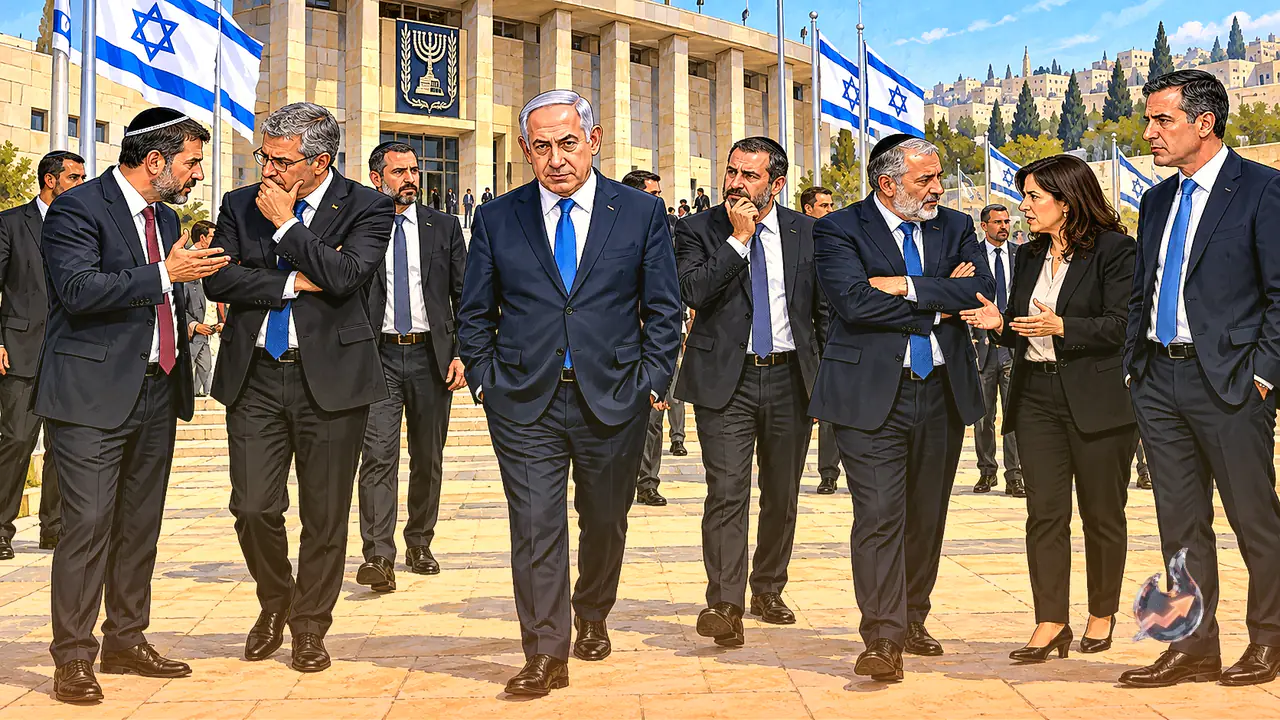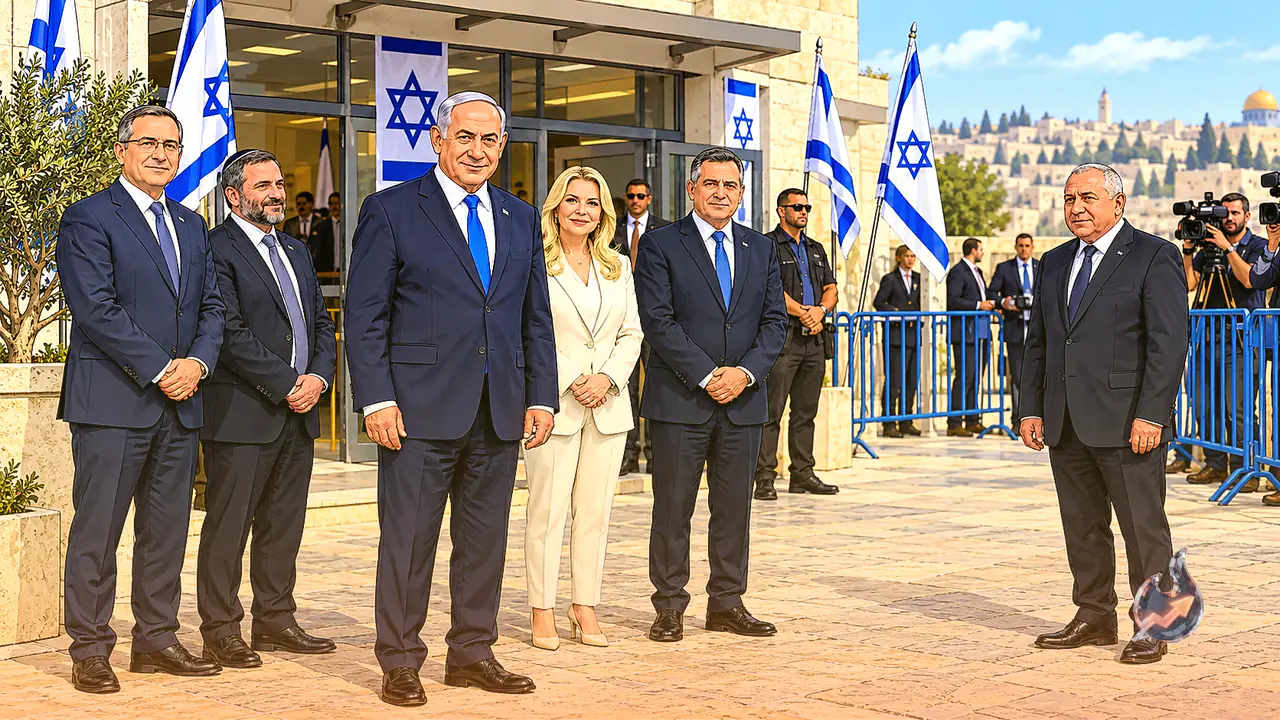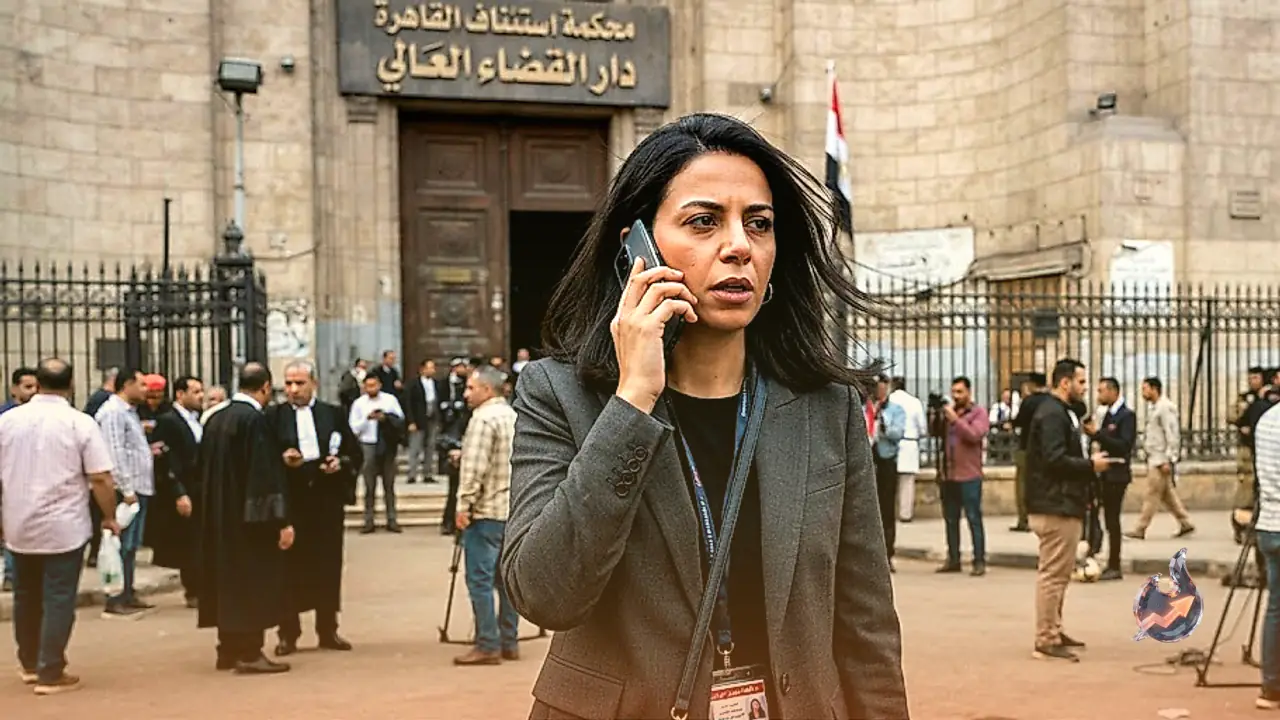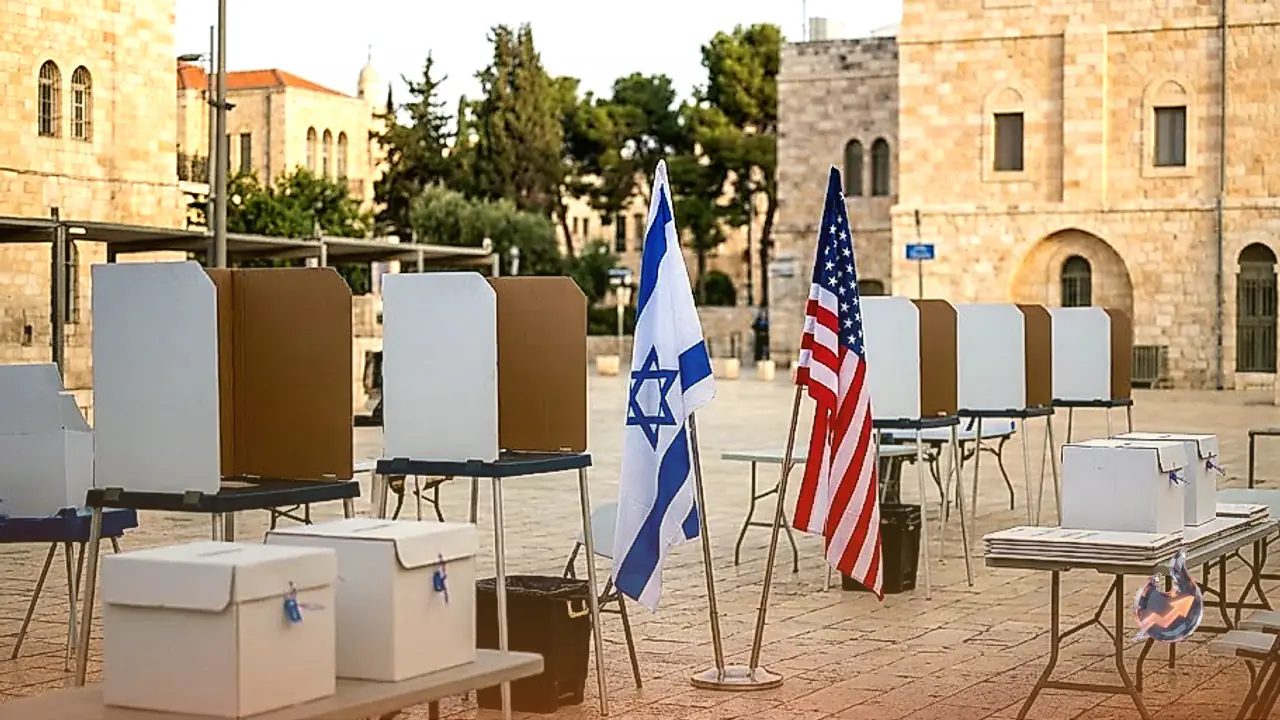




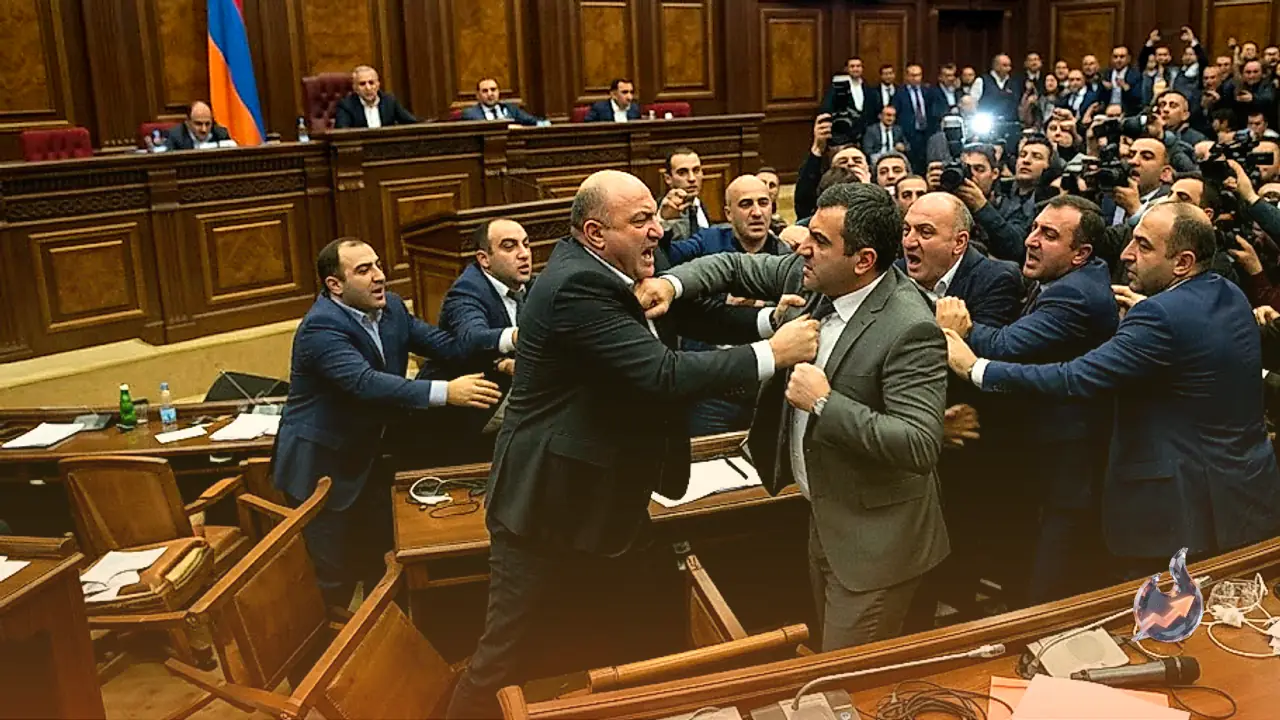


















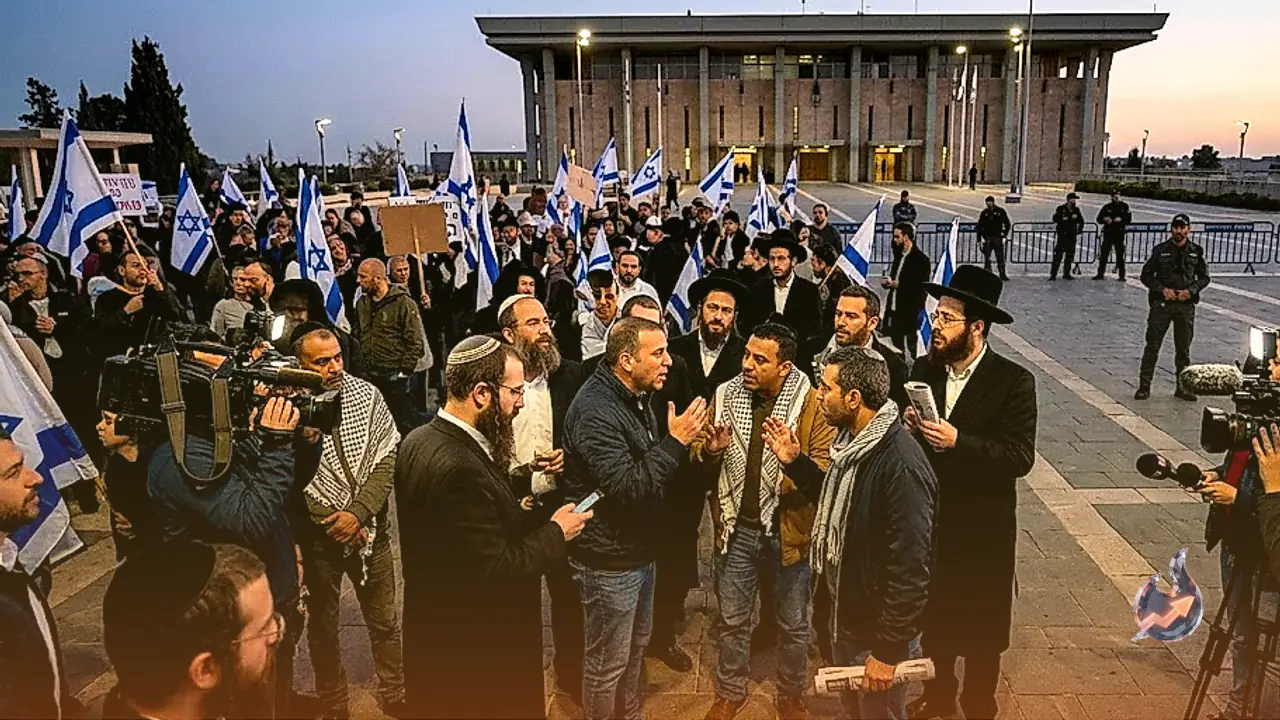

Israel has been plunged into a state of severe political uncertainty following the conclusion of its latest parliamentary elections, as the final ballot counts and exit polls confirmed a deadlock that offers no straightforward path toward establishing a ruling administration. Despite exceptional civic engagement marked by record-breaking voter turnout across both Jewish and Arab demographics, alongside citizens spending substantial sums to fly back from foreign nations solely to participate, the electorate delivered an entirely inconclusive verdict. Neither the ruling conservative bloc nor the broad opposition front succeeded in securing a working parliamentary majority, leaving the Middle East's longest-standing democracy caught in an acute legislative paralysis that threatens prolonged institutional instability.
A Fractured Proportional Framework
Governance through multi-party coalitions is not a novel phenomenon in Israeli political history, as the state's strictly proportional representation mechanism has historically prevented any single political formation from capturing sole control of parliament. Nevertheless, seasoned observers note that this specific round of voting signifies something far more corrosive than regular coalition haggling. President Isaac Herzog publicly celebrated the massive participation, labeling the intense voter mobilization a badge of honour that reflected a profound national desire for democratic processes. Yet, the resultant numbers confirmed that rather than rallying behind a cohesive national vision, the voting public has fractured along deeply entrenched social, cultural, and political lines.
The Widening Religious and Secular Divide
Beneath the immediate arithmetic of seat tallies lies an escalating confrontation regarding the foundational identity of the state, particularly the friction between devout religious segments and the secular mainstream. The ultra-Orthodox community currently accounts for almost 15 percent of the national population, espousing a traditional worldview that contrasts sharply with the secular, cosmopolitan populace living in the tech-driven quarters of Tel Aviv. This cultural chasm manifests in bitter legislative arguments over public funding, notably whether state coffers should continue subsidizing lifelong religious study. Concurrently, the issue of military service remains intensely divisive, with secular families questioning why their offspring must face the hazards of armed defense while ultra-Orthodox citizens enjoy structural exemptions from national service.
Right-Wing Polarization and Historic Arab Balloting
Ideological fault lines have grown equally pronounced across the partisan spectrum. Benjamin Netanyahu campaigned aggressively on the imperative of installing a strong right-wing national government. Approximately 10 percent of the electorate cast their ballots for the Jewish supremacist far-right, empowering political figures such as Finance Minister Bezalel Smotrich, who actively advocated for establishing new Jewish settlements across the Gaza Strip even while preliminary election data was being made public. In contrast, Arab political parties, which advocate for the roughly one-fifth of Israeli citizens identifying as Arab, secured approximately 15 percent of the total vote. This performance significantly bolsters their presence, potentially granting them parliamentary representation reaching into the high teens and creating an influential voting bloc that defies historical marginalization.
Opposition Ambitions Stall at the Ballot Box
Challenging the incumbent coalition was a disparate opposition collective spanning centrist, leftist, and moderate conservative factions under the leadership of Gadi Eisenkot. Eisenkot insisted that the public had clearly registered its voice in favour of sweeping national change, an outcome that vast segments of the electorate viewed as vital for safeguarding the state's future trajectory. Despite these assertions, the opposition bloc failed to amass the numbers required to independently dislodge the incumbent leadership. The deadlock now forces uncomfortable calculations upon all players, raising questions about whether Netanyahu might abandon his long-standing ultra-Orthodox partners to recruit right-wing figures from the opposition, or whether those very opponents would agree to suppress their deep-seated grievances to enter a Netanyahu-led cabinet.
The Dilemma of Arab Alliance and Systemic Fragility
The opposition confronts an equally fraught strategic gamble regarding whether to break historical conventions and form an governing compact with Arab factions to shut Netanyahu out of office. Such an alliance would carry profound risks for Arab politicians as well, who might find themselves tethered to an unstable coalition vulnerable to sudden collapse. Left-wing Democrat leader Yair Golan addressed this friction directly, demanding that the opposition embrace Arab legislators as legitimate coalition partners and reject Netanyahu's racially driven categorization of Jewish versus Arab votes. Even commentary sympathetic to the prime minister, such as analysis from Amit Segal, observed that the unprecedented Arab turnout serves as a stark reminder to Jewish factions on both ends of the political spectrum that, following years of acute polarization, they may ultimately be compelled to share legislative governance.
Internal Strain Versus External Security
Authoritarian systems globally have long weaponized democratic coalition struggles as evidence of structural weakness, portraying representative governance as prone to indecisive and fragile alliances that cannot effectively implement the popular will. With President Herzog emphasizing the urgent necessity of avoiding yet another demoralizing round of snap elections, the country faces months of fraught bargaining that could still end in failure. For decades, national strategy has prioritized deterrence against external armed threats across regional borders. However, the outcome of this election underscores an equally pressing mandate to confront domestic fractures. Echoing Winston Churchill's 1947 observation in the House of Commons that democracy remains the least flawed system among all historical alternatives, as well as his belief that representative governance serves as a vital safeguard against domestic perils that dwell close to home, the state must now prove its capacity to bridge its own internal divisions.