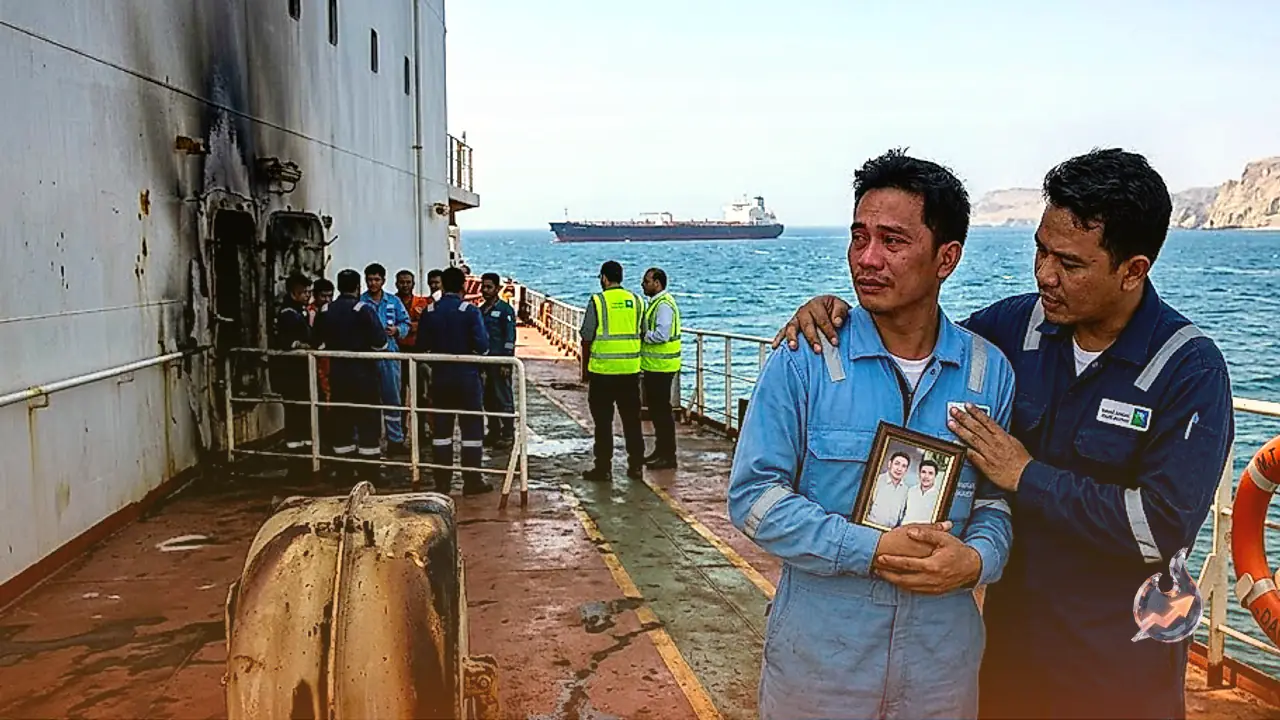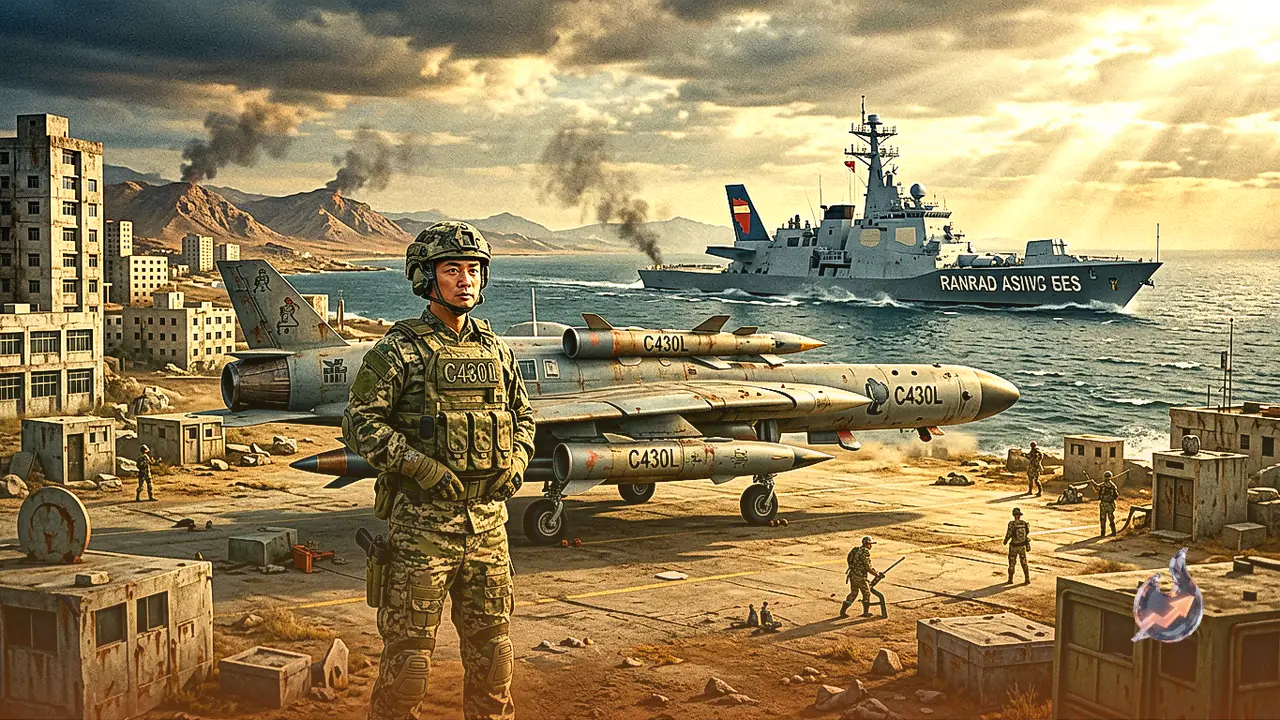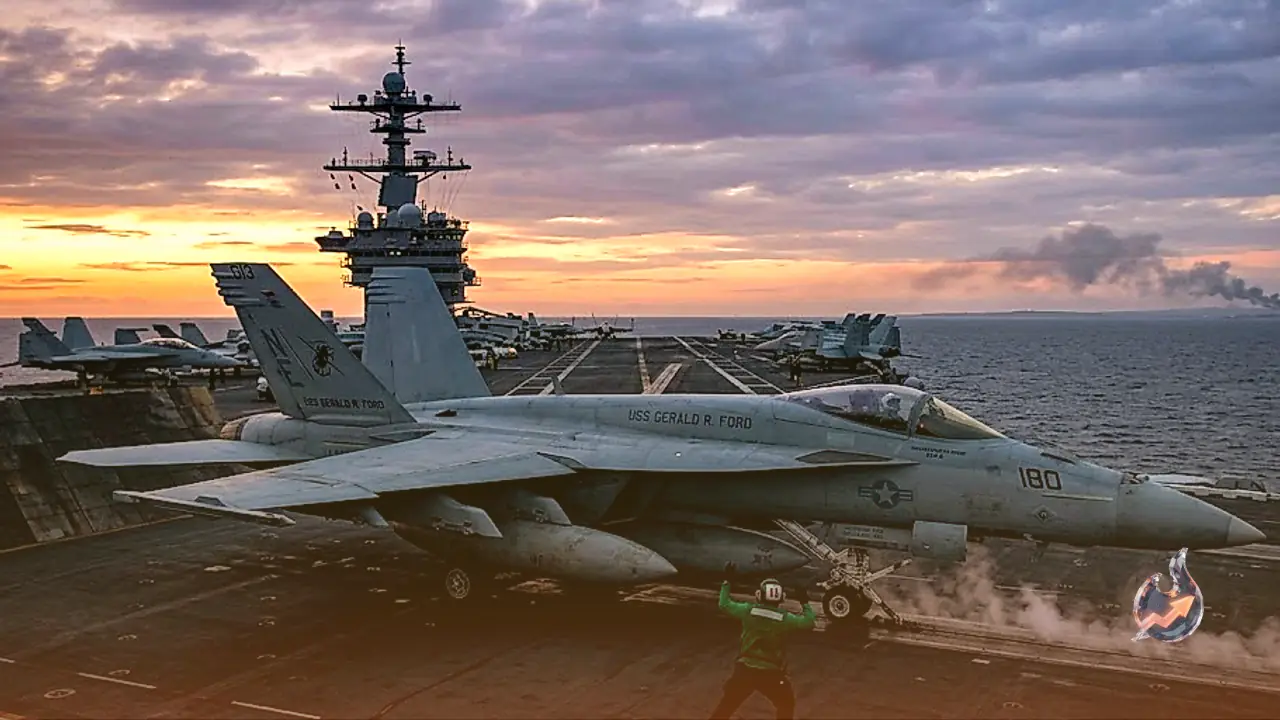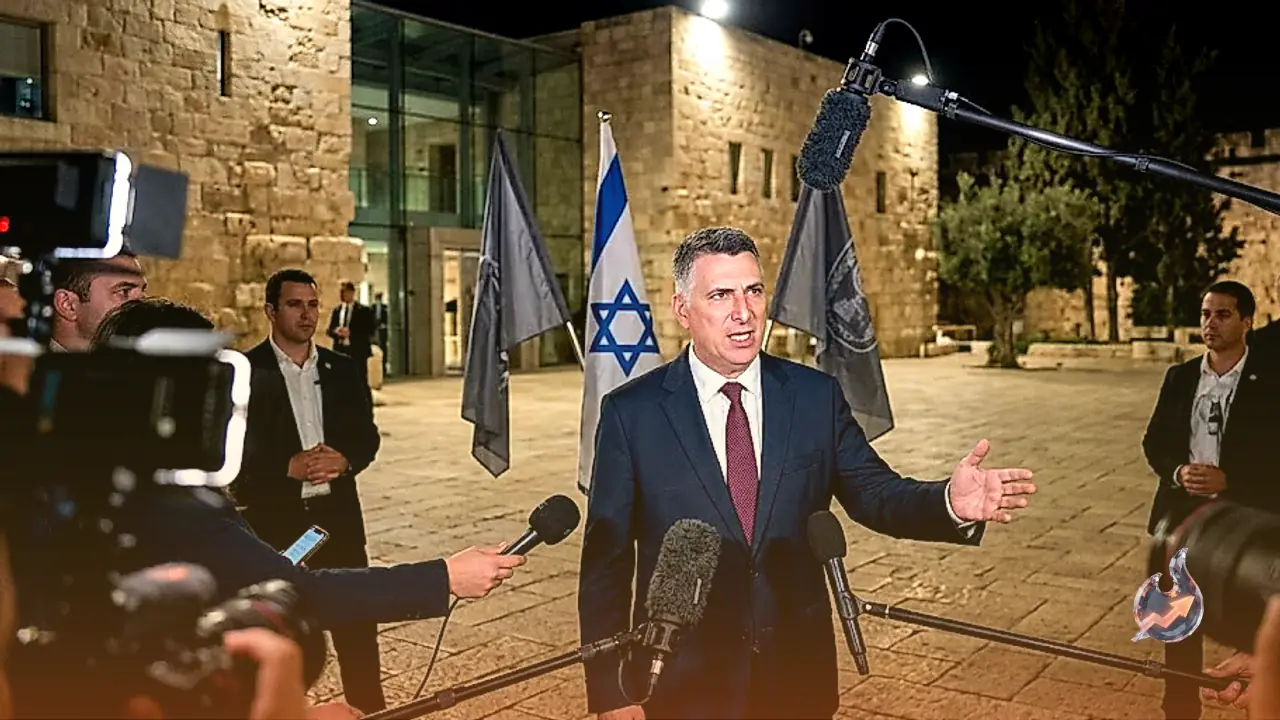























The conflict between the United States and Iran has stretched into its seventh month, with both sides continuing to exchange blows and unyielding rhetoric. The prospect of an immediate diplomatic breakthrough appears increasingly distant as Washington shifts into a more aggressive economic containment phase. The broader strategy is designed to pressure Tehran into negotiations and halt ongoing disruptions to commercial shipping within the vital Strait of Hormuz. This critical maritime trade route has faced severe disruptions since military hostilities erupted in February, effectively halting normal commercial traffic through the region.
The Breakdown of Diplomatic Efforts and Blockades
A Memorandum of Understanding signed by both nations in June was originally intended to pave the way for a permanent ceasefire and a comprehensive settlement within a sixty-day window. However, that deadline has long since passed without the realization of a lasting agreement. The administration has steadily intensified economic pressure through sweeping blockades targeting not just Iran, but also third-party nations engaging in commerce with it. US officials argue these severe economic measures are necessary to compel a weakened Iranian leadership to return to the diplomatic table under less favorable terms for Tehran.
Strategic Ambiguity and Military Limits
According to Jason Campbell, a Senior Fellow at the Middle East Institute in Washington DC, a fundamental problem remains the lack of clarity regarding ultimate US strategic objectives in the region. Initial assumptions suggested that military components alone would secure a rapid outcome, yet those projections failed to materialize. The White House now appears content with managing a controlled stalemate, utilizing ongoing naval blockades and targeted strikes to curb Iranian capabilities in the strait. While US forces have managed to maintain a trickle of oil shipments sufficient to prevent a catastrophic global economic collapse, these defensive measures fall far short of initial wartime ambitions.
Iranian Resilience and Economic Pressures
Dr Aniseh Bassiri Tabrizi, an Associate Fellow with Chatham House, notes that recent military escalation has done little to alter the underlying calculations in Tehran. The Iranian leadership anticipates further economic strangulation and intermittent skirmishes, maintaining a policy of proportionate response to avoid triggering a broader regional war. Although chronic structural issues compounded by domestic demonstrations have heavily strained the domestic economy, there is little indication that financial distress alone will force an immediate capitulation or shift in national policy. Tehran appears to be waiting for Washington to revisit the June agreement or offer tangible concessions rather than yielding to unilateral pressure.
The Search for an Exit Strategy
Nicholas Hopton, a Distinguished Fellow at the Royal United Services Institute and former UK ambassador to Iran, points out that unilateral economic pressure is unlikely to succeed given that major trading partners like China and Russia refuse to enforce American sanctions. Because Iran maintains leverage over global energy supplies through its control of the Strait of Hormuz, a purely military solution remains elusive. The most viable diplomatic off-ramp continues to be a serious recommitment to the framework established in June. Successfully implementing such an agreement could gradually weaken hardline factions and transform the political landscape over time, though achieving this requires immense strategic patience from all international partners involved.