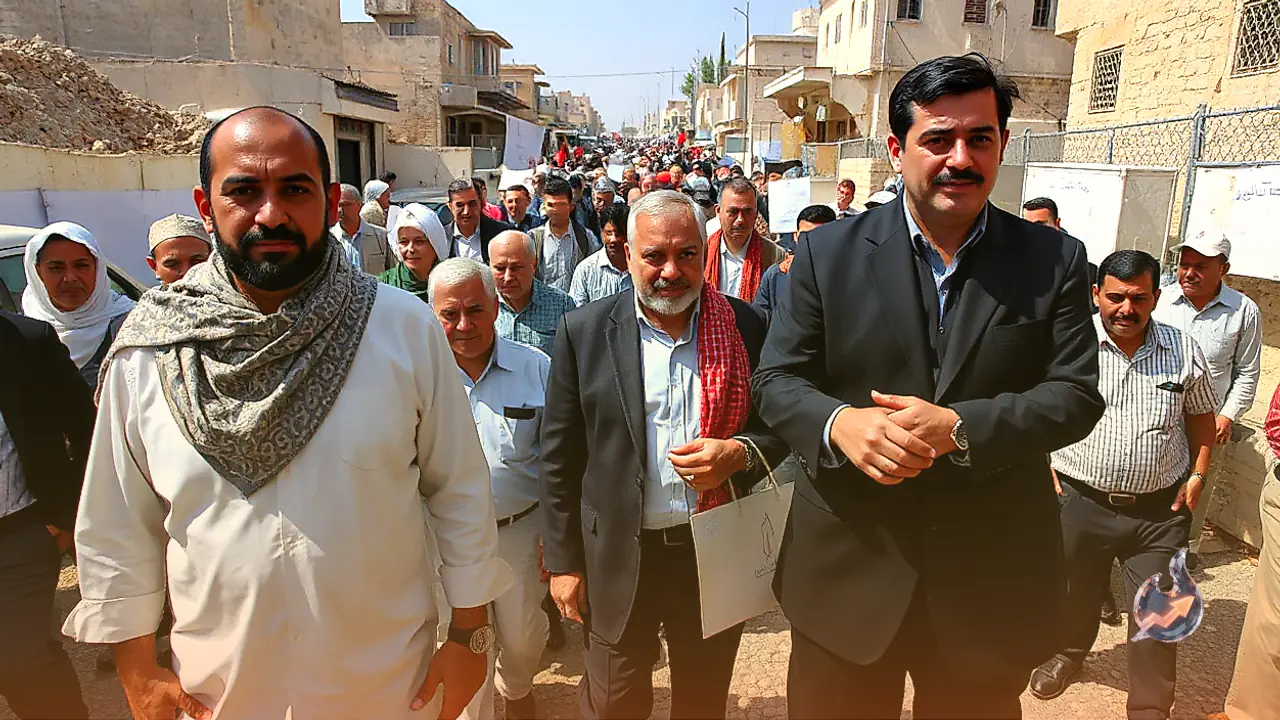



















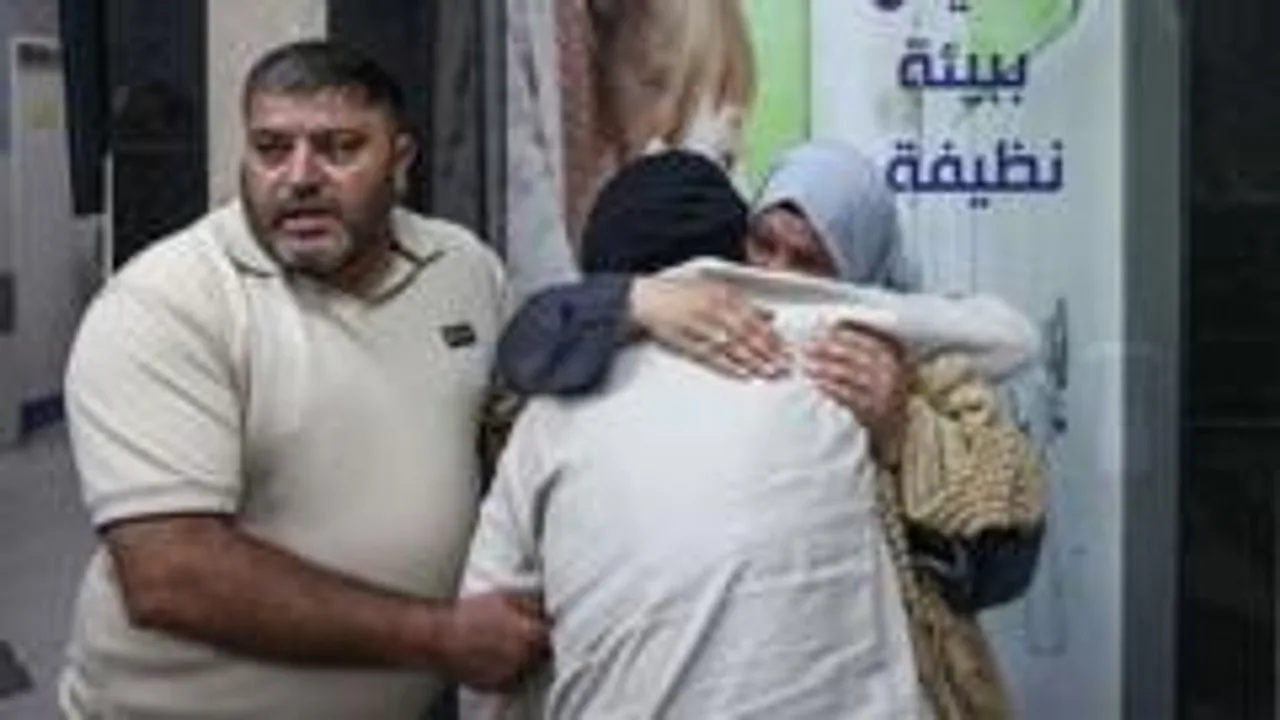

Tensions across the occupied West Bank reached a critical flashpoint following the deaths of two Palestinian teenagers during a confrontation involving Israeli settlers and military personnel in the village of al-Mughayyir. Local authorities confirmed that funeral processions took place on Wednesday for Omar al-Nassan, aged 19, and Khalil Abu Alia, aged 16. The deaths occurred during an incident triggered by attempts to defend local livestock, marking another deadly escalation in a region already experiencing a significant rise in violent encounters between rural Palestinian communities, Israeli settlers, and armed forces.
Violent Confrontation Over Livestock in Al-Mughayyir
According to statements from the village council of al-Mughayyir, located near Ramallah, the conflict began when Israeli settlers attempted to steal sheep belonging to local Palestinian farmers. Residents rushed to protect their property, resulting in immediate physical confrontations between the villagers and the arriving settlers. Omar al-Nassan and Khalil Abu Alia were among those who stepped forward to prevent the livestock theft before fatal gunfire broke out during the struggle.
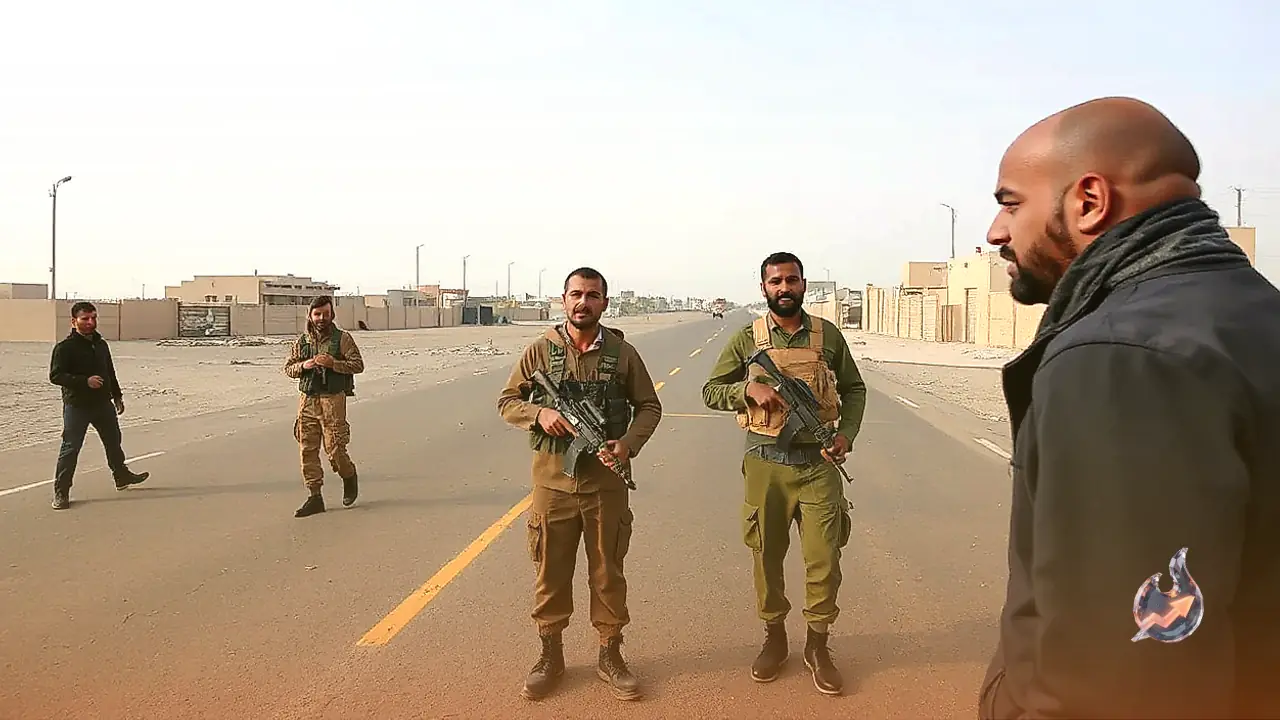
The Israeli military offered a differing account of the intervention, stating that its armed units entered al-Mughayyir to provide security for an Israeli civilian and police officers attempting to retrieve livestock. Military officials characterized the gathering of Palestinian residents as a violent disturbance, alleging that local villagers threw stones at responding troops. Army leadership confirmed that soldiers opened fire on individuals identified as key instigators of the unrest, striking them during the operational response.
Rising Escalation of Settler Violence Across the West Bank
The fatal clash in al-Mughayyir comes amidst a broader pattern of deteriorating stability throughout the West Bank. Data compiled by the United Nations indicates that settler attacks have averaged more than three incidents per day since the beginning of the year. The village of al-Mughayyir itself has faced recurrent raids and confrontations over recent months, creating sustained anxiety among its agrarian population.
United Nations statistics record that at least 81 Palestinians have been killed by Israeli armed forces or settlers across the West Bank since the start of the current calendar year. Out of these overall fatalities, 25 deaths occurred specifically within the context of settler-led attacks and subsequent altercations. Over the identical timeframe, UN records document that three Israelis, comprising both civilian residents and security personnel, lost their lives in attacks carried out by Palestinians in the West Bank.
Human rights observers and international monitoring groups have increasingly criticized the conduct of the Israeli military during these incidents. Critics allege that military units frequently fail to intervene against settler violence, stand by while attacks unfold, or actively participate in actions against local Palestinians. Furthermore, law enforcement agencies face persistent scrutiny for failing to thoroughly investigate or prosecute individuals responsible for vigilante violence against Palestinian communities.
Arrest Following Masked Settler Siege in Qusra
In a notable development regarding accountability, Israeli police announced on Thursday the arrest of a 19-year-old settler suspected of participating in a violent raid on the Palestinian village of Qusra. The arrest relates to an incident that occurred on the preceding Saturday and represents the first formal detention in weeks despite repeated attacks reported in the area.
During the Saturday attack in Qusra, dozens of masked settlers descended on the village, surrounding a residential home while Palestinian family members remained trapped inside. Witnesses reported that the attackers hurled stones at the structure. When Israeli military personnel arrived on the scene, troops detained the trapped Palestinian residents instead of taking action against the masked assailants, who were permitted to leave without hindrance. The military subsequently stated that its forces were deployed to remove rioters and safeguard residents.
Demolition and Displacement in Khirbet Al-Tabban
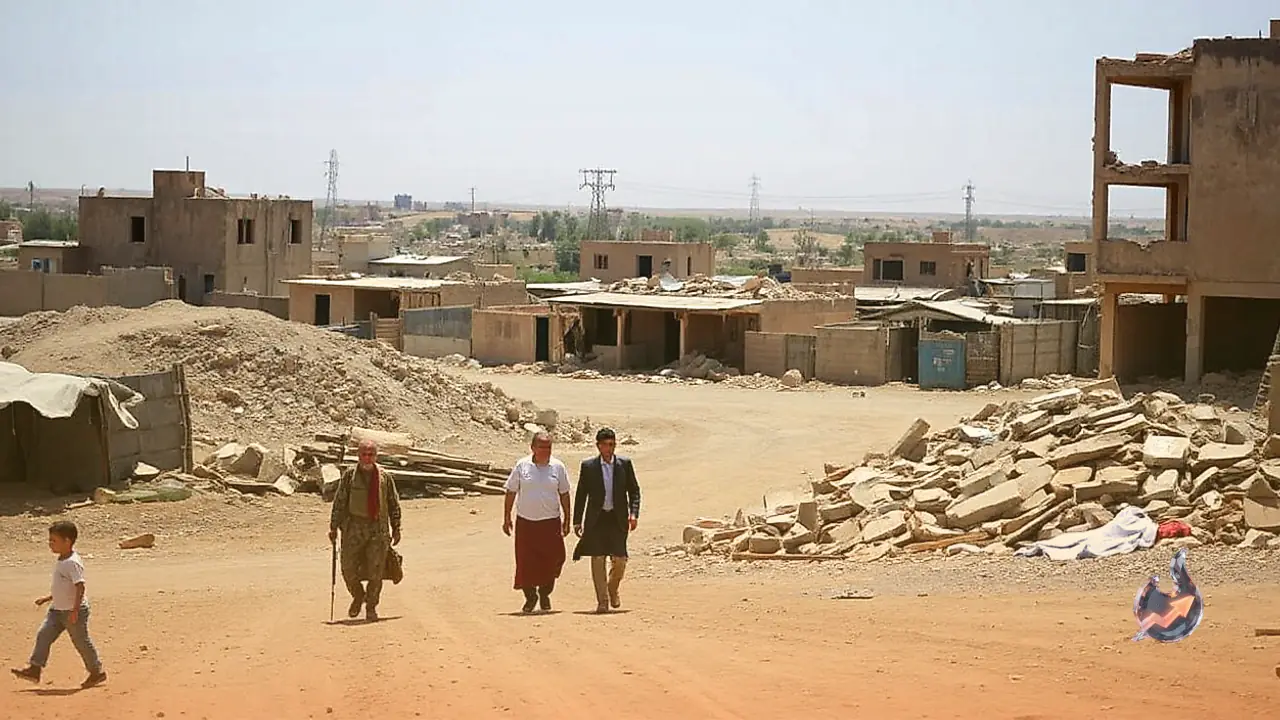
Parallel to the fatal violence in al-Mughayyir, Israeli enforcement operations led to the destruction of entire residential structures elsewhere in the West Bank. On Wednesday, military forces completely demolished the Palestinian village of Khirbet al-Tabban, situated within the Masafer Yatta region of the South Hebron Hills.
Information provided by the Israeli human rights organization B'Tselem highlighted that 70 residents, including 28 children, were left homeless by the sudden demolition. Human rights officers reported that families received zero advance warning prior to the arrival of heavy machinery and were forcibly prohibited from retrieving their personal belongings, household items, or furniture before the buildings were razed. B'Tselem categorized this operation as the most extensive single demolition executed in the Masafer Yatta area since May 2025.
Legal Disputes and Firing Zone Classifications Since the 1980s
The legal and structural background of Masafer Yatta dates back to the 1980s, when the Israeli military formally designated approximately 3,000 hectares of land in the South Hebron Hills as a restricted firing zone for military training purposes. This designation encompassed long-standing Palestinian agrarian settlements, including Khirbet al-Tabban, leading to decades of legal contestation over residency rights.
Israeli authorities maintain that residential structures within the designated firing zone were constructed illegally without proper municipal building permits. However, local Palestinian families pursued extensive litigation, arguing that their communities had resided on and cultivated the land continuously long before the establishment of the State of Israel, and that forced displacement violates international humanitarian conventions governing occupied territories.
In 2022, Israel's Supreme Court ruled in favor of the defense ministry, authorizing the complete demolition of residential structures within the military firing zone and approving the expulsion of local inhabitants. B'Tselem reported that Khirbet al-Tabban marks the 66th Palestinian community to face expulsion by Israeli authorities since the commencement of the Gaza conflict in October 2023. The organization reiterated its assertion that these systematic demolitions form part of an ongoing policy aimed at demographic displacement across the West Bank.
Broader Settlement Expansion and Demographics in Occupied Territory
These developments unfold within the larger context of expanding civilian settlements across the West Bank and East Jerusalem, territories captured by Israel during the 1967 Middle East war. Since occupying these lands, Israel has constructed approximately 160 official settlements, which currently house an estimated 700,000 Jewish settlers. Approximately 3.3 million Palestinians live alongside these legal and illegal outpost developments in the West Bank.
The international community, alongside the United Nations Security Council, overwhelmingly considers all civilian settlements constructed in occupied territory to be illegal under international law. Palestinian leadership maintains that the continuous expansion of settlements and the demolition of indigenous villages directly undermine the viability of establishing a contiguous, independent Palestinian state alongside Gaza.