






















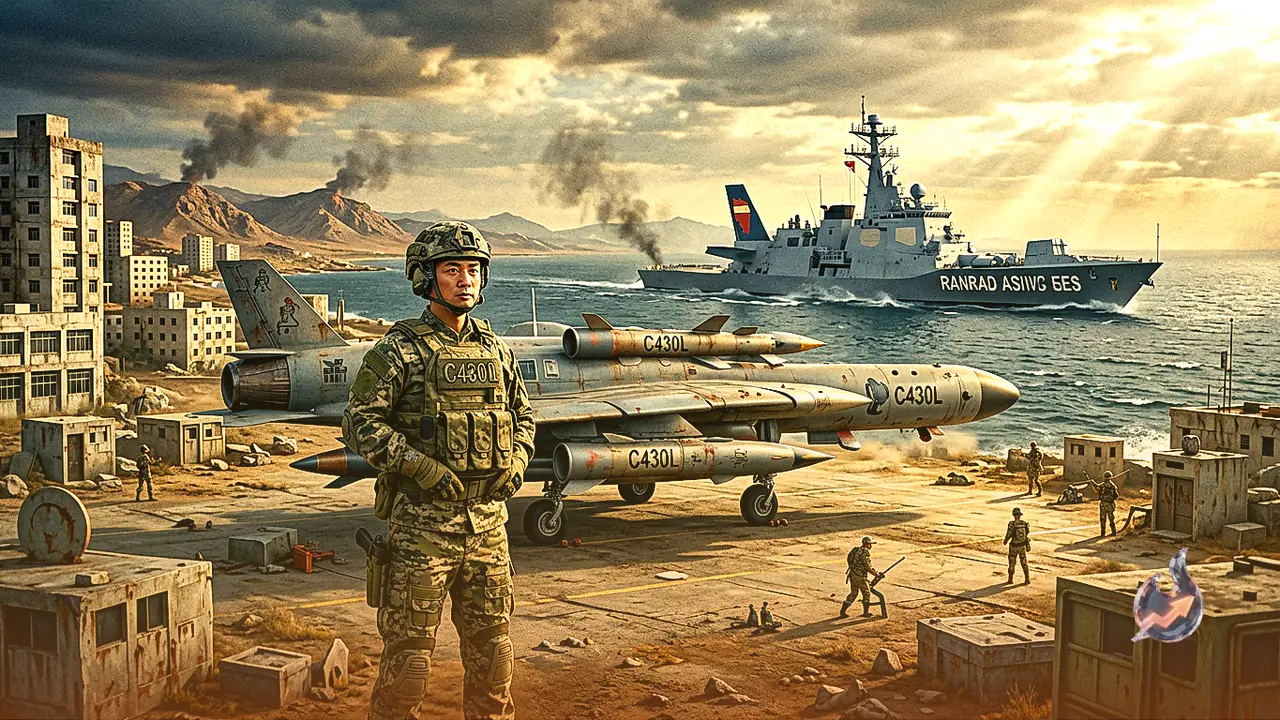

Amid escalating military friction between the United States and Iran, critical details have surfaced regarding a secretive defense cooperation program between Moscow and Tehran. Reports indicate that Russia has been quietly transferring highly sensitive military technology to assist Iran in developing advanced supersonic cruise missiles. Codenamed C430L, this clandestine effort reportedly began in 2023 and relies heavily on technical guidance from experienced Russian missile engineers. The revelation comes at a delicate juncture, following recent US airstrikes against Iranian targets and subsequent missile exchanges that have heightened fears of a broader regional escalation in the Middle East.
The Secret C430L Program and Ramjet Propulsion Systems
Initiated in 2023, the primary objective of the secret C430L initiative is to enable Iranian defense engineers to master ramjet engine technology. Ramjet propulsion provides missiles with sustained power at extremely high velocities, enabling them to travel at supersonic speeds multiple times faster than the speed of sound. Analysis of leaked communications, travel records, and military patents confirms the active involvement of veteran Russian missile specialists in the project. Weapons experts emphasize that supersonic cruise missiles operating on ramjet propulsion can fly at low altitudes while maintaining immense speed. This dual capability drastically shortens the detection and interception window available to modern radar and air defense systems.
Top-Level Authorization and Sensitive Technology Transfer
Fabian Hinz, a senior analyst at Conflict Armament Research and an expert on Iranian missile systems, highlighted the strategic significance of this technical exchange. Fabian Hinz stated, "This represents a strategic transfer of sensitive military technology that Iran has sought for decades." He noted that executing a high-stakes military collaboration of this nature inevitably requires explicit authorization from the highest political levels in Russia. The ramjet technology currently under development can be adapted for both land-attack cruise missiles and anti-ship missile variants designed to hit maritime targets.
Naval Threats to US Forces in the Persian Gulf
Evaluations indicate that Iran has already successfully fabricated a ramjet propulsion system and conducted flight testing. However, concrete evidence has not yet emerged to suggest that any Russia-assisted supersonic cruise missile has been fully deployed by Iranian armed forces. Assessing the operational implications, Jim Lamson, a former CIA military analyst now affiliated with the James Martin Center for Nonproliferation Studies, outlined the potential danger. Jim Lamson stated, "For Iran, this would be a strategic weapon system with new capabilities posing a threat to US Navy ships." Leaked records further show that technical discussions between Russian and Iranian counterparts regarding the program persisted through this summer.
Deepening Military Alliance Between Moscow and Tehran
Strategic and military collaboration between Russia and Iran has accelerated significantly in recent years. Tehran has supplied Moscow with large numbers of Shahed attack drones, which Russian forces have deployed extensively during the ongoing conflict in Ukraine. Furthermore, Iran helped establish domestic manufacturing facilities inside Russia to produce these unmanned aerial vehicles locally. Western defense officials have noted that Russia has reciprocated by providing Iran with battlefield intelligence, satellite imagery, drone expertise, and specialized weapon components during Iran's confrontations with the US and Israel.
Strategic Shift in Middle Eastern Defense Dynamics
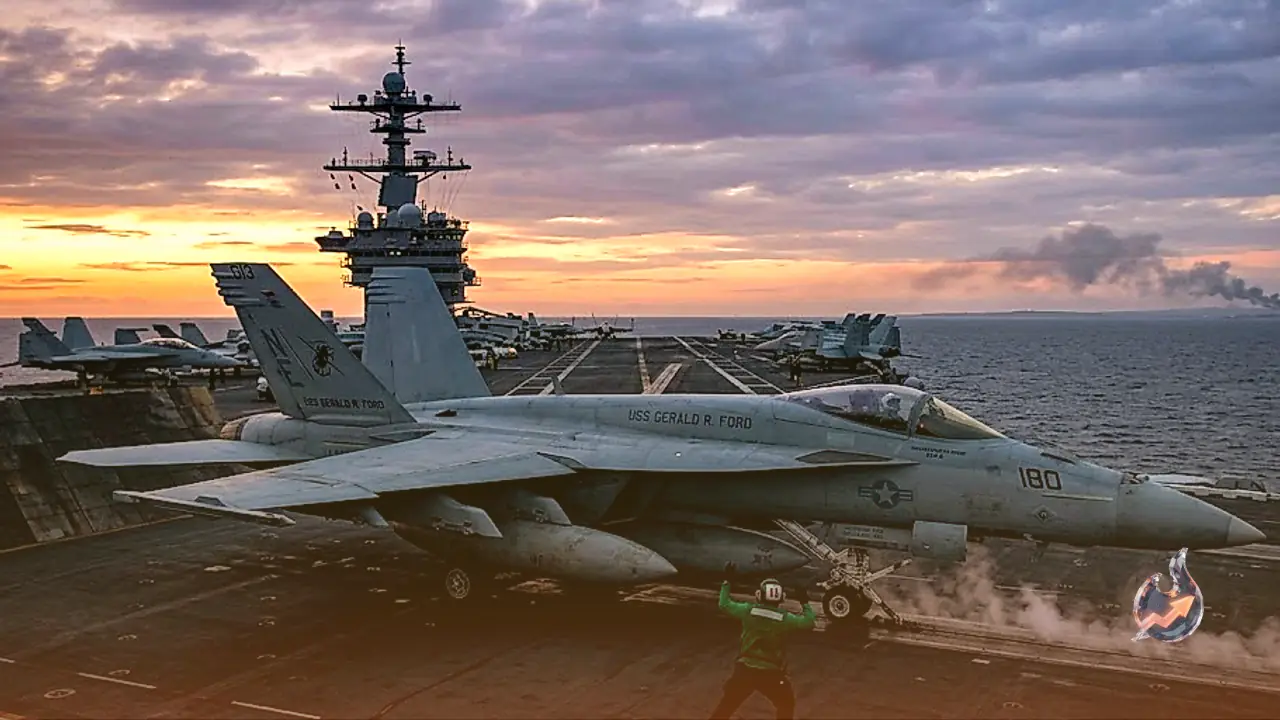
Should Iran successfully achieve fully operational supersonic cruise missile capabilities with Russian assistance, the security equation for US and allied forces deployed throughout the Gulf region will change dramatically. The Persian Gulf accommodates numerous US naval vessels, aircraft carriers, and defense assets. The combination of supersonic speeds and low-altitude flight paths drastically reduces reaction time for naval air defense architecture. While deployment remains unconfirmed, the ongoing transfer of advanced missile technology highlights growing strategic alignment between Russia and Iran, creating complex challenges for Washington.