




















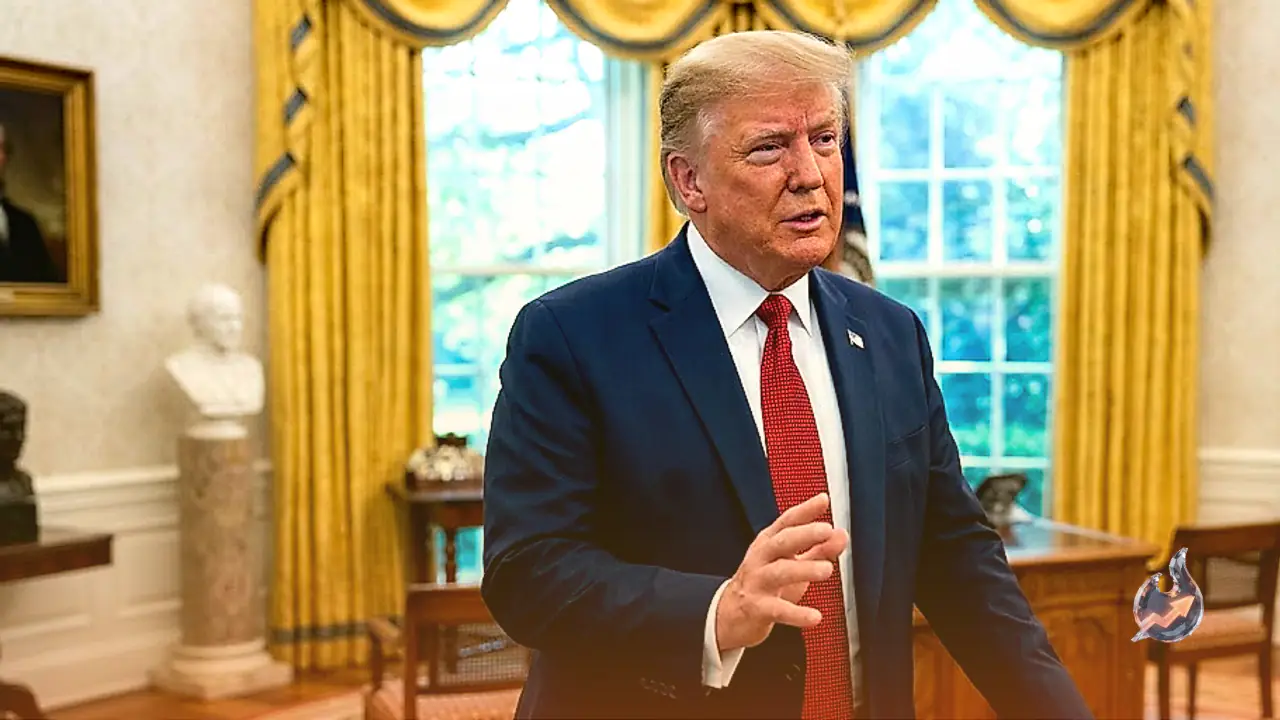

A three-day halt in mutual military strikes between the United States and Iran has opened a potential diplomatic window, with US President Donald Trump stating that friendly negotiations are currently taking place regarding the conflict. Speaking to reporters aboard Air Force One on Monday, Trump expressed optimism about ending the fighting, suggesting there is a reasonable likelihood of reaching an outcome. However, he cautioned that Washington stands ready to resume its previous military campaign if the current round of talks fails to yield results.
Iranian Denial and the Origins of the Pause
In contrast to the statements from Washington, officials in Tehran have explicitly denied participating in any direct talks with the US administration. Trump explained that his decision to suspend US airstrikes against Iranian targets on Friday came after mediating nations requested additional time to give diplomacy another chance. This pause follows nearly two weeks of intensive daily US air raids and retaliatory strikes that undermined the preliminary ceasefire established in June. At the time of those operations, the US military stated its strikes were specifically aimed at degrading Iran's capacity to threaten commercial shipping traffic through the Strait of Hormuz, a crucial global maritime corridor for oil transportation.
Munitions Stockpiles and Defense Production
During his press conference aboard the presidential aircraft, Trump also pushed back against media reports suggesting that five months of continuous military operations had severely depleted Pentagon ammunition reserves. He insisted that the US inventory contains substantial quantities of munitions, including mid-level defense systems, exceeding what would be needed under any scenario. He specifically highlighted that manufacturing for Patriot anti-ballistic missile systems is being scaled up rapidly to maintain readiness.
Confirming this posture, White House spokesperson Anna Kelly issued a statement asserting that the US military maintains more than sufficient stockpiles to fulfill all strategic objectives set by President Trump. Kelly noted that Operation Epic Fury demonstrated the consequences of opposing US power, while adding that the president has directed domestic defense contractors to continually boost the production of American-made weaponry.
Timeline of Escalation Since February
The current phase of the regional conflict began on February 28, when joint US and Israeli strikes targeted assets inside Iran. Tehran responded by launching salvoes of ballistic missiles and armed drones against US military bases situated across Gulf partner states, as well as targets within Israel. By June, both nations signed a memorandum of understanding designed to halt military actions, restore commercial transit through the Strait of Hormuz, and establish a framework for a permanent peace agreement within 60 days.
That agreement broke down on July 13 when Iranian forces launched attacks on maritime tankers in the waterway. Washington responded by reinstating its naval blockade of Iranian ports and launching a fresh campaign of aerial bombardment. Tehran subsequently carried out retaliatory strikes against US facilities throughout the Middle East, resulting in the deaths of four American military personnel, while Iranian health ministry officials report that US strikes have killed dozens of people.