






















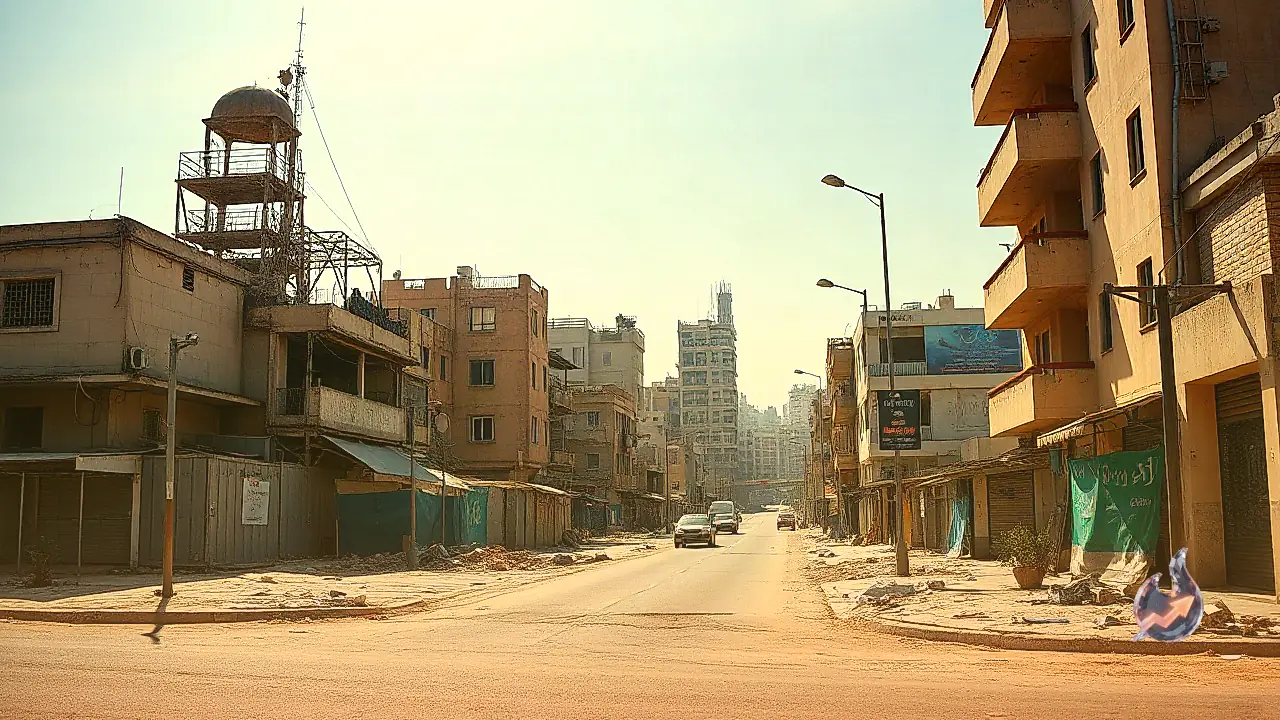

Persistent military strikes across the Gaza Strip have resulted in the deaths of over 900 people this calendar year, despite a formal ceasefire agreement being in effect. According to updated documentation provided by the territory's health ministry, more than 1,300 Palestinians have lost their lives since the truce was established on 10 October, a figure that includes 301 children. The ongoing fatalities highlight severe challenges in maintaining the cessation of hostilities agreed upon by both warring parties.
Mounting Fatalities Following the Trump Peace Accord
The formal end to full-scale warfare was intended to follow the acceptance by Israel and Hamas of a 20-point peace blueprint proposed by US President Donald Trump. A key provision of this agreement specified the complete suspension of all offensive military actions, including air strikes and artillery bombardments. However, casualty records indicate sustained lethal incidents throughout recent months, with monthly tolls exceeding 100 fatalities consistently between April and August.
While the health ministry attributes these deaths directly to Israeli armed action, its published records do not separate civilian casualties from combatant deaths. United Nations officials consider the ministry's mortality reporting generally reliable, and independent researchers have confirmed that their own tracking aligns with these metrics. In response, the Israel Defense Forces (IDF) challenged the conclusions, stating there is no basis to attribute every reported death to IDF actions. The military maintained that its operations are strictly tailored to neutralize imminent security threats and protect troops in compliance with the agreement, while taking measures to minimize civilian harm.
Monthly Breakdown and Military Activity Reports
Initial figures recorded between the 10 October ceasefire start date and the conclusion of that month stood at 251 deaths. Continuous monthly casualties followed, reaching a peak in July when 152 fatalities, including 21 children, were reported. On the military front, the IDF confirmed that five of its personnel have died in combat since the truce took effect, along with one contractor who died in an operational accident. The IDF further reported that it has eliminated hundreds of armed operatives over the same timeframe.
Data compiled by the Armed Conflict Location and Event Data project (Acled) reveals approximately 200 targeted Israeli strikes during the truce period aimed at armed militants. Acled noted that several of these actions targeted key commanders associated with the 7 October 2023 cross-border attacks, which originally sparked the war by killing roughly 1,200 people and resulting in 251 hostages being taken. Hugh Lovatt, a senior policy fellow at the European Council on Foreign Relations, observed that Gaza has experienced a truce in name only, as regular aerial bombardments continue to inflict a heavy toll on the civilian population.
Specific Strikes on Public and Residential Areas
Video evidence from multiple incidents underscores the human impact of recent operations. On 18 August, a strike targeting a beachfront cafe in Gaza City resulted in six deaths. The following day, an attack on a police building in the al-Tuffah district claimed nine lives, including that of a 13-year-old child. The IDF reported that both operations targeted active Hamas commanders and involved standard precautions to protect non-combatants.
Another high-fatality event occurred in July in Nuseirat, where a strike hit a reported funeral procession. Records from Al-Awda Hospital showed seven fatalities and 22 injuries from that incident. IDF sources stated the target was a senior operative from Palestinian Islamic Jihad involved in the 7 October actions. Additionally, an overnight strike on 1 August against an apartment complex on the western edge of Gaza City resulted in the deaths of a pregnant woman, her husband, and their young child, with rescuers recovering the remains of an unborn infant from the debris.
Impact on Children and Humanitarian Workers
Child casualties remain a critical concern, with Unicef recording more than 300 child deaths since the implementation of the ceasefire. Unicef global spokesperson James Elder described the casualty numbers as devastating, emphasizing that hundreds of additional children have suffered serious injuries during what was meant to be a protective truce period.
Aid workers have also been caught in the violence. In April, two water delivery drivers contracted by Unicef were killed by military fire at the Mansoura water distribution site in northern Gaza. The IDF stated its forces engaged individuals approaching a designated boundary without prior coordination, whereas Unicef clarified that the personnel were performing routine, pre-scheduled water deliveries. Data from the Aid Worker Security Database indicates that 22 humanitarian personnel have been killed in Gaza since 10 October 2025.
Independent Monitoring and Expert Evaluation
Independent research organizations monitoring conflict casualties have validated the trend of high mortality during the truce. Emily Tripp, director of the open-source research group Airwars, confirmed that her team logged over 60 fatal incidents in July alone, representing the highest monthly total of fatal events recorded since the ceasefire began.
Academic experts also support the credibility of the reporting structure. Professor Michael Spagat of Royal Holloway, University of London, who chairs the charity Every Casualty Counts, explained that the health ministry's data remains verifiable due to the inclusion of full names, ages, and identification numbers. Spagat noted that monthly casualty figures since April have remained approximately double the levels recorded in December, indicating a sustained pattern of lethal conflict despite official peace commitments.