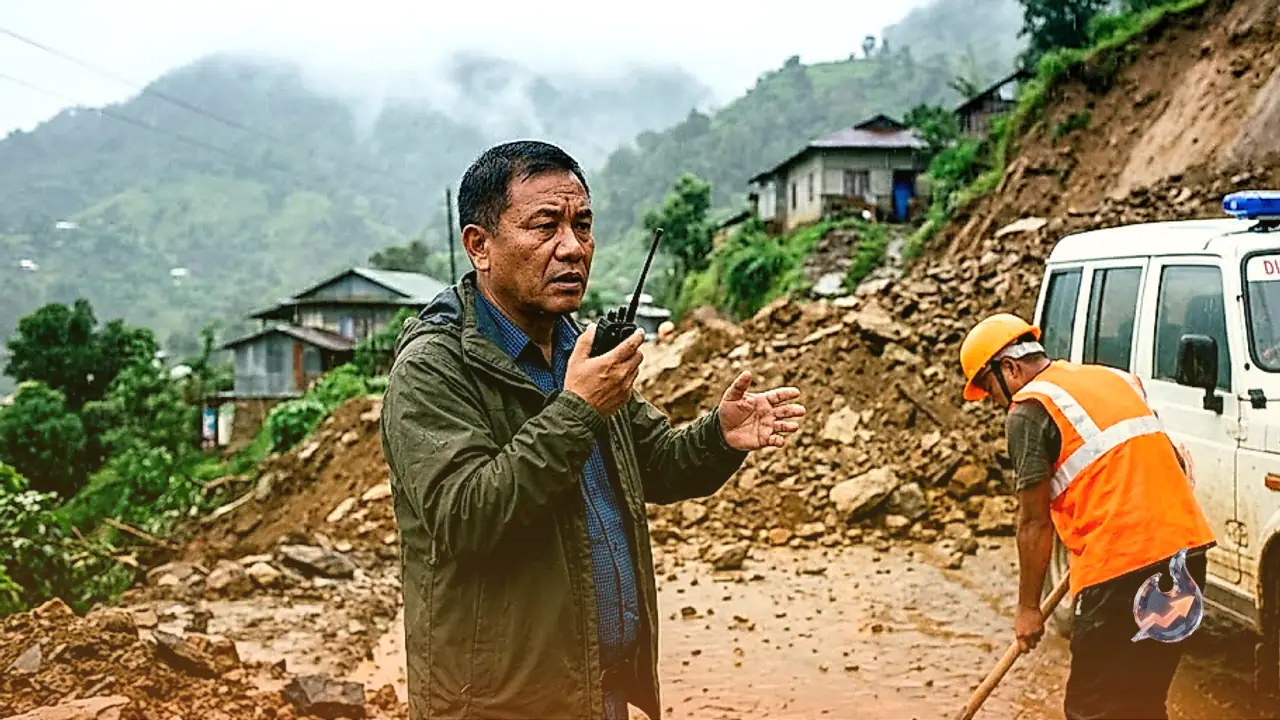
















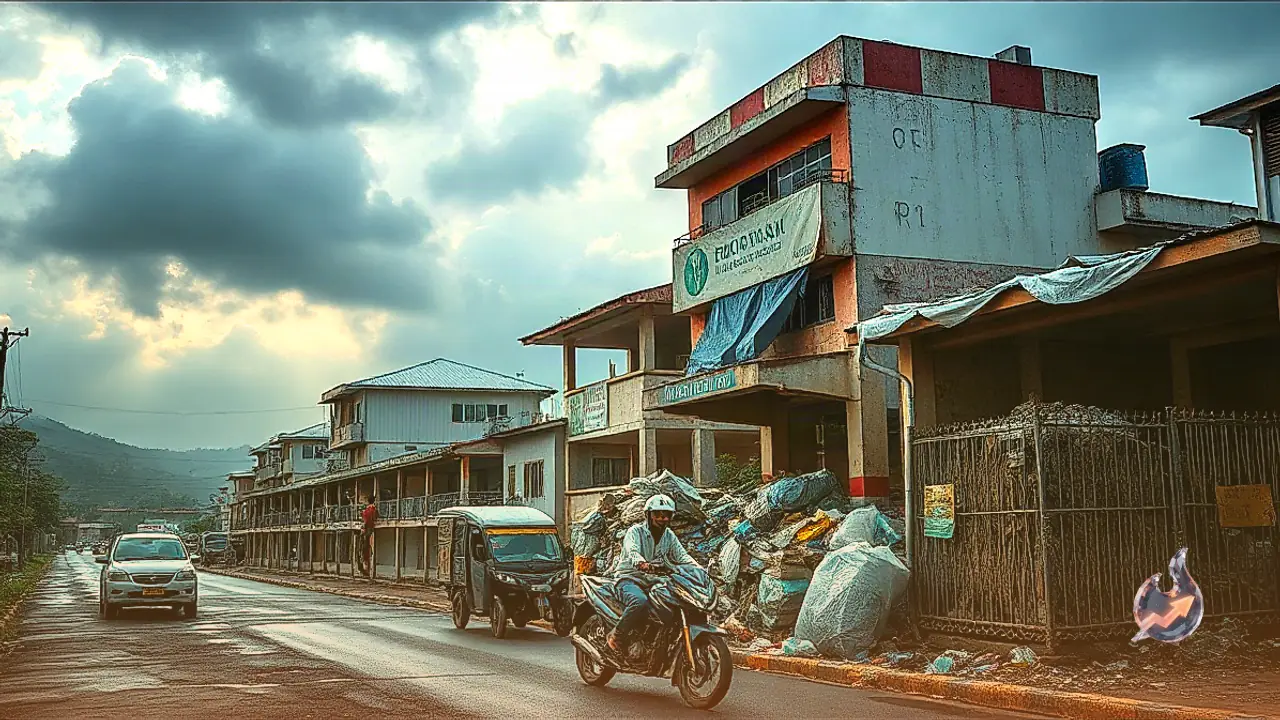

Mizoram's capital city, Aizawl, has officially rolled out a new waste management initiative that splits garbage collection into four distinct categories. This strategic change aims to enhance solid waste handling and significantly improve recycling rates across the municipality, as announced by local officials on Friday.
Understanding the New Waste Segregation Categories
Under this upgraded framework, waste generated by households and other establishments will no longer be lumped together but will instead be divided into wet, dry, sanitary, and special-care categories. Wet waste will encompass all types of biodegradable material that can decompose naturally. Conversely, dry waste will comprise non-biodegradable items that are suitable for recycling.
The other two categories address safety and health. Sanitary waste comprises non-biodegradable personal hygiene items that require extremely careful handling during disposal. Special-care waste covers hazardous materials that could pose immediate threats to either public health or the surrounding ecological environment. To prevent cross-contamination, each of these four groups will be gathered in designated, separate containers and then transported, processed, and treated independently.
Moving Away From the Two-Stream Segregation System
Prior to this rollout, Aizawl relied on a simpler two-stream segregation method. Under that older setup, residents only had to separate their trash into wet biodegradable waste and dry non-biodegradable or recyclable items. This transition represents a major step forward in municipal sanitation management.
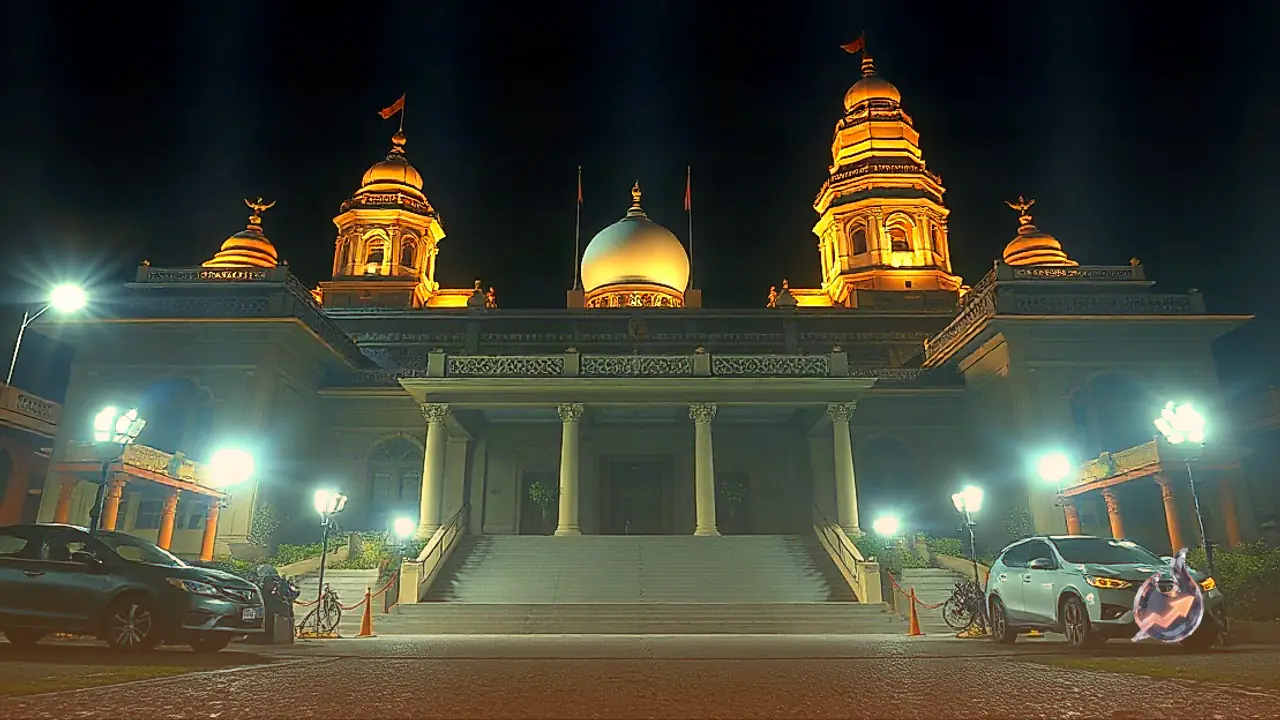
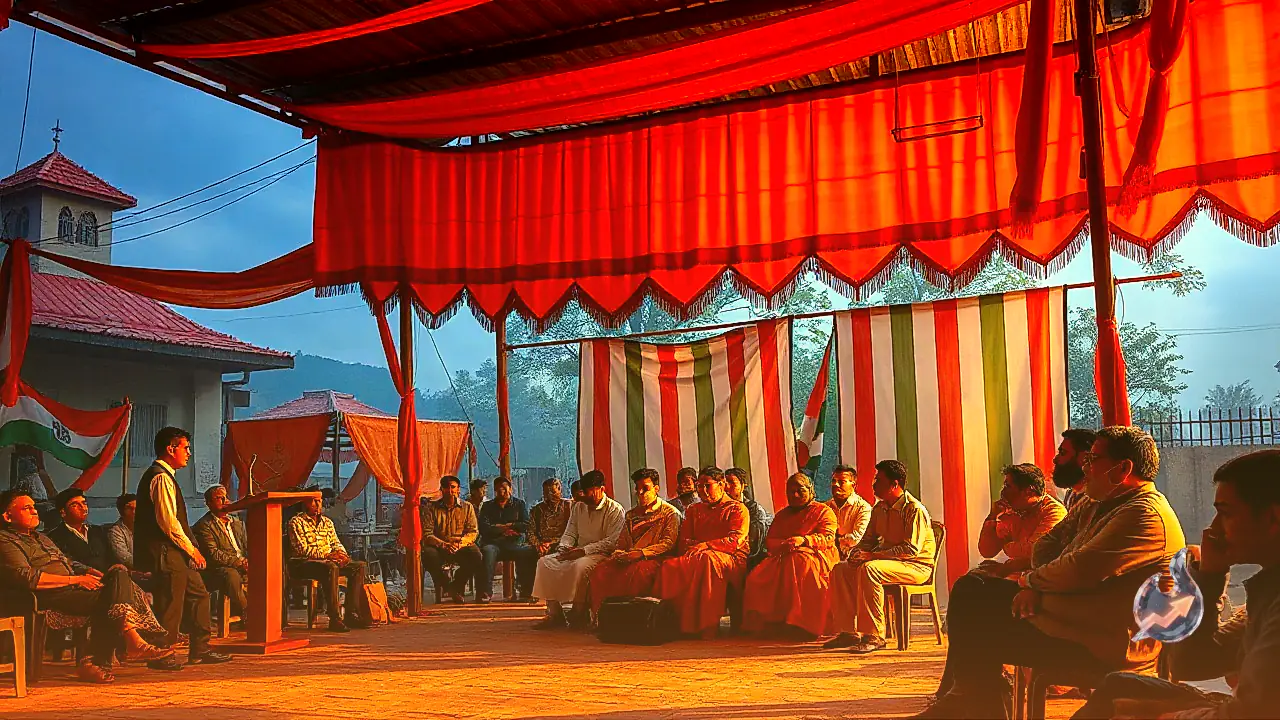
The official launch of this revamped system took place on Thursday at the Aizawl Municipal Corporation (AMC) Auditorium located in Thuampui. The high-profile event was attended by Mizoram's Urban Development and Poverty Alleviation Minister K Sapdanga alongside Chief Secretary Khilli Ram Meena.
Implementation Scope and Legal Compliance
This fresh environmental initiative has been structured in compliance with the Solid Waste Management Rules, 2026. At the onset, the municipal administration is launching the four-stream collection model within seven selected wards out of the total 19 wards that fall under the jurisdiction of the Aizawl Municipal Corporation.
During his speech at the launch ceremony, Minister K Sapdanga emphasized that the cleanliness of an urban area serves as a direct indicator of its overall development. He appealed directly to local residents, community-based organisations, and church bodies to actively collaborate with authorities to ensure the long-term success of the updated program.
Harnessing Local Values and Economic Returns
Minister Sapdanga pointed out that Aizawl has already earned a reputation as one of the cleanest cities in India. He urged the AMC corporators and administrative staff to work tirelessly alongside the public to maintain this prestigious status. He also invoked the traditional Mizo cultural value of 'Tlawmngaihna', a philosophy centered on selflessness and voluntary service, as a guiding force to foster civic responsibility among the populace.
Highlighting the financial and environmental viability of waste processing, AMC Assistant Architect Veronica Vanlalhriata shared remarkable data from the past two years. She revealed that the municipal body successfully manufactured 464.395 tonnes of organic compost utilizing the biodegradable waste collected from across Aizawl. This massive composting drive has not only kept waste out of landfills but has also generated more than Rs 26 lakh in revenue for the local administration.