
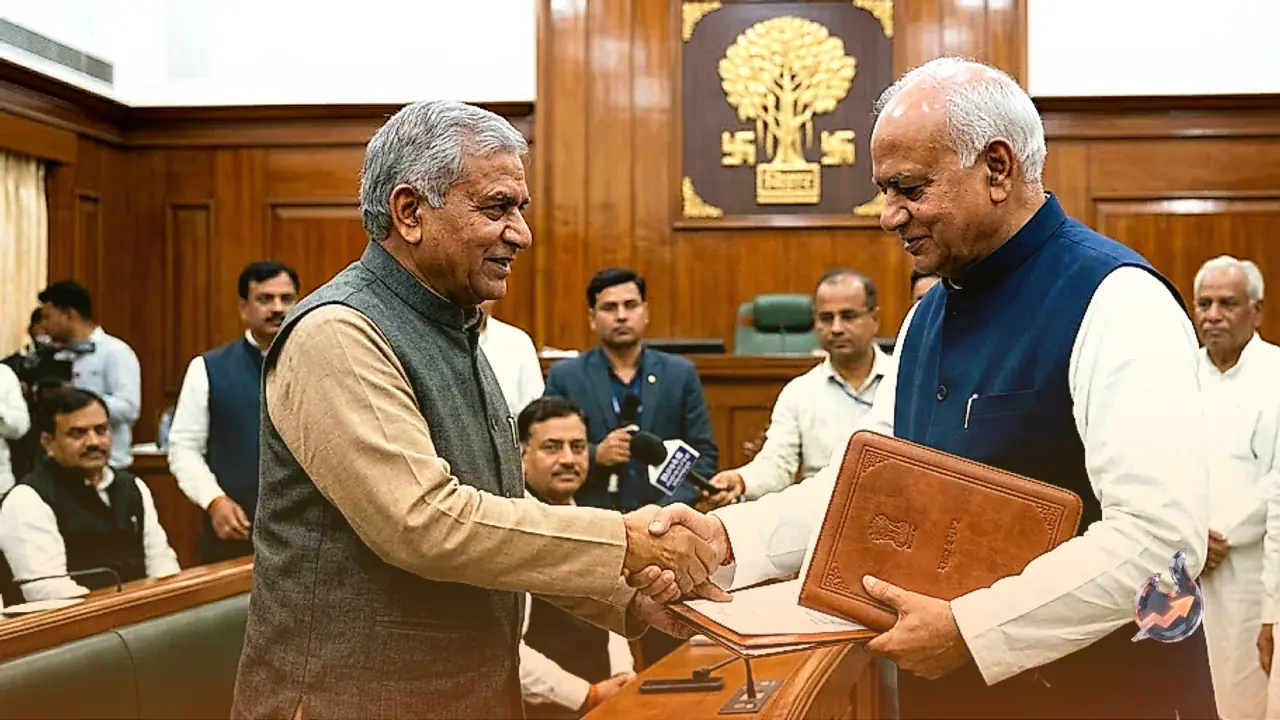















Mizoram has put into motion a comprehensive three-year action plan designed to curb illicit drug trafficking and tackle substance abuse across the state. The strategic framework was formally unveiled during a high-level event held at the Assembly Annexe in Aizawl. Alongside the policy rollout, state authorities officially recognized Tlangmawi, situated in Khawzawl district, as Mizoram's first drug-free village, handing over a formal certification to celebrate the local community's dedicated achievement.
Mobilizing Community Partnerships and Administrative Will
The launch event brought together cabinet ministers, senior administrative and police leadership, church representatives, non-governmental organizations, and student groups, all focusing on a unified response against narcotics. Governor General Vijay Kumar Singh initiated the statewide action plan, observing that the fight against drug networks demands persistent, dedicated involvement from every quarter of civil society rather than relying solely on policing.
Governor Singh referenced the central government's 100-week Nasha Mukt Bharat Sankalp Abhiyan, which was launched on August 2, 2026. He noted that Mizoram's state-level roadmap aligns closely with this broader national movement, directing substantial energy toward youth protection through public awareness, local vigilance, and early preventive measures. Emphasizing that this initiative is only the starting phase, he stated that tangible results would become visible over the three-year timeline, provided all societal stakeholders actively participate with a positive mindset.
Frontier Surveillance and the Tlangmawi Model
Highlighting the success of Tlangmawi, Governor Singh commended the village for demonstrating the potential of grassroots unity and disciplined community action. He encouraged towns and villages across Mizoram to emulate this model. Given Mizoram's strategic geographic location and its sensitive international border, the Governor noted that the state shoulders a vital responsibility to thwart the transit of illicit contraband into India. He pointed to operational interventions such as Operation Jericho, launched to disrupt cross-border narcotics corridors, and specialized facilities like the Hulhliap Short Stay Centre, which delivers short-term medical detoxification and recovery services.
Home Minister K. Sapdanga presented the official drug-free village certificate to Tlangmawi Village Council representatives. Sapdanga affirmed that the newly launched framework reflects an intensified resolve by the state government to safeguard residents from the harms of illicit substances. He made clear that law enforcement agencies must expand their focus beyond street-level peddlers and illicit drug couriers, demanding thorough investigations that penetrate the upper tiers of organized narcotics rings.
Seizures Exceeding Rs 846 Crore and Enforcement Metrics
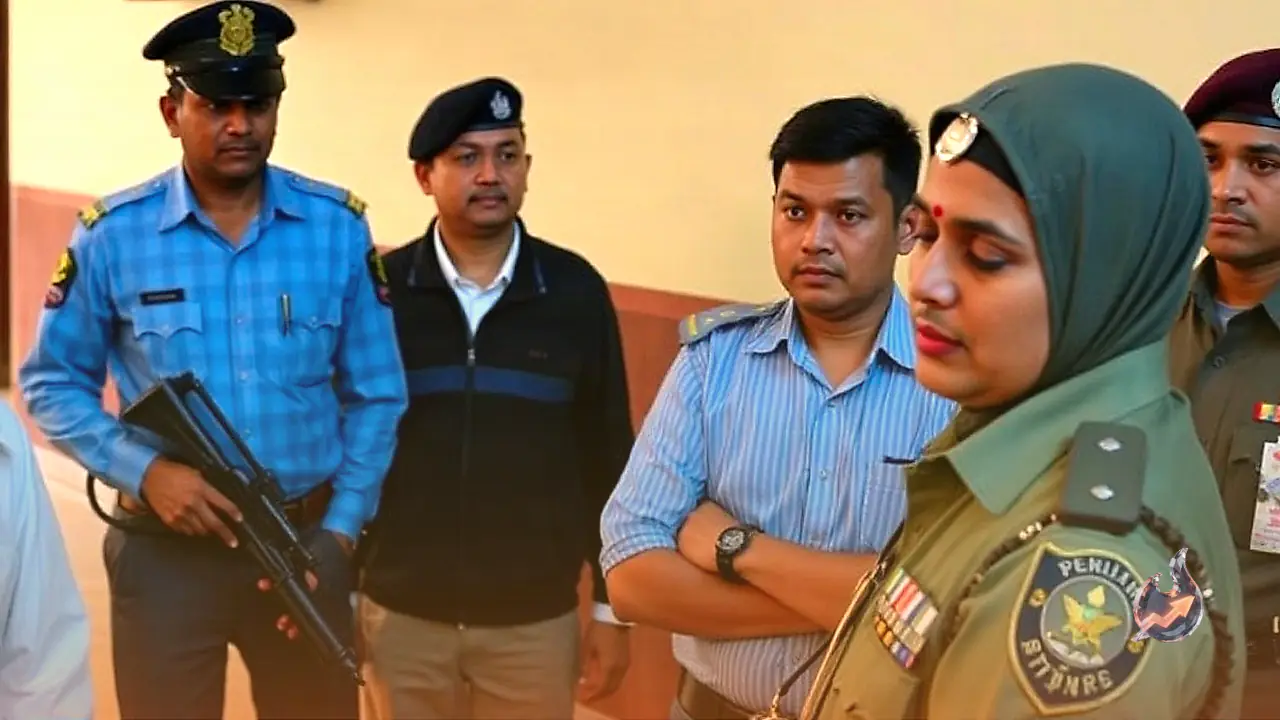
Sharing key operational statistics, Home Minister K. Sapdanga revealed that authorities registered 635 cases under the Narcotic Drugs and Psychotropic Substances (ND&PS) Act between January and August 2026. Law enforcement personnel apprehended 930 individuals in connection with these offenses, a tally that includes 111 foreign nationals. Over the same eight-month stretch, intercepted illicit substances valued at more than Rs 846 crore were seized by enforcement units across various operational sectors.
While advocating strict punitive measures against commercial traffickers and syndicate operatives, Sapdanga underscored the necessity of empathy and medical support for individuals dealing with chemical dependency. He emphasized that people navigating addiction require accessible care and rehabilitative assistance to successfully reintegrate into mainstream society. He additionally called for reinforced sensitization drives across schools and collegiate institutions to insulate younger demographics from substance abuse risks.
Perspectives from Frontline Enforcement and Local Leadership
The gathering featured firsthand accounts detailing enforcement hardships, rehabilitation, and grassroots prevention. David Lalrinawma, representing the Mizoram Drug Users Forum, shared insights into his personal road to recovery. Detailing the ground reality along the Indo-Myanmar border, Zirthanga Pachuau, officer-in-charge of Zokhawthar Police Station, outlined the complex operational hurdles encountered while interdicting narcotics along frontier transit routes.
Tlangmawi Village Council president Laltlanchhuaha explained the systematic local steps and community resolve that enabled his village to secure its drug-free designation. The event opened with welcome remarks by Seju P. Kuruvilla, Inspector General of Police for the Anti Narcotics Task Force, who accompanied presentations explaining the operational blueprint of the three-year action plan. Director General of Police Sharad Agarwal underscored the imperative of seamless cooperation between civil departments, police personnel, and local bodies. Social Welfare Minister Lalrinpuii was also among the senior dignitaries attending the assembly.