




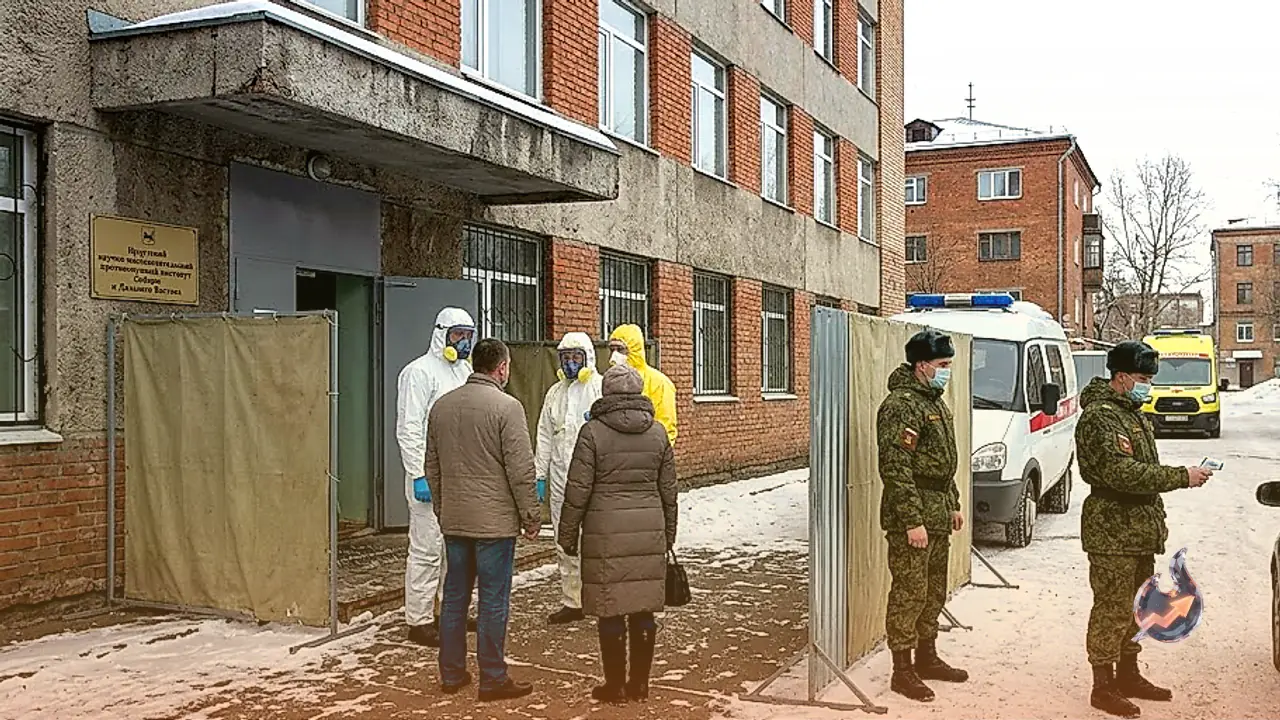
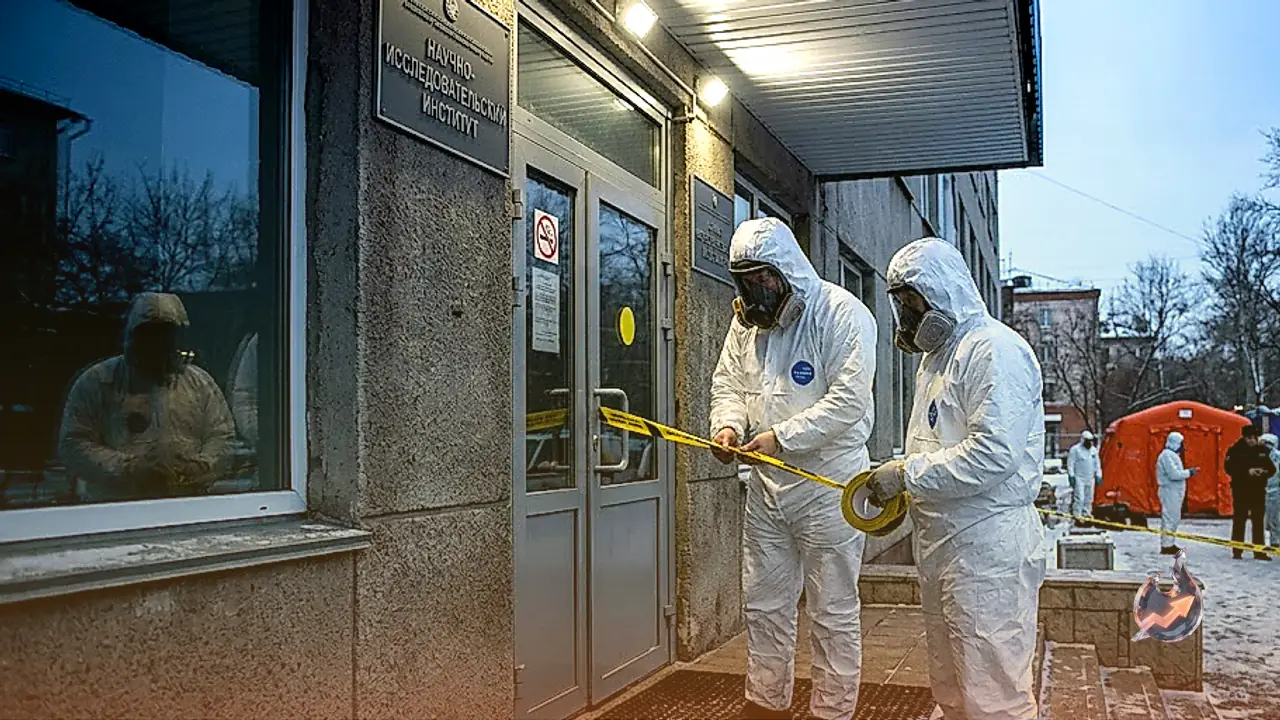

















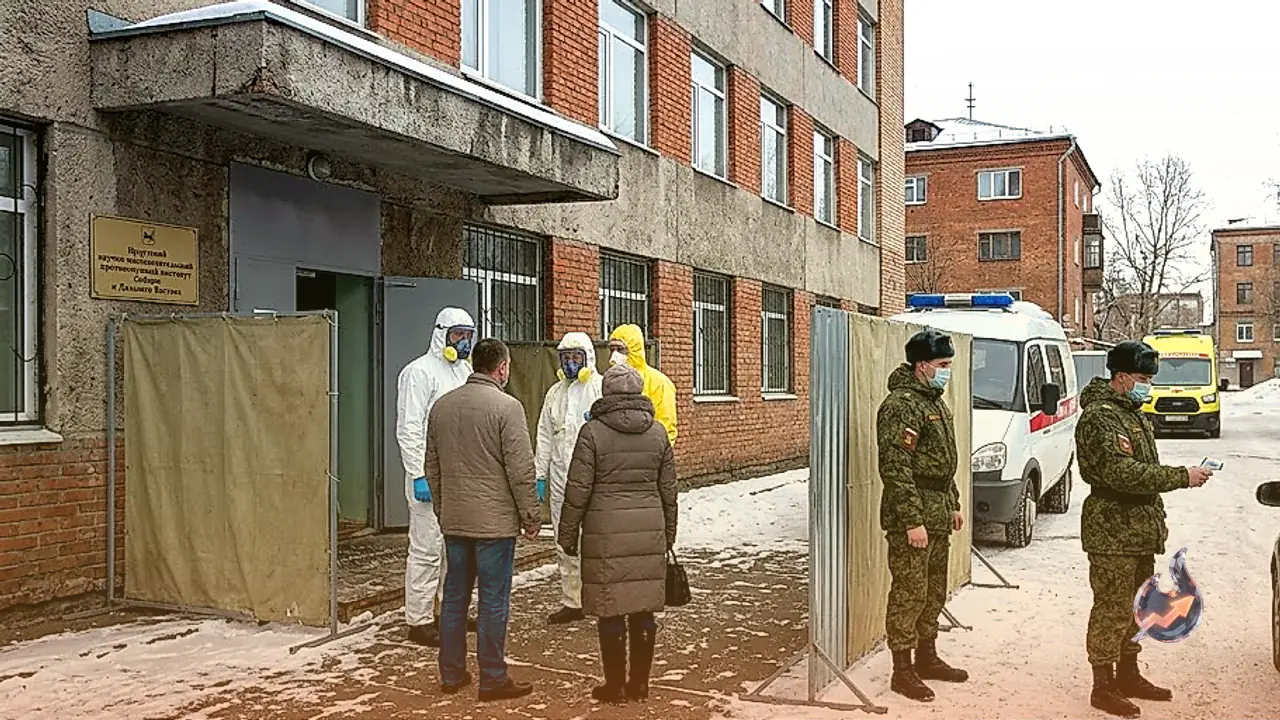

Heightened surveillance and precautionary health protocols have been initiated in Russia's Siberian territory of Irkutsk following the death of a 28-year-old research worker connected to an anti-plague scientific institute. The suspected case of pneumonic plague has captured global attention, not because of widespread public contagion, but due to the hazardous profile of the underlying pathogen and the technician's reported workplace exposure to plague bacteria.
The Laboratory Incident and Timeline
Account records indicate that Daria Shipilova, a laboratory technician employed at the Irkutsk Anti-Plague Institute, became severely unwell shortly after an incident on September 25, when a test tube housing pneumonic plague bacteria reportedly shattered. Her medical condition deteriorated rapidly over the subsequent days, leading to her death on October 2. Because the incident involved direct handling of high-risk biological material, the circumstances immediately raised red flags among epidemiologists.
Official Russian Statements and Clinical Findings
A notable distinction exists between the circulating incident reports and the formal declarations issued by Russian health regulators. Rospotrebnadzor, the public health and consumer oversight body of the Russian Federation, stated that the patient had been clinically diagnosed with pneumonia of undetermined etiology. Public health officials have withheld any formal confirmation of plague and noted that diagnostic testing failed to reveal microorganisms linked to her specific research duties at the facility.
Contact Tracing and Medical Isolation Protocols
Regardless of the diagnostic ambiguity, regional authorities moved swiftly to prevent any chance of secondary exposure. Rigorous infection-control interventions were enforced across the area. Approximately 200 individuals identified as potential contacts of the deceased worker were placed under direct clinical observation or strict isolation. Regional medical centers also enacted heightened ward restrictions to contain respiratory infection pathways.
Surveillance by Washington and Global Agencies
The situation in Siberia is being closely observed by United States officials. A Trump administration official confirmed that the US government is tracking reports originating from Irkutsk and is evaluating potential responses. Concurrently, the US State Department announced that it is assessing the suspected development in coordination with the Centers for Disease Control and Prevention.
Transmission Dynamics of Yersinia pestis
Plague is an infectious disease triggered by the pathogenic bacterium Yersinia pestis. Under natural environmental cycles, the microbe circulates among small wild mammals and their resident flea populations. Human transmission typically occurs via flea bites or direct physical contact with contaminated biological fluids and tissue. In its pneumonic manifestation, the pathogen transfers directly through inhaled respiratory droplets. The clinical spectrum of the illness is divided into three primary categories: bubonic plague, septicemic plague, and pneumonic plague.
Clinical Severity of Pneumonic Infections
Among the clinical variants, pneumonic plague represents the most acute danger because it colonizes the pulmonary system and establishes direct person-to-person transmission chains. The disease moves aggressively once respiratory symptoms take hold. According to guidance from the World Health Organization, untreated pneumonic plague can prove fatal within a very short window, whereas prompt administration of modern antibiotics provides high clinical efficacy and dramatically lowers mortality. This stark window of intervention explains why public health teams take even isolated laboratory scares with utmost seriousness despite the lack of verified wider circulation.
Pandemic History and Century-Long Patterns
Plague holds an extensive footprint in global public health history. The World Health Organization records three defining plague pandemics across human annals. The initial wave, known as the Plague of Justinian, swept through populations during the sixth century. The second historical wave, the 14th-century Black Death, decimated communities across multiple continents and caused tens of millions of fatalities. The third pandemic erupted out of China during the late 19th century before disseminating globally.
Over the past 100 years, human society has avoided a fourth worldwide pandemic of comparable magnitude. The modern era has instead been marked by regional, recurring outbreaks rather than unchecked planetary spread. Madagascar continues to register regular seasonal cases; in 2017, the island nation combated a major crisis that yielded over 2,300 confirmed, probable, and suspected infections alongside more than 200 fatalities by November, driven heavily by pneumonic presentations. India similarly underwent a severe health panic in 1994 centered on Surat and Beed, though scientific reviews subsequently debated whether Yersinia pestis was truly isolated and responsible for the entire wave.
For the moment, the Siberian occurrence remains a suspected localized case rather than an uncontrolled contagion. Ongoing priorities center on thorough laboratory diagnostics, close tracking of isolated contacts, and establishing whether the fatal pneumonia was definitively linked to the reported test tube break.