



















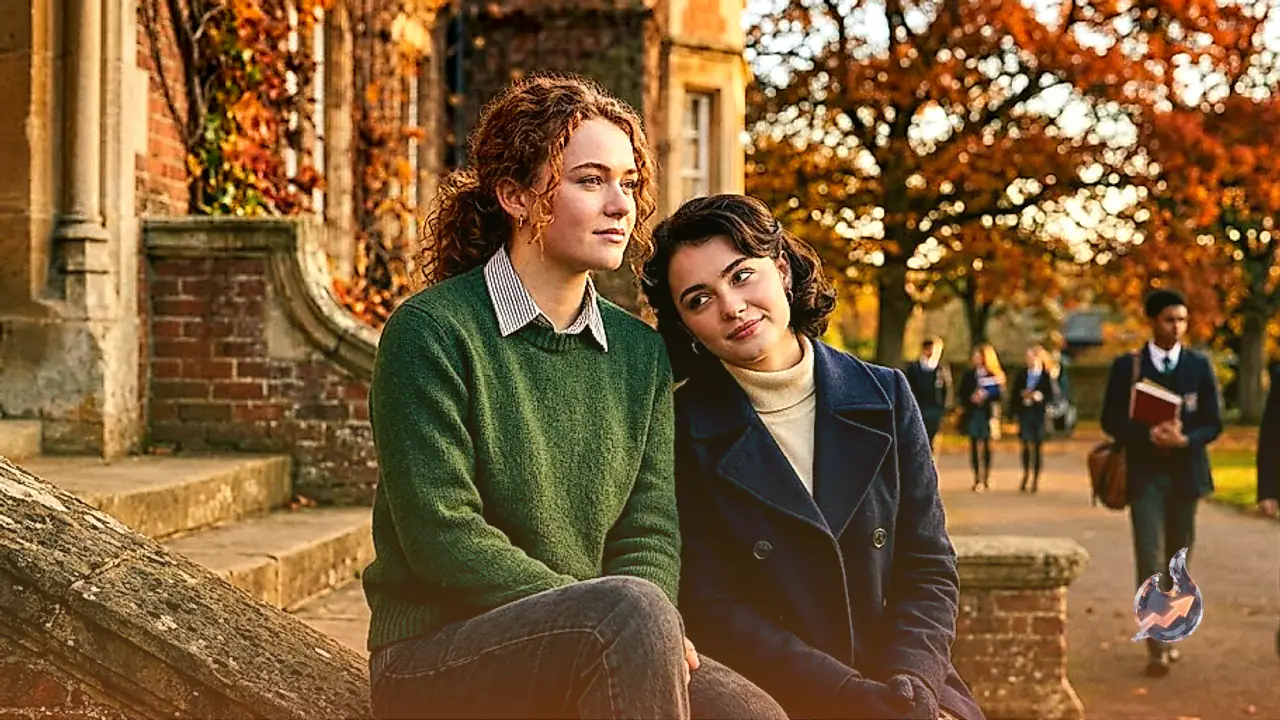

In an insightful take on the transition from girlhood to adulthood, Molly Manners' directorial debut arrives with a distinct cinematic voice, making this Extra Geography review a celebration of nuanced teen storytelling. The underlying spirit recalls Charli XCX's candid lyric, "It’s so confusing sometimes to be a girl." The picture carves out its own memorable space alongside notable British productions that treat the emotional lives of young women with genuine weight, examining how intimate bonds form, shift, and inevitably stretch under the weight of growing up.
A Summer Experiment in Growing Up
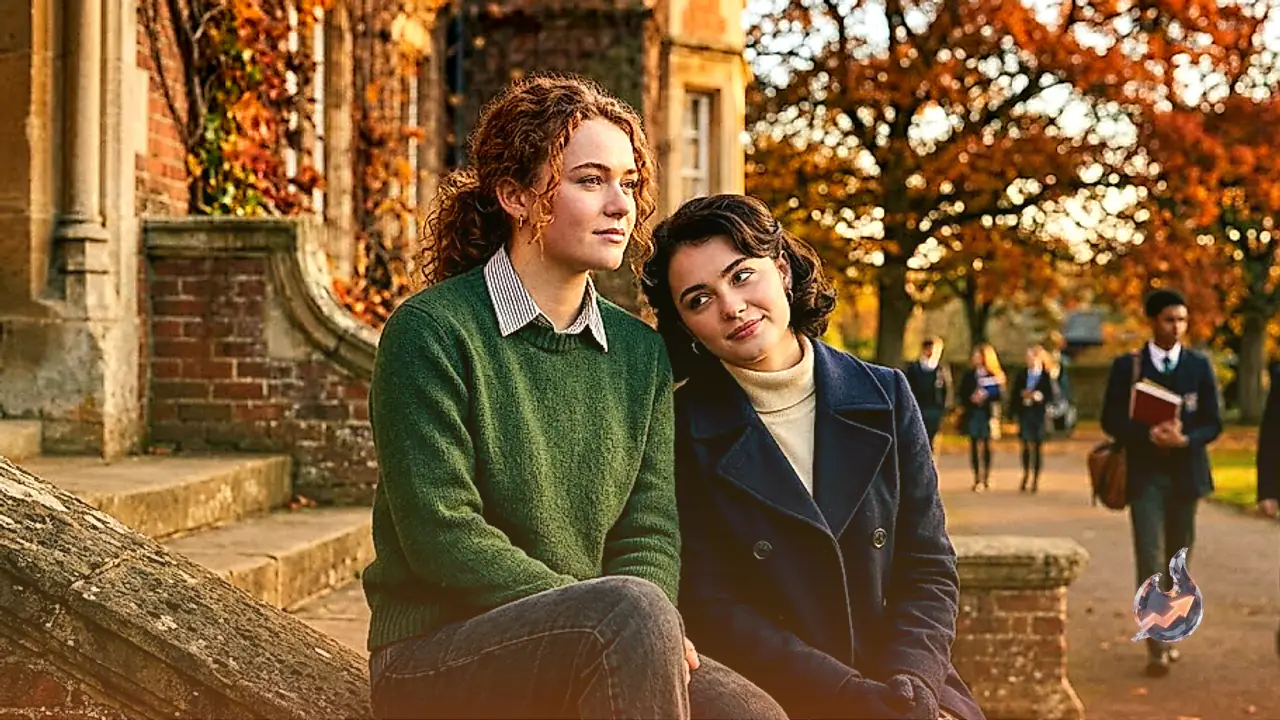
Adapted from Rose Tremain's 2007 short story, the screenplay crafted by Miriam Battye introduces us to two inseparable boarding school companions lounging across a lacrosse pitch. Minna, portrayed with breezy self-assurance by Galaxie Clear, lies alongside the more reserved Flic, played with quiet vulnerability by Marni Duggan. The pair spend their afternoons fretting over pending Oxbridge applications and the intimidating blank slate of their academic futures. Sheltered from typical adolescent distractions like romantic relationships, part-time jobs, or illicit experimentation, their primary ambition is to cultivate personal sophistication. They resolve to undertake a summer project aimed at becoming more worldly: they will make themselves fall in love. Their chosen target for this eccentric endeavour is their perpetually rattled geography instructor, Miss Delavigne, portrayed by Alice Englert.
Theatrical Jealousy and Fractured Bonds
This quest marks the very first rupture in their previously harmonious dynamic. Attention quickly shifts when their boarding school mounts an ambitious staging of William Shakespeare's A Midsummer Night's Dream. Minna secures the coveted spotlight as the fairy queen Titania and begins socialising with male students from an adjacent institution. In contrast, Flic finds herself relegated to playing a silent tree on stage, prompting her to retreat into analysing romance as an obsessive intellectual exercise. As jealousy begins to fester between them, their bond frays under unspoken resentments. Structural choices throughout the feature directly echo the five-act progression of the stage play. However, juggling several divergent narrative threads proves difficult, and across the 94-minute running time, the storytelling loses some of its brisk pacing and razor-sharp bite.
Commanding Leads and Visual Texture
Credit belongs to Manners and Battye for orchestrating teenage emotional turmoil with sharp wit, layered yearnings, and genuinely snappy comedic dialogue. Yet the true anchor of the picture rests on the compelling performances delivered by Clear and Duggan. These young actors bring a lived-in authenticity to the screen, capturing the messy, unvarnished, and unpredictable emotional landscape that defines young women on the brink of maturity.
The cloistered boarding school functions almost like an ornate, sunlit dollhouse suspended outside ordinary space and time. While this environment yields striking and hypnotic cinematography, certain thematic explorations feel somewhat tentative. The narrative gestures toward class disparity, contrasting Minna's casual holiday retreat to Lanzarote against Flic's acute self-consciousness regarding her scholarship status. Subtle hints of sapphic yearning also surface across its dreamy framing. While these dimensions spark curiosity, the screenplay does not fully unpack their deeper complexities. What endures most strongly is an authentic, poignant reminder that an individual's very first romance is frequently the intense devotion shared with their closest companion.