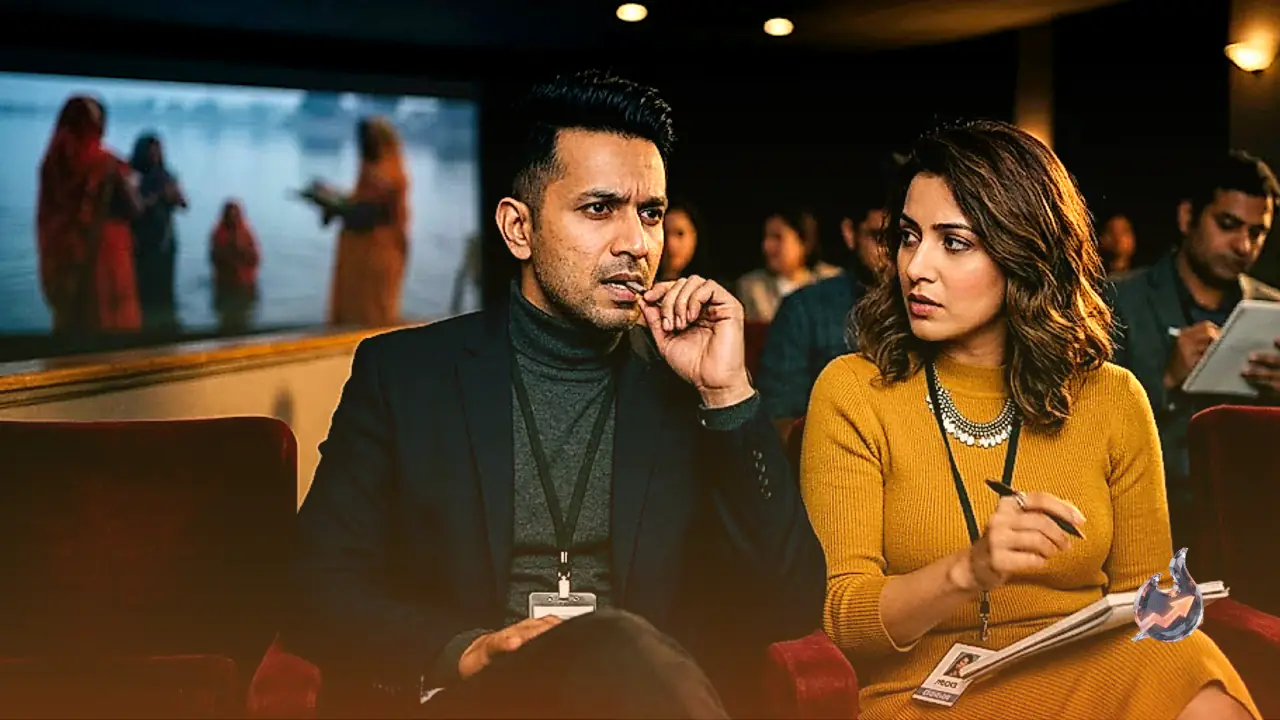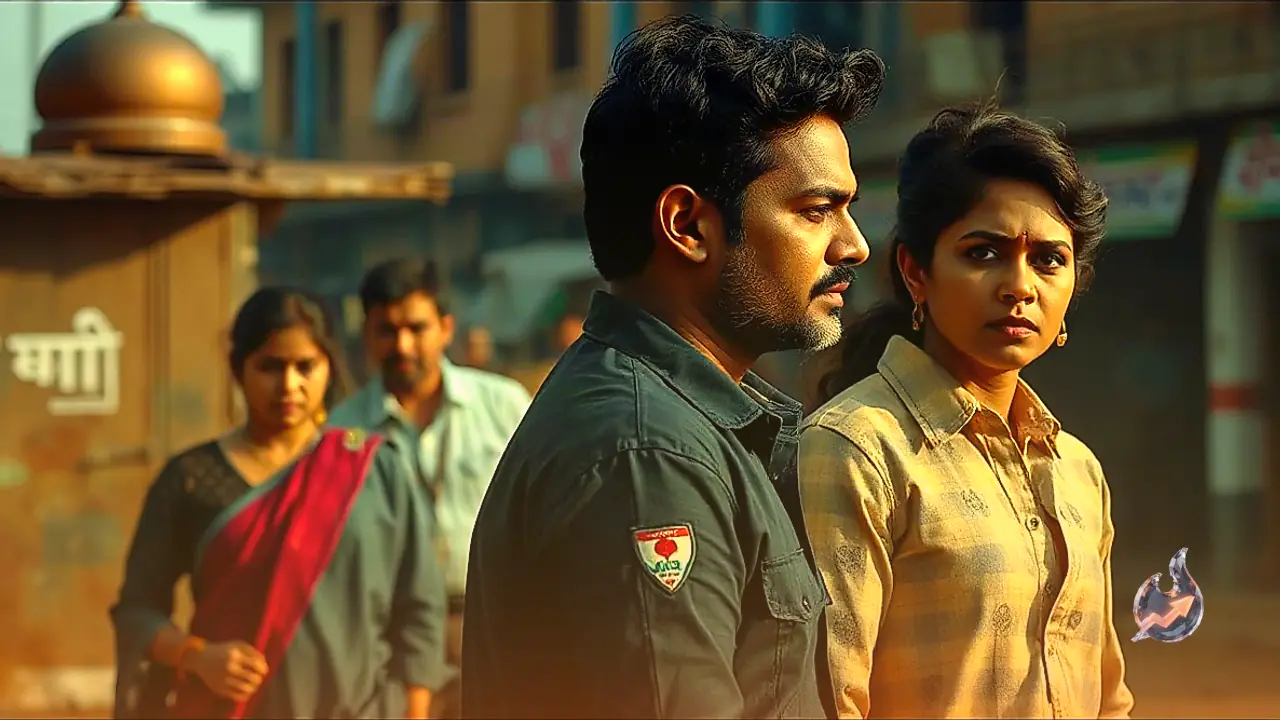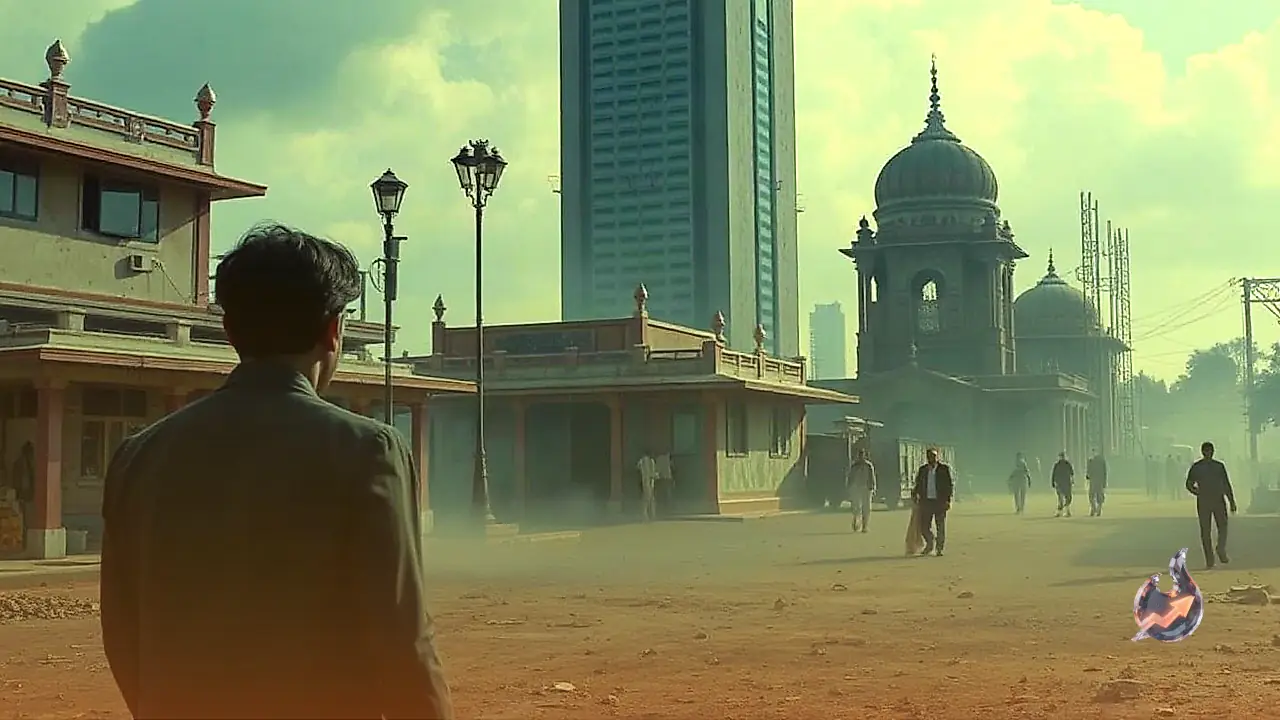




















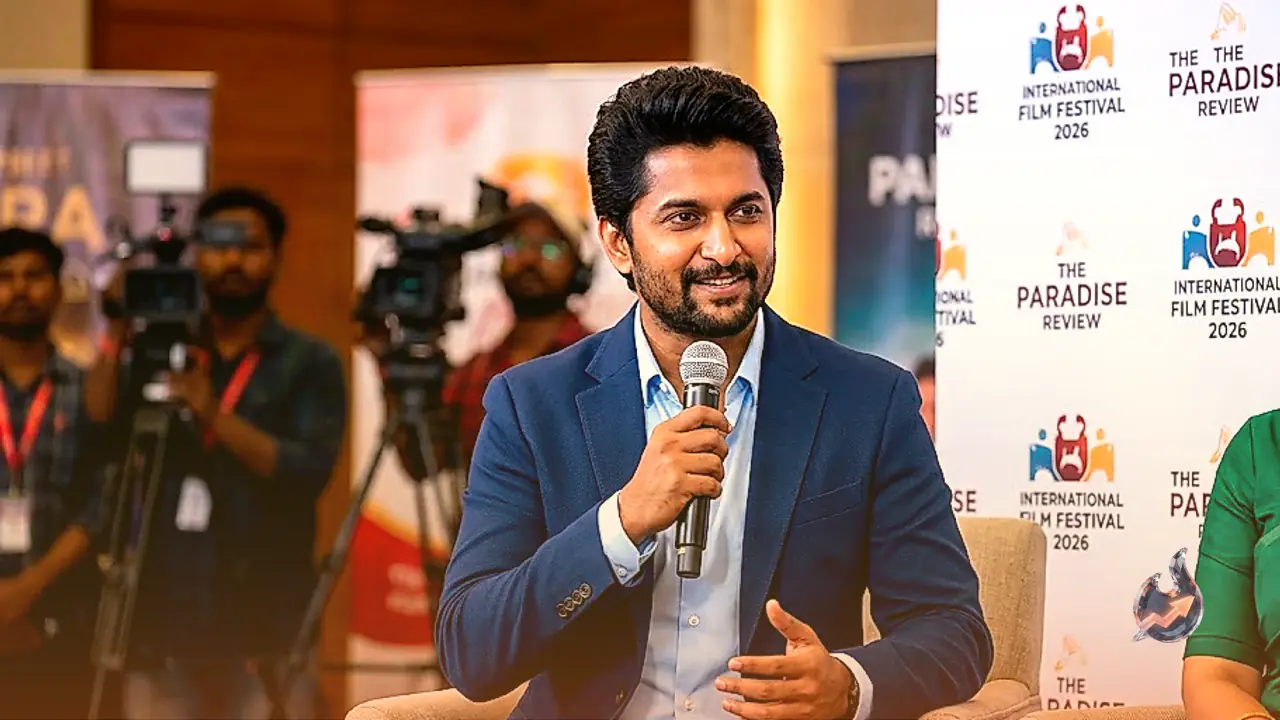

Actor Nani continues his deliberate pivot from relatable family dramas toward gritty, high-stakes action spectacles, and this The Paradise review (2026) closely examines his latest ambitious cinematic outing. Directed by Srikanth Odela and released in theaters on September 24, 2026, the big-budget period drama attempts to weave a grand tapestry of deep-seated exploitation, oppressive power dynamics, traumatic pasts, and brutal vengeance. While the film boasts striking production values and a fiercely committed lead performance, its storytelling choices ultimately prevent it from reaching genuine greatness.
The Bleak Underbelly of 1980s Paradise
The narrative unfolds during the 1980s inside a fictional settlement situated in Secunderabad, carrying the deeply ironic name of 'Paradise'. Far from being any kind of sanctuary, this blighted slum represents a living hell for the marginalized Savari community residing within its confines. Deprived of basic human necessities such as adequate food, proper clothing, shelter, and basic human dignity, the people of this settlement have endured systemic bondage for generations.
Ruling over this destitute populace with an iron fist is Malik, brought to the screen by Mohan Babu. Malik functions as a ruthless despot who exploits the inhabitants financially and physically, stripping them of their collective identity and pride. The environment is depicted as an unforgiving ecosystem where survival demands submitting to relentless cruelty.
Jadal’s Trauma and Fractured Kinship
Rising from the heart of this degraded settlement is Jadal, played with raw intensity by Nani. Having endured systemic cruelty and prolonged imprisonment since his youth, Jadal harbors deep bitterness toward his mother, Shamakka, portrayed by Sonali Kulkarni. Driven by extreme deprivation and the desperate need to keep herself and her young son alive, Shamakka had been forced into prostitution years earlier.
Upon his eventual release from prison, Jadal returns to the slum intending to maintain absolute distance from his estranged mother. However, that detachment quickly crumbles when he witnesses her being publicly degraded in front of the entire community. The humiliation reignites a fierce fury within him, turning his repressed anguish into a path of violent retribution.
From Personal Retaliation to Communal Uprising
Amidst this grim atmosphere, Jadal crosses paths with a gentle young woman, played by Kayadu Lohar, who briefly introduces a sense of warmth and optimism into his fractured world. Yet, the drive for vengeance consumes him. In an audacious opening strike against his oppressors, Jadal decapitates Malik’s unhinged son, Vikram, played by Raghav Juyal.
This shocking act of defiance triggers absolute outrage from Malik, who vows to eradicate the entire Savari community in retaliation. Consequently, Jadal’s personal vendetta broadens into an existential struggle for the liberation, rights, and dignity of his people. Whether Jadal can overcome Malik’s brutal tyranny and genuinely transform this hellish settlement into a true paradise forms the core dramatic spine of the narrative.
Performances: Nani Leads with Conviction
In terms of acting, Nani serves as the definitive anchor holding the project together. Embodying Jadal, he pours intense physical and emotional energy into every frame. The burning rage in his gaze, the quiet grief behind his expressions, and the scars of lifelong trauma are conveyed with absolute authenticity. His screen presence during the action sequences is electric, but his finest moments emerge in the vulnerable scenes shared with his mother.
Sonali Kulkarni delivers an exceptional performance as Shamakka, imbuing her downtrodden character with profound dignity and sorrow. The interactions between Kulkarni and Nani provide the film with an authentic emotional core, which stands out sharply against the rest of the uneven writing.
In contrast, the antagonists fail to leave a lasting impact. Mohan Babu as Malik might appear imposing on paper, but on screen, the character lacks the genuine menace or terrifying aura required to match the film’s grand scale. As a result, the conflict between hero and villain feels surprisingly tepid.
Raghav Juyal attempts to portray Vikram as an unpredictable and sadistic sociopath, but flawed dialogue and comedic mannerisms reduce the character to a caricature rather than a frightening adversary. Meanwhile, Kayadu Lohar has little to work with as the female lead, functioning primarily as a narrative device to inspire the protagonist and participate in musical sequences.
Direction, Excessive Violence, and Screenplay Stumbles
Director Srikanth Odela succeeds in constructing the physical world of the Savari settlement. The opening half immerses the audience in an unforgiving landscape of dust, poverty, and raw brutality. However, the film falters significantly in its thematic treatment and structural pacing.
Rather than grounding the narrative in social resonance and nuanced drama, the filmmaker relies on unrelenting, stomach-churning violence. Visuals depicting extreme cruelty toward pregnant women, children, and the elderly are staged with such graphic detail that viewers are pushed away rather than drawn into the emotional stakes. Furthermore, the action sequences tilt into exaggerated, superhuman spectacles, breaking the grounded realism that the production design worked so hard to establish.
Atmosphere, Visual Comparisons, and Music
The visual world built for the settlement is undeniably detailed, featuring continuous rainfall, muddy alleyways, and bleak, dark lighting that convey an authentic sense of squalor. The styling, makeup, and costume teams have done an impressive job ensuring every character looks weathered by their circumstances.
Nonetheless, the visual aesthetic of perpetual downpours, coal-dusted slums, and a savior complex intertwined with a mother-son melodrama invites immediate comparisons to films like KGF. The progression feels overly familiar, resembling a well-worn savior archetype dressed in darker visual tones.
Composer Anirudh Ravichander acts as an essential lifeline for this sprawling production. His background score injects tremendous vitality into the combat sequences and elevates scenes that otherwise drag. Whenever the narrative loses momentum, his music restores drive, while also underscoring the intimate family moments with sensitivity.
Spanning a running time of nearly three hours, the film struggles under its own weight. The second half drags considerably, losing narrative coherence as the crucial bond between Jadal and his mother fades in and out without satisfying narrative continuity. Ultimately, the lack of a formidable antagonist and an overreliance on graphic violence prevent the feature from realizing its full dramatic potential.