





















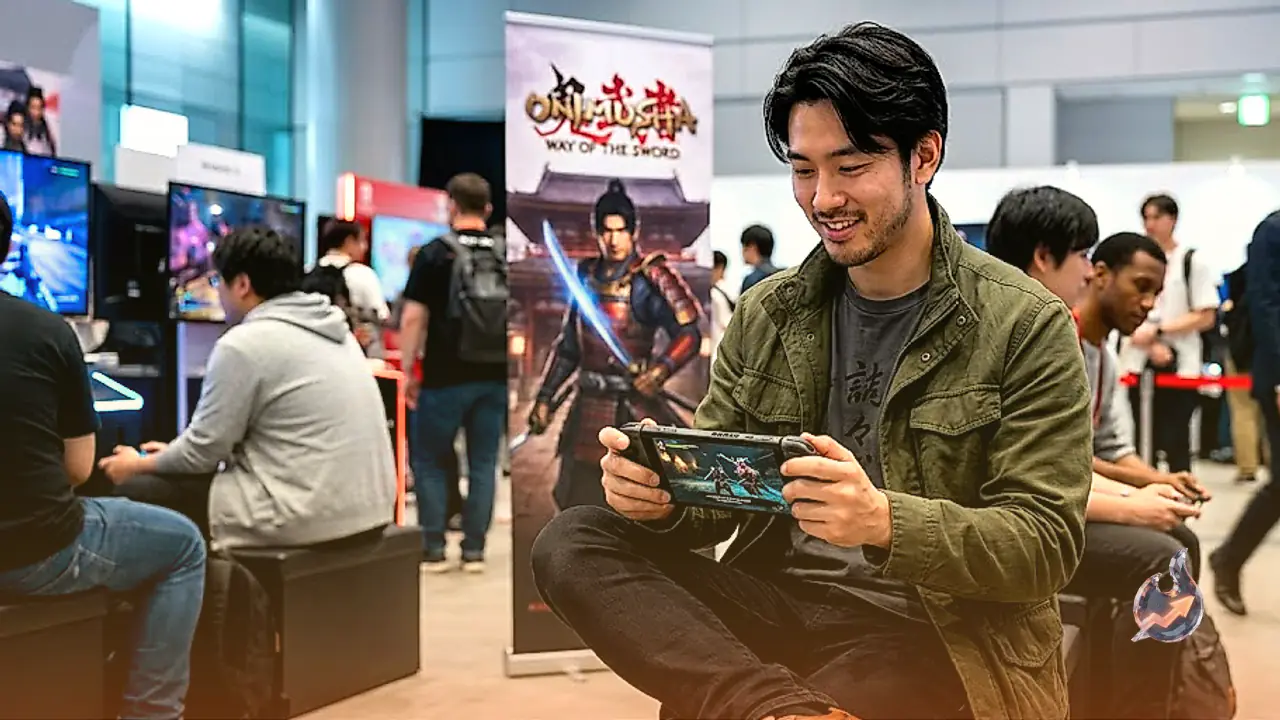

It has been a remarkably long wait since players last experienced a proper entry in the Onimusha franchise. Capcom's samurai-themed action-horror series originally made its splash on the PS2 a full quarter of a century ago, launching with Onimusha: Warlords in 2001. While it enjoyed enough commercial traction to spawn half a dozen sequels and spin-offs by 2006, the property subsequently vanished into obscurity, save for a poorly received browser title and a couple of modern remakes. Now, the series rises from the dead with Onimusha: Way of the Sword, proving to be a resurrection well worth celebrating across platforms like the PS5, Xbox Series X|S, Nintendo Switch 2, and PC.
Ditching Soulslike Tropes for Distinct Identity
While numerous entries in the classic Onimusha lineage essentially functioned as Resident Evil set in feudal Japan, Way of the Sword fully embraces its high-action credentials. It delivers fluid, highly calculated combat that marries pure swordplay with supernatural abilities for added flair. What makes this new installment particularly refreshing is its outright rejection of the modern industry standard dictating that every action role-playing game must emulate Soulslike conventions in a transparent attempt to capture residual Elden Ring enthusiasm. Director Satoru Nihei has consistently pushed back against these comparisons, stressing that the title places equal emphasis on character-driven storytelling and demanding combat mechanics, both of which shine brilliantly in the final release.
Mythology, Personality, and Historical Roots
Unlike conventional Soulslike titles where narrative context is sparse and relegated to scattered lore items while protagonists remain blank slates, Way of the Sword crafts a deliberate tale of samurai horror. It draws deeply from both Japanese folklore and actual history while featuring a cast brimming with distinct personality. Players step into the shoes of Miyamoto Musashi, a historical figure whose visual design draws direct inspiration from legendary actor Toshiro Mifune and his iconic portrayal in Yojimbo. This version of Musashi avoids the trope of the stoic, silent warrior, frequently getting himself into tricky situations, outwitting adversaries with cleverness, and blending intimidating grit with sharp physical comedy. His primary dynamic centers on his ongoing rivalry with Sasaki Ganryu, another prominent historical figure.
The Dynamic Core of Rivals
The intense chemistry between these two adversaries serves as the emotional anchor of Way of the Sword. Their relationship is defined by a constant push and pull, anchored by a begrudging mutual respect that persists even through active hostility. From their opening confrontation resulting in mutual demise after crossing paths with demonic forces, to their subsequent resurrection blessed or cursed with powerful Oni gauntlets, their differing reactions to newly awakened supernatural capabilities drive the core narrative forward.
Precise Combat and the Way of the Sword
An urgent catastrophe looms as the gates of hell threaten to crack open and flood Earth with demonic hordes, setting the stage for Musashi's expanded arsenal. Traditional swordsmanship remains the cornerstone of engagement, consisting of nimble one-handed and two-handed strikes, perfectly timed parries, evasive dodges, fluid deflections, and devastating Break Issen executions delivered once an opponent's stamina is depleted. Meanwhile, the mystical Oni gauntlet enables players to harvest soul energy dropped by defeated Genma demons, which can be used to recover health, purchase upgrades, or power up devastating Oni Armaments. The combat shines by making players genuinely feel the discipline of the blade, requiring careful observation of enemy intentions rather than mindless button-mashing.
Brutal Challenges and Balanced Options
If Way of the Sword borrows any philosophy from titles like Dark Souls, it is found in its unforgiving difficulty curve. Even with visual cues indicating incoming attacks, the demand for absolute precision makes encounters grueling, especially when players must momentarily drop their defensive flow to absorb floating souls for critical health top-ups. Fortunately, Capcom provides flexible difficulty settings, ensuring that players who prefer a narrative-focused journey can still enjoy the experience without hitting an insurmountable wall.
Minor Missteps in Exploration and Padding
The experience stumbles slightly outside of active combat scenarios, though these issues remain minor. Exploration feels somewhat rudimentary, alternating between linear corridors designed for story progression and quasi-open-world hubs. While the tightly structured narrative areas excel, the hub environments occasionally devolve into tedious busywork, mandatory resource grinding, and repetitive side quests. Upgrading equipment like Musashi's sword or gauntlet sometimes demands granular effort that feels disproportionate to the rewards, and a handful of recurring boss encounters can feel padded.
Final Verdict
Despite minor pacing issues caused by repetitive exploration elements, Way of the Sword stands tall as a superior action RPG. It functions as a thrilling samurai simulator underpinned by a compelling narrative and memorable personalities. Players are strongly encouraged to select the original Japanese voice acting track to secure the most authentic and immersive experience possible.