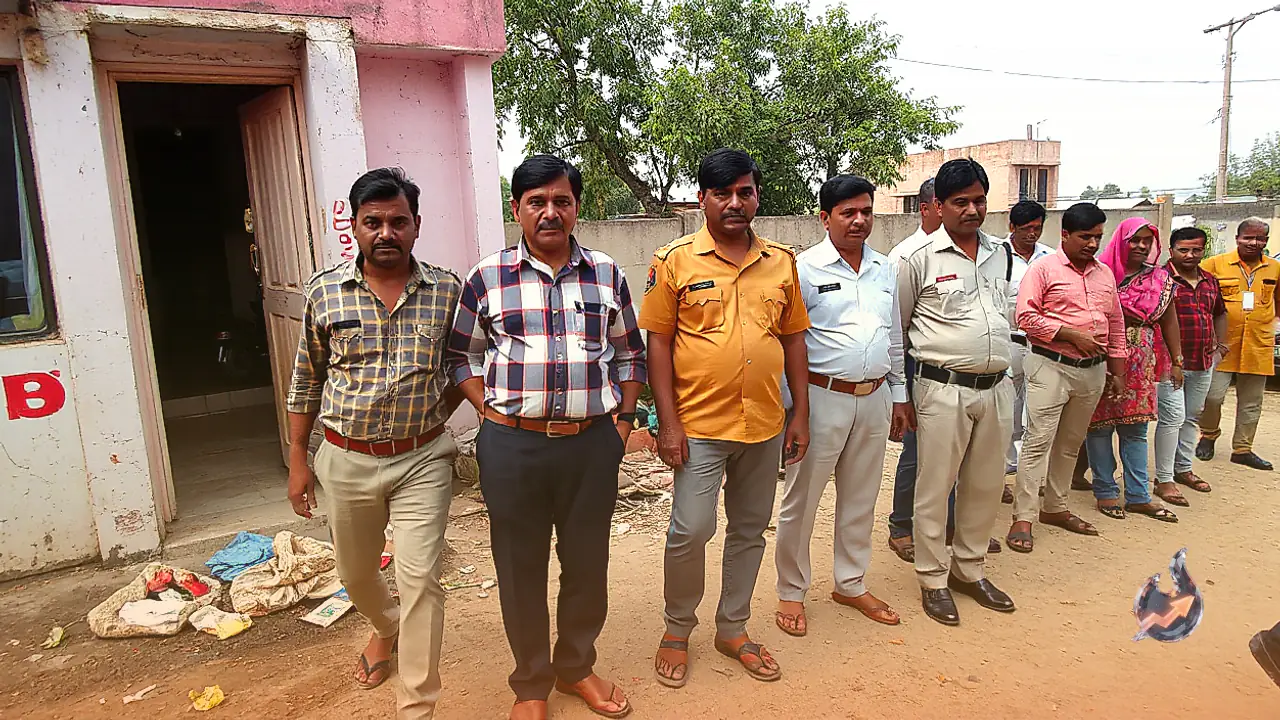

























Guwahati, the capital of Assam, is once again drawing the attention of investigating agencies, this time over its apparent use as a transit point for suspected illegal Bangladeshi infiltration. After 10 suspected Bangladeshi nationals were detained from a lodge in the Paltan Bazar area, the suspicion has hardened that people entering India through border states are using the city as a place to halt briefly and as a hub for onward travel.
Entered via Bengal, then a train to Assam
According to officials linked to the probe, those detained allegedly entered India through the West Bengal border and from there boarded a train to reach Assam. Earlier inquiries have also thrown up indications that suspected infiltrators have been reaching Guwahati by using routes through Meghalaya and Tripura. This makes it clear that the matter is not limited to a single border route, but that a wider network passing through several states may be active.
Why Guwahati keeps becoming a favoured base
The city's location and ease of movement make it especially important for such networks. It has a major railway station, interstate bus connectivity, budget lodges and easy links to other parts of the country. That is why agencies believe people who have allegedly entered illegally stay here for some time, take local shelter, and then move towards other parts of the country with the help of fake identity cards or documents.
Suspicion on middlemen and forged-document gangs
The latest case has also raised questions about the role of middlemen and gangs that prepare forged documents. Investigators are trying to establish who all were involved in getting these people across the border, bringing them to Guwahati, putting them up in the lodge and arranging their onward journey. Agencies are also closely examining the network's interstate connections, travel patterns and the documents that were used.
Part of a wider anti-infiltration drive
Security agencies, the border branch and local police are treating the case as part of a broad anti-infiltration operation. Their focus is not only on confirming the identity and citizenship of those detained, but also on breaking the organised networks that ease illegal entry, forged documents and movement between states. The case emerging from Guwahati once again underlines how crucial it has become for agencies to monitor suspicious people travelling to and from border states, verify documents and keep watch on transit hideouts.