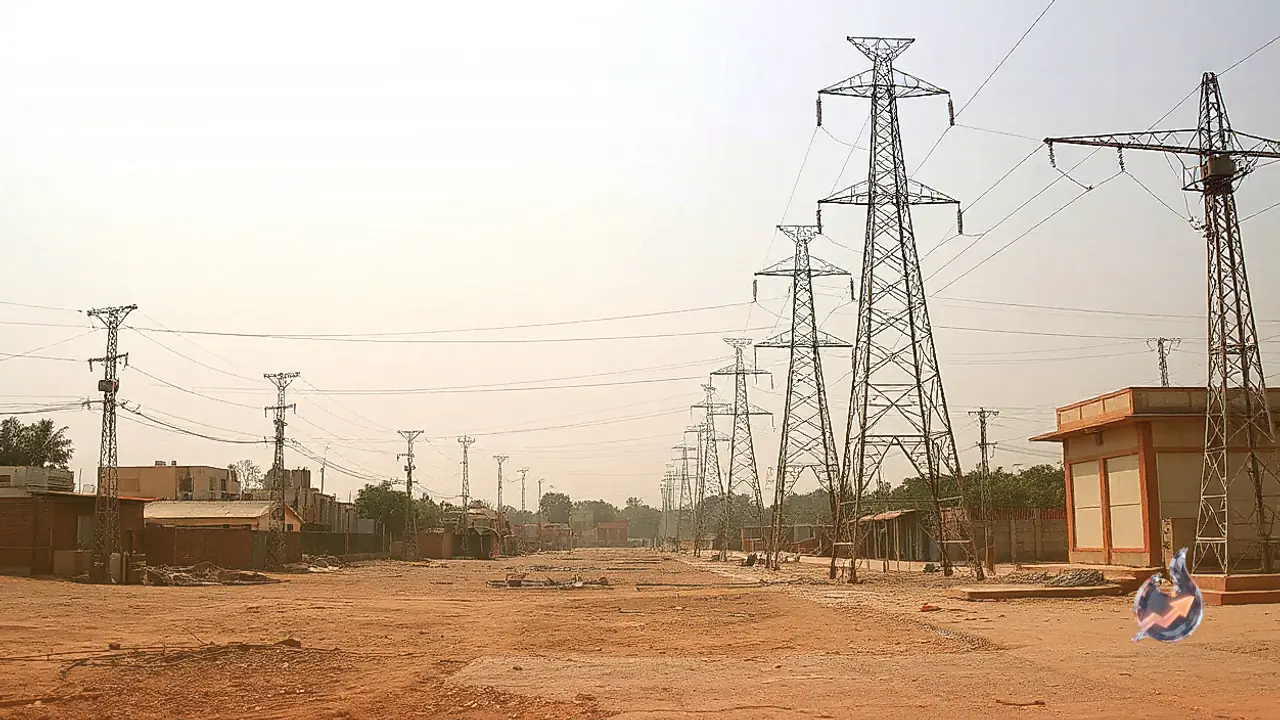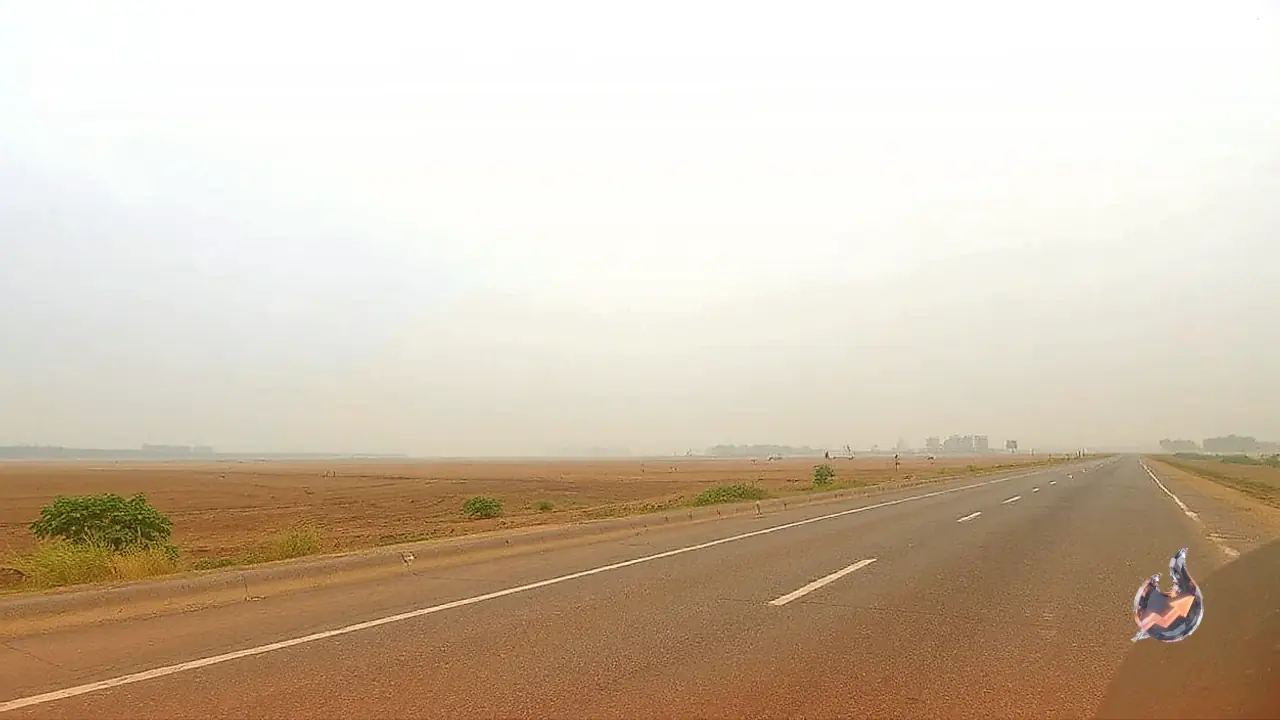




















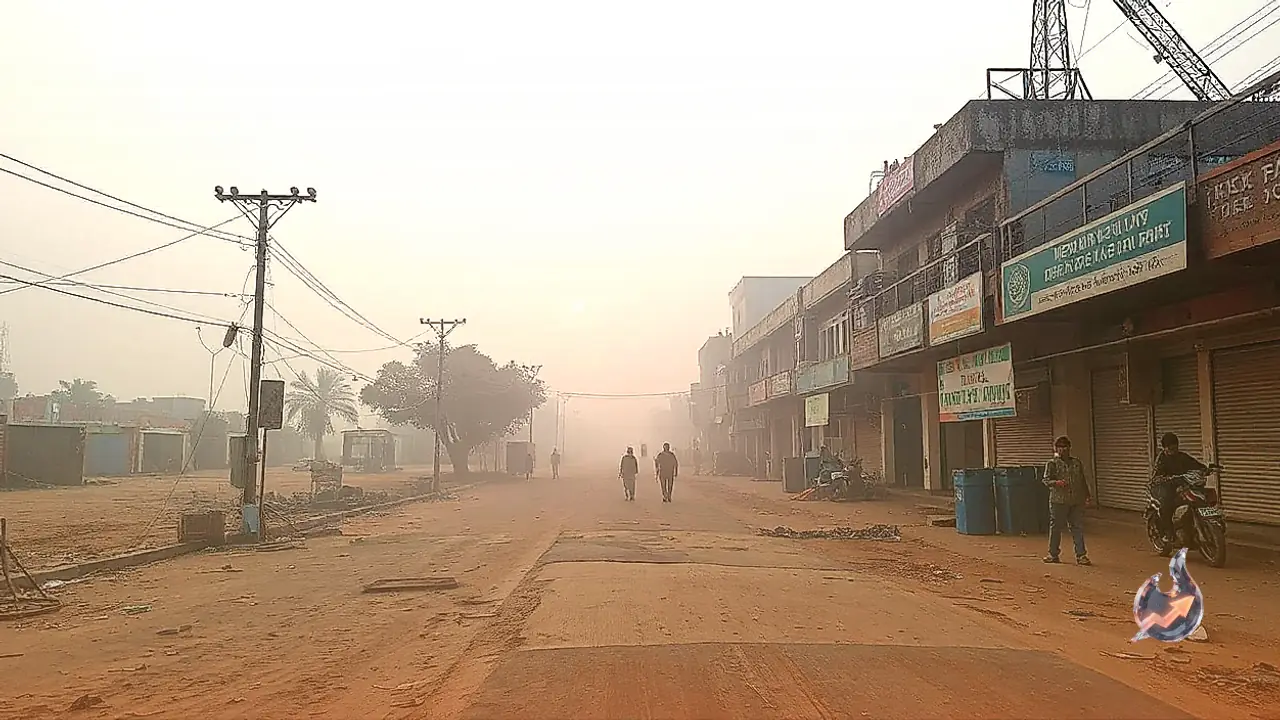

Air pollution has surged across northern India as early winter weather sets in and regions prepare for Diwali festivities. Thick smog has settled over the National Capital Region and surrounding districts, making routine breathing difficult for residents. While national conversations around seasonal winter smog typically focus on the capital, recent measurements show that neighboring urban centers across Uttar Pradesh and Haryana are experiencing far more dangerous air conditions. Air Quality Index readings have climbed above the 800 mark in multiple locations, with the worst-hit districts approaching 1000. This heavy accumulation of airborne pollutants ahead of peak winter indicates an intensifying public health challenge for northern plains communities.
Meerut Leads Polluted Centers Alongside Hapur and Panipat
According to measurements recorded at 7:45 AM, Meerut in Uttar Pradesh emerged as the country's most polluted urban center. The city registered an AQI reading of 987, an extreme level that poses severe health hazards to anyone exposed to outdoor air. Hapur, also located in western Uttar Pradesh, ranked second nationally as its air quality index hit 877. Haryana's industrial city of Panipat occupied the third position with an AQI of 842. In each of these three cities, ambient air reached conditions where outdoor activities and regular commuting carry significant health risks. The heavy particulate matter created poor morning visibility and intense respiratory discomfort across these densely inhabited urban hubs.
Haryana Records Hazardous Air Across Seven Locations
The spike in air pollution is distributed across multiple districts in Haryana. Beyond Panipat, several other cities in the state recorded dangerous air readings at 7:45 AM. Sonipat recorded an AQI of 781, while Rohtak registered 740. Further west and north in the state, Kaithal stood at 702. Karnal registered an index of 699, and the major industrial hub of Faridabad recorded 663. In total, seven cities across Haryana featured prominently among areas experiencing severe pollution levels. Stagnant air combined with seasonal temperature drops has prevented the dispersal of surface-level dust and smoke, leaving local populations under a persistent haze of toxic air.
Severe Readings Persist Across Muzaffarnagar and Ghaziabad
Industrial belts across western Uttar Pradesh recorded similarly severe pollution metrics. Muzaffarnagar logged an AQI of 786, placing it fourth among the nation's most polluted cities during the morning measurement window. Ghaziabad, located directly adjacent to Delhi, touched an AQI mark of 700 to sit eighth on the list of most polluted centers. The confluence of vehicular traffic, construction particulate matter, and regional meteorological conditions in these dense National Capital Region pockets has created elevated exposure risks for office commuters and local residents throughout the day.
Delhi Logs 589 AQI Outside the National Top Ten
Delhi recorded an AQI of 589 at 7:45 AM. Because neighboring cities in Uttar Pradesh and Haryana registered significantly higher numbers, the capital did not appear among the top ten most polluted cities in this specific dataset. Nevertheless, an AQI reading of 589 remains deeply hazardous and far exceeds permissible clean air standards. Environmental experts and health authorities recommend that residents across the wider capital region restrict heavy outdoor exertion, especially during the early morning and late evening periods when atmospheric conditions trap pollutants closest to ground level.
Vulnerable Populations Urged to Adopt Respiratory Protections
Elevated levels of atmospheric pollutants exert rapid stress on the human respiratory system. Immediate physiological responses include throat irritation, continuous coughing, chest constriction, and ocular burning. Individuals diagnosed with pre-existing asthma or chronic respiratory conditions face heightened risks of acute exacerbation under these air conditions. Children and elderly individuals require additional safeguards to limit direct inhalation of toxic particulates. Health advisories recommend wearing well-fitted protective masks when outdoor travel is necessary. Any developing breathing difficulties or sustained eye irritation should receive timely medical evaluation, as elevated smog levels ahead of Diwali suggest that poor atmospheric conditions may linger over the coming weeks.