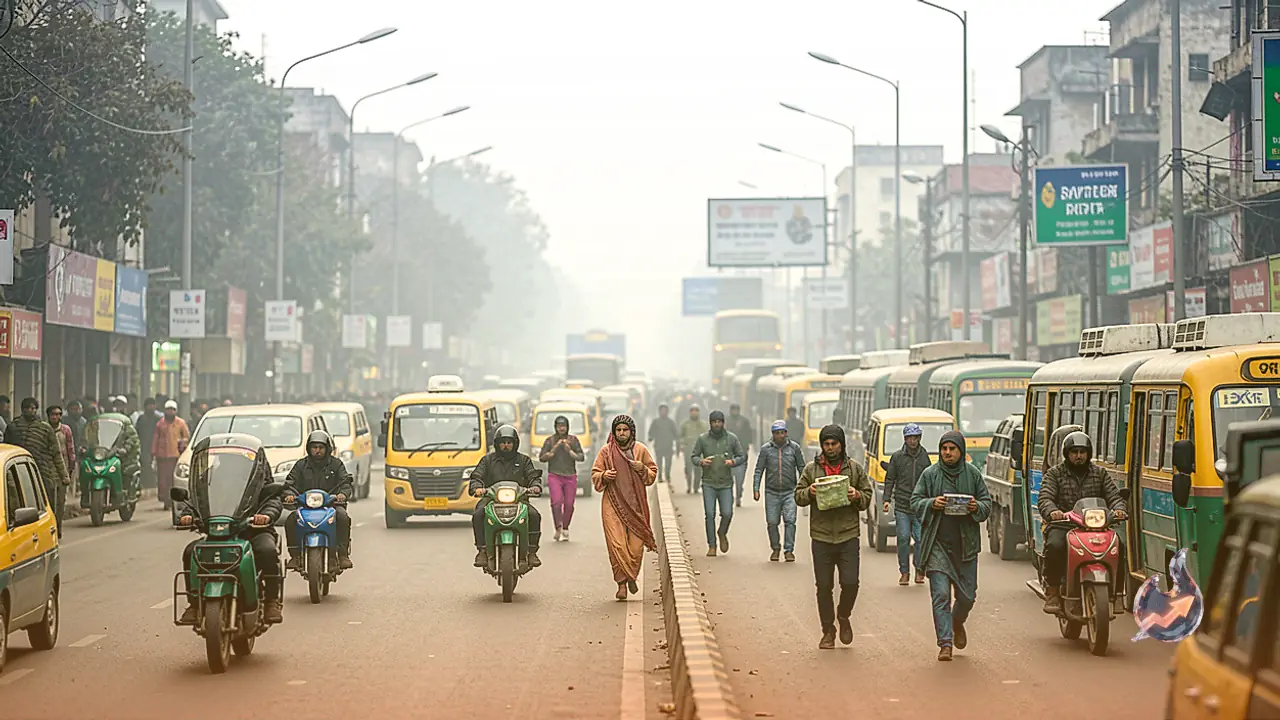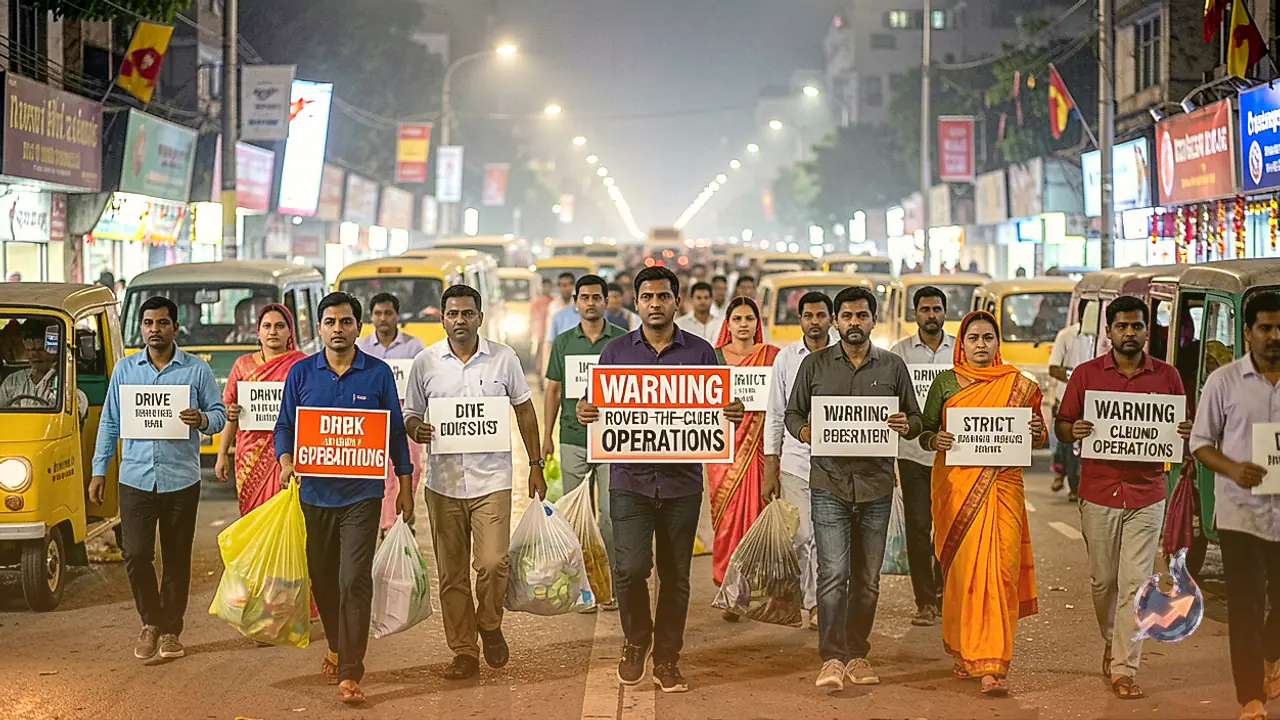




















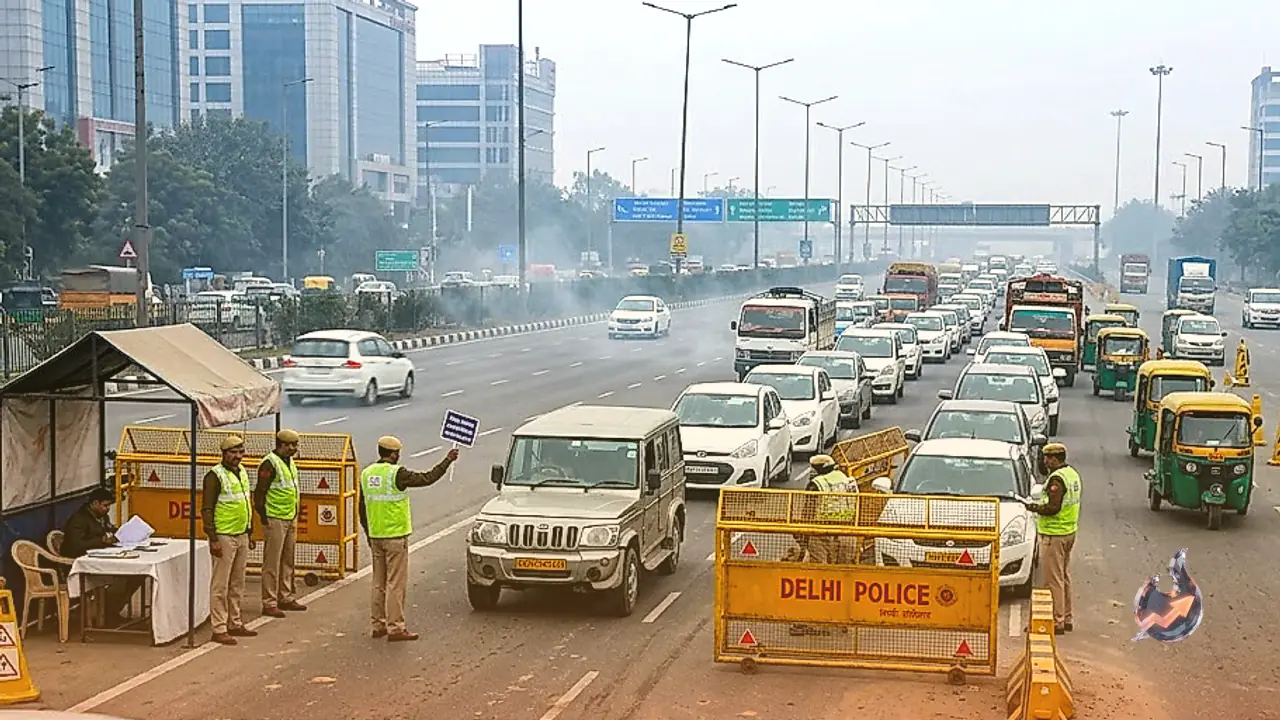

To tackle the alarming rise in winter pollution across Delhi, the government has decided to implement a rigorous winter action plan. This comprehensive strategy will officially take effect from November 1, 2026, and will remain in active operation for four consecutive months until February 28, 2027. Individuals planning to drive into Delhi from outside the capital must take note of these crucial updates, as the authorities have enforced rules so strictly this time that even a minor oversight could lead to severe consequences. Violating these directives can result in heavy traffic fines, legal penalties, vehicle seizure, or outright denial of entry into the city limits.
Strict entry restrictions for vehicles arriving from outside
Vehicles coming from other regions into the national capital are facing intense scrutiny under the new framework designed to keep air quality in check. Drivers who fail to comply with the established standards risk being stopped directly at the border checkpoints or being turned away empty-handed from fuel stations across the city. The administration is determined to prevent older, highly polluting automobiles from worsening the seasonal smog, prompting stringent enforcement measures across all entry points.
Ban on vehicles below BS-6 emission standards
The most critical directive for out-of-state vehicles is that between November 1 and January 31, petrol and diesel vehicles registered outside Delhi that fall below BS-6 emission norms will be barred from entering the city. This means older models running on BS-3 or BS-4 standards will be turned back at the borders. However, CNG and electric vehicles have been granted exemptions from this restriction. Essential service vehicles are also provided relief under the guidelines, but motorists are strongly advised to verify their vehicle emission standards before planning any trip.
Enforcement of the no PUC, no fuel policy
In an effort to curb vehicular emissions more effectively, the administration is strictly enforcing the no PUC, no fuel mandate. If a vehicle lacks a valid Pollution Under Control certificate, fuel stations across Delhi will refuse to dispense petrol, diesel, CNG, or LPG. This regulation applies equally to local vehicles as well as those coming from outside. Many fuel stations are equipped with automated cameras capable of reading number plates to verify compliance instantly. Drivers whose PUC is nearing expiration are urged to renew their documents immediately to avoid being stranded.
The primary objective of the government is to curb seasonal air degradation by keeping high-emission vehicles off the roads. Commuters traveling from outside who own newer BS-6 models, CNG cars, or electric vehicles will face no hurdles during their commute. However, those operating older vehicles would be wise to rely on public transit or the metro system instead. Ignoring these guidelines invites penalties and heavy administrative trouble, making proactive preparation essential for everyone heading into the capital.