

















The onset of Navratri and Durga Puja brings a wave of spiritual energy across both urban and rural stretches of Azamgarh. Elaborate pandals designed with striking visual concepts are coming up across the district. At the center of all these festive setups are the intricately sculpted idols of Goddess Durga, which draw thousands of visitors and devotees during the celebration.
Rani Ki Sarai Emerges as the Focal Point of Idol Crafting
A major share of the deities gracing these festive pandals originates from a dedicated hub in Azamgarh known as Rani Ki Sarai. Regarded as the region's largest market for clay craftsmanship, this area is experiencing intense commercial and artistic activity. The defining hallmark of this marketplace is the presence of expert artisans who travel from various parts of India to set up temporary workshops.
Working patiently with river clay, straw, bamboo armatures, and vibrant pigments, these craftspeople build deities of exceptional detail that leave spectators awestruck. The finished works lined along the roadside sheds capture attention at first glance. Seasoned artisans from Kolkata in West Bengal and various regions of Maharashtra establish their setups in Azamgarh months ahead of the festive season to complete their commitments on schedule.
A Seamless Fusion of Bengali Heritage and Contemporary Finish
Sculptors arriving from Kolkata bring their signature heritage techniques, known for classical Bengali facial expressions, sweeping almond eyes, and meticulous clay relief work. In contrast, sculptors from Maharashtra bring expertise in dramatic postures, modern finishing touches, and bold color palettes. The meeting of these two regional traditions under one roof gives the idols at Rani Ki Sarai an expressive, lifelike presence.
The reputation of these creations reaches well beyond the borders of Azamgarh. Organizing committees from surrounding districts including Mau, Jaunpur, Ghazipur, and Ballia travel here months in advance to inspect designs and confirm their bookings. Each committee strives to secure an idol that stands out in appearance and leaves a memorable impression on the neighborhood crowd.
Recreating Custom Designs Straight from Phone Screens
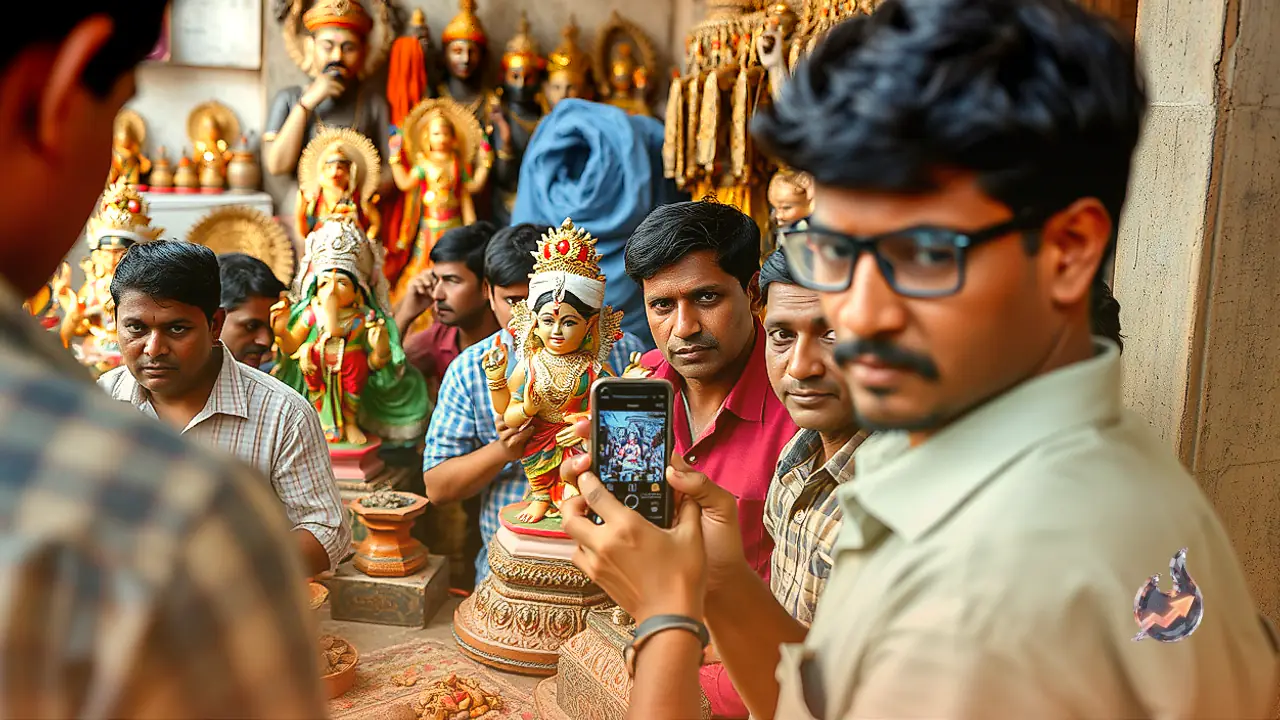
Another popular aspect of this vibrant marketplace is the trend of tailor-made idol crafting. Organizers now bring digital images found on social media platforms or internet searches directly to the sculptors on their smartphones. Looking carefully at the digital references, the craftsmen replicate the requested design into clay, maintaining precision in everything from facial contours to the detailing of garments and traditional jewelry.
Continuous Bustle Extending from Durga Puja to Chhath
The festive vibrancy at Rani Ki Sarai does not stop with the conclusion of Durga Puja. As soon as the immersion processions finish, sculptors turn their attention to crafting deities of Goddess Lakshmi and Lord Ganesha ahead of Diwali. Shortly following Diwali, preparations commence for the folk festival of Chhath Puja. Because of this continuous festive calendar, the artisan hub remains bustling with buyers, worshipers, and craftsmen for nearly two months.
Flexible Price Ranges Catering to Every Festive Budget
On the commercial front, Rani Ki Sarai accommodates varied financial scales. For domestic setups and modest neighborhood enclosures, compact idols start at five thousand rupees. For prominent cultural associations building large thematic stages, majestic idols are commissioned for prices reaching up to one lakh rupees. Costs are determined strictly by scale, structural complexity, and decorative adornments, ensuring choices for every budget.