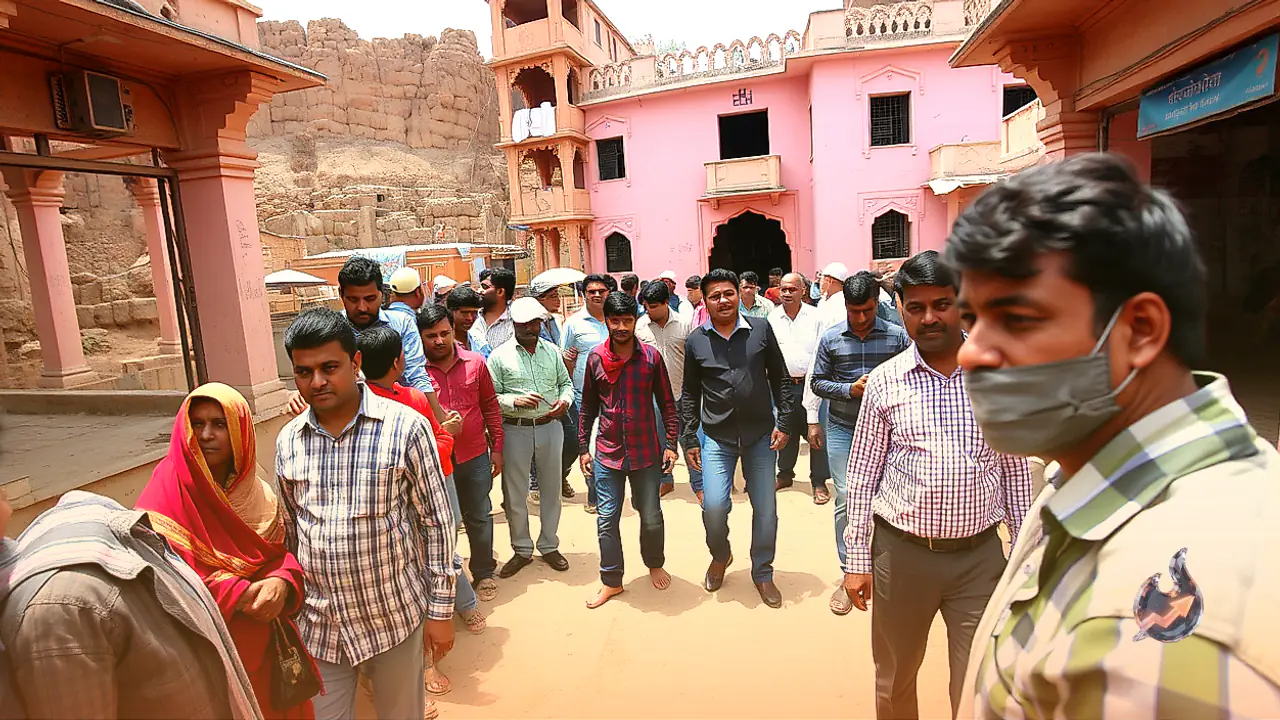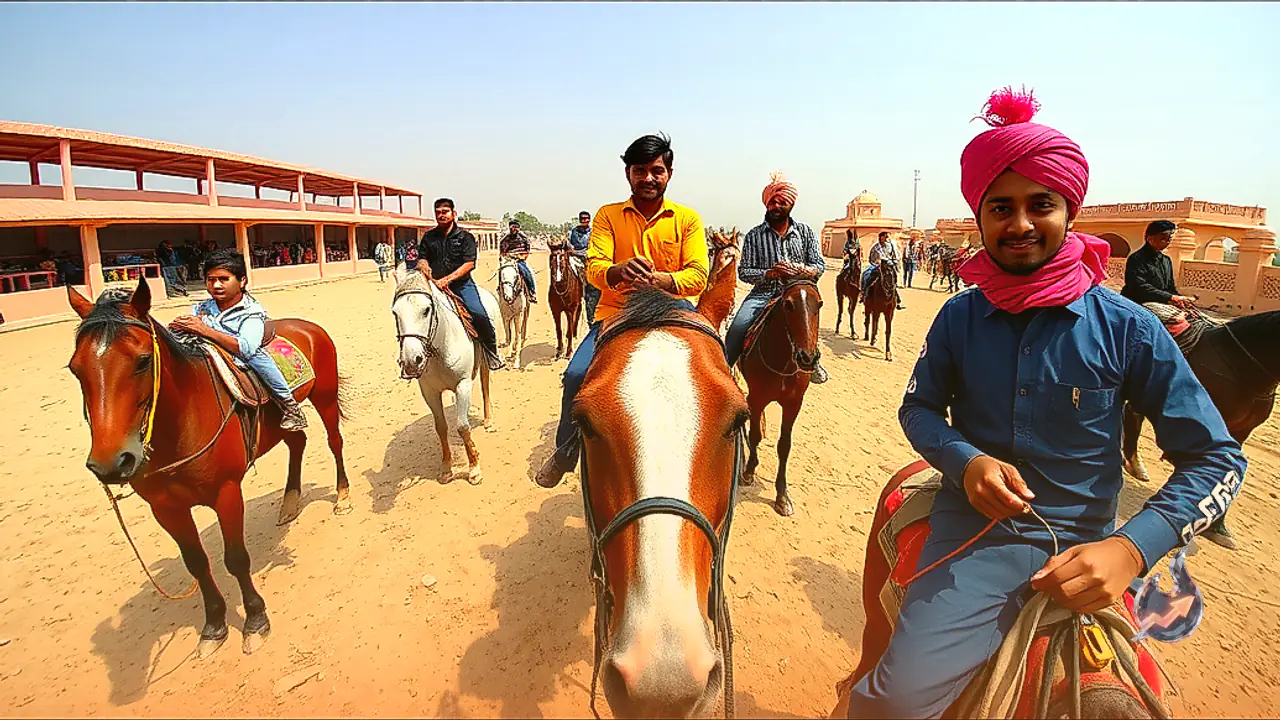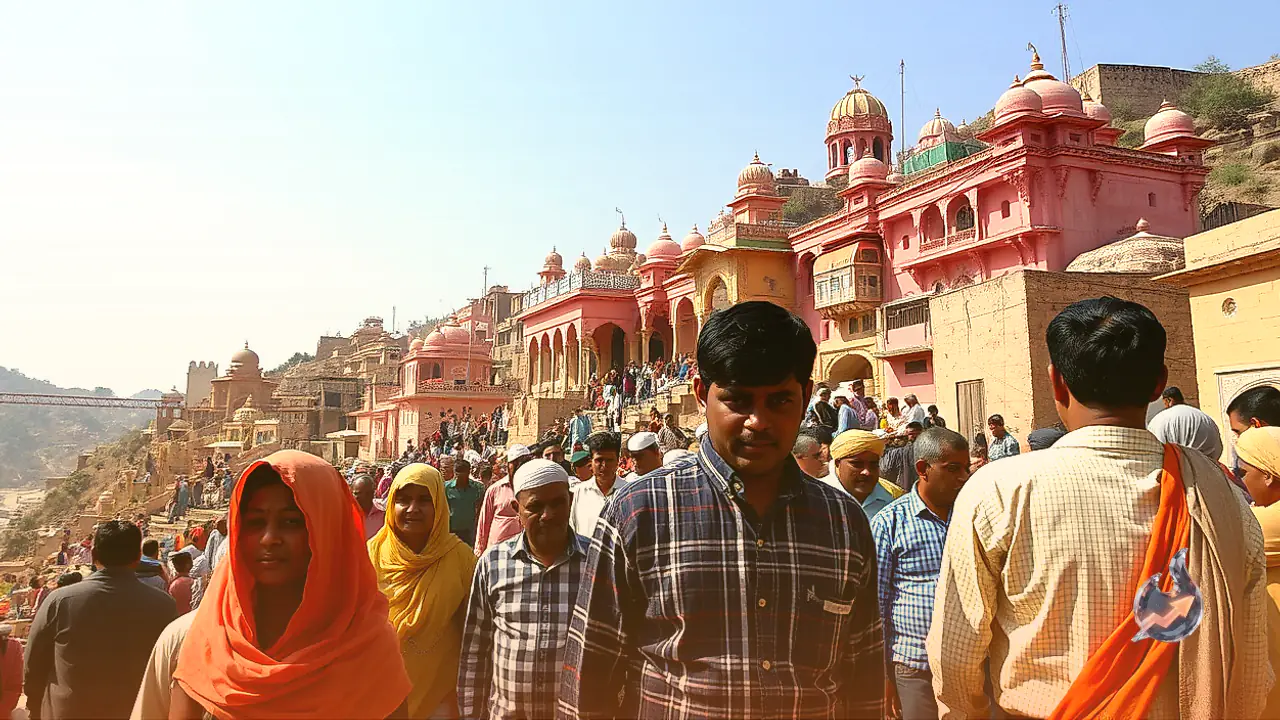




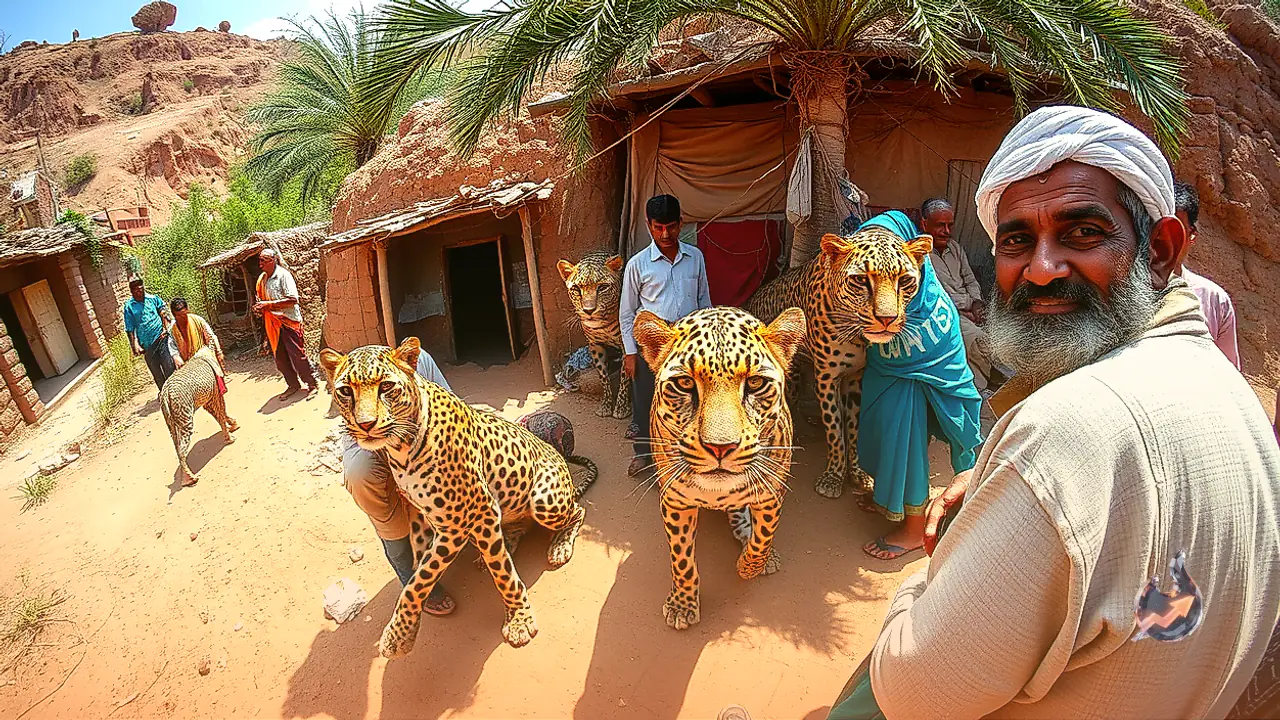















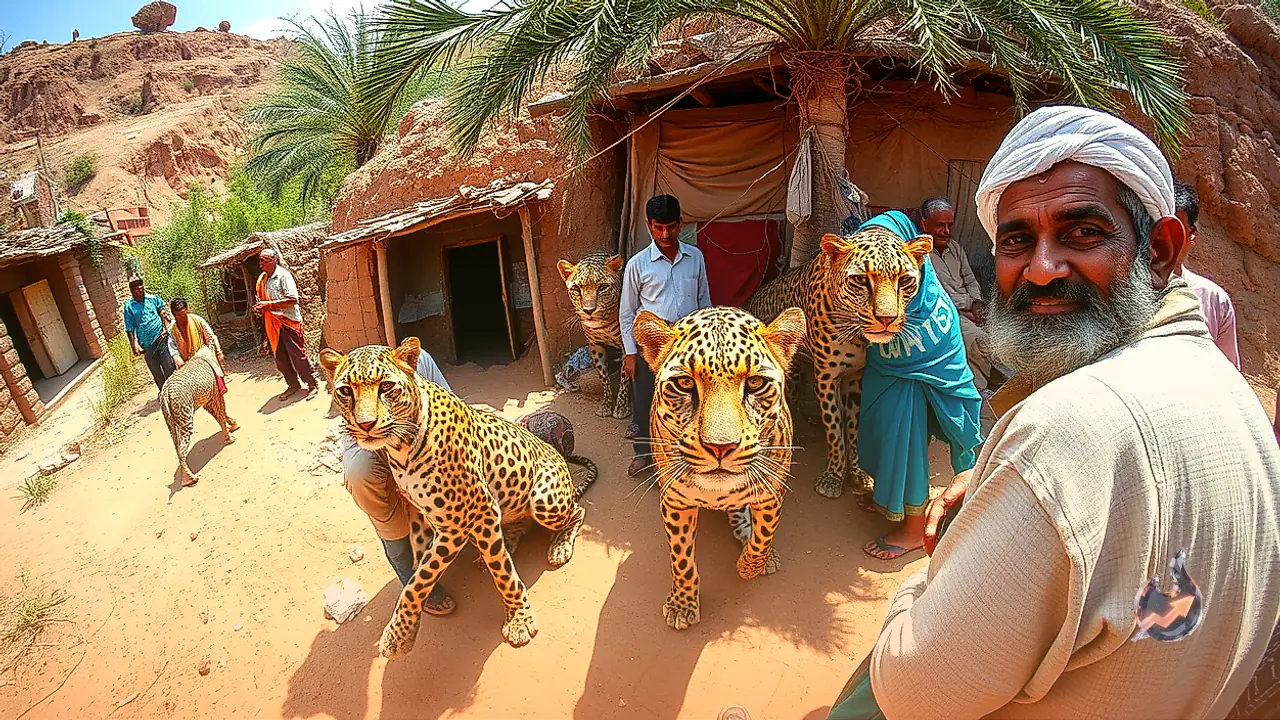

Tucked within the rocky folds of the Aravalli hills in Desuri tehsil of Rajasthan's Pali district, the rural settlement of Narlai offers a rare paradigm of human settlement flourishing alongside top predators. While carnivore proximity frequently triggers acute friction in rural zones, this distinctive terrain accommodates a resident population exceeding 20 leopards without recorded confrontations. The settlement seamlessly weaves ancient wilderness with deeply rooted architectural traditions, demonstrating a peaceful equilibrium that continues to attract global curiosity.
A 17th-Century Royal Retreat Guarded by a Stone Colossus
Historical chronicles trace the prominence of Narlai back to the 17th century, when the royal dynasty of Jodhpur designated this dense forest belt as their premier hunting lodge. Nobles and rulers frequently journeyed into these undulating terrains seeking respite, royal recreation, and proximity to nature. Defining the skyline of the settlement is a massive elephant sculpture mounted dramatically upon a rocky outcrop. Visible from considerable distances, this hilltop landmark has anchored the village's visual identity across generations as an enduring emblem of regal heritage.
Regal Restoration and Sustained Water Architecture
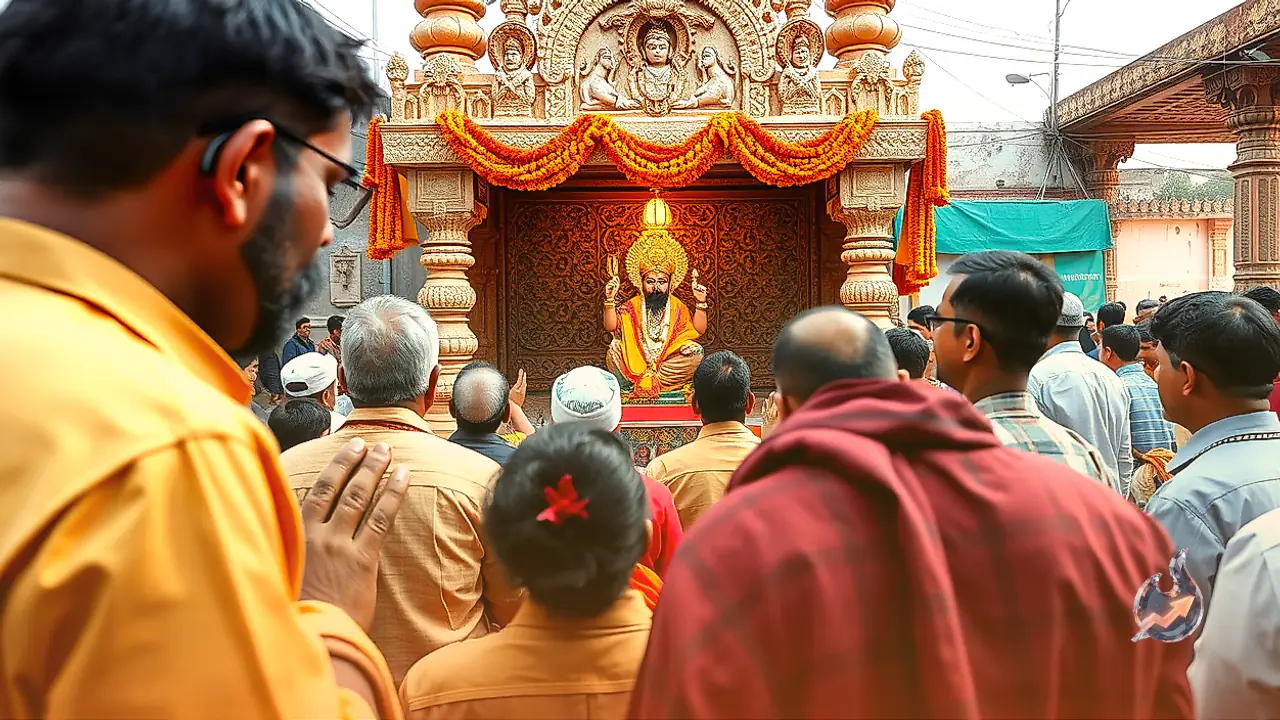
The passage of eras did not diminish the regal footprint across the township. In 1996, Rani Usha Devi belonging to the Jodhpur royal family spearheaded an ambitious restoration effort that transformed the weathered royal hunting residence into an authentic heritage hotel. This revitalization paved the way for domestic and overseas voyagers to immerse themselves in pristine rural customs alongside preserved aristocrat grandeur. Beyond the opulent stone facades, intricately sculpted shrines and traditional mansions line the pathways. Furthermore, the subterranean stepwells engineered centuries ago continue to serve as functioning water lifelines, sustaining local households with unbroken utility.
The Delicate Balance Between Humans and Wild Predators
The craggy surroundings and natural cavern formations create an ideal sanctuary for wildlife, allowing over 20 big cats to inhabit the immediate environs of the village. Rather than viewing the animals as adversaries, the local populace has fostered an unspoken accommodation that minimizes mutual disruption. The uninterrupted coexistence between large carnivores and village life in Narlai exemplifies how ecological consciousness and traditional values can cultivate a safe, sustainable shared biosphere amidst rugged terrain.