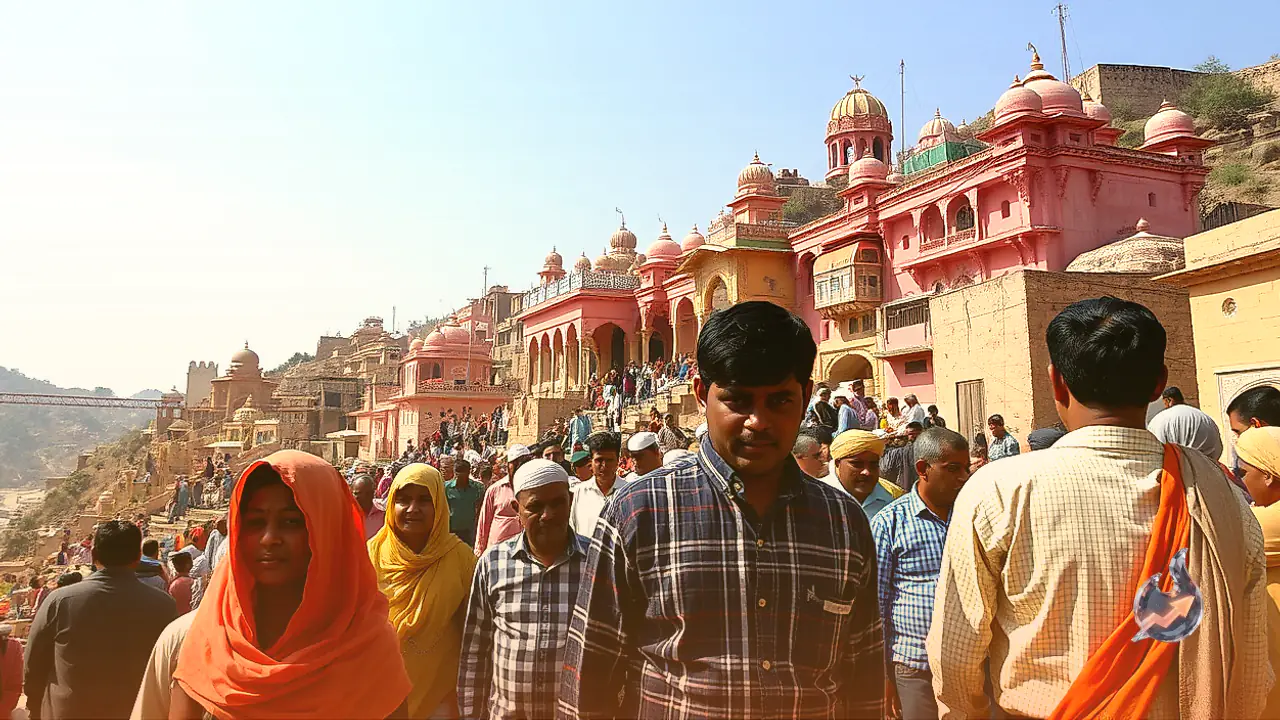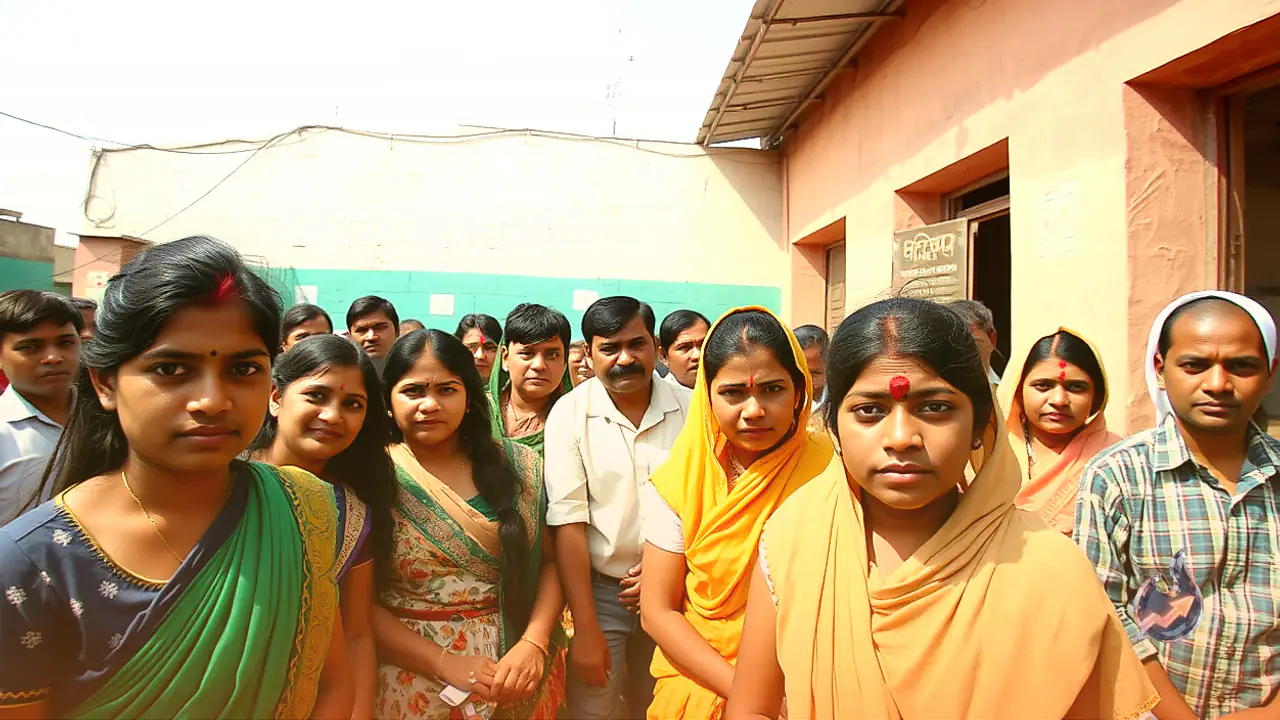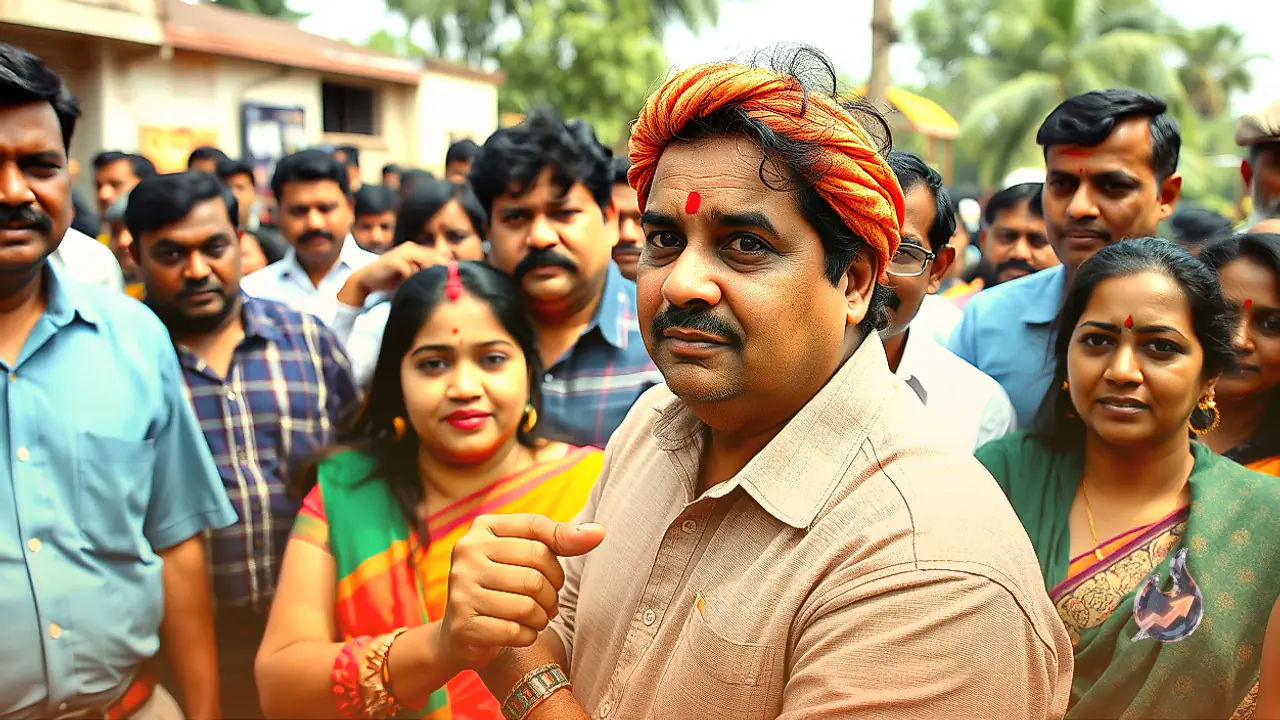















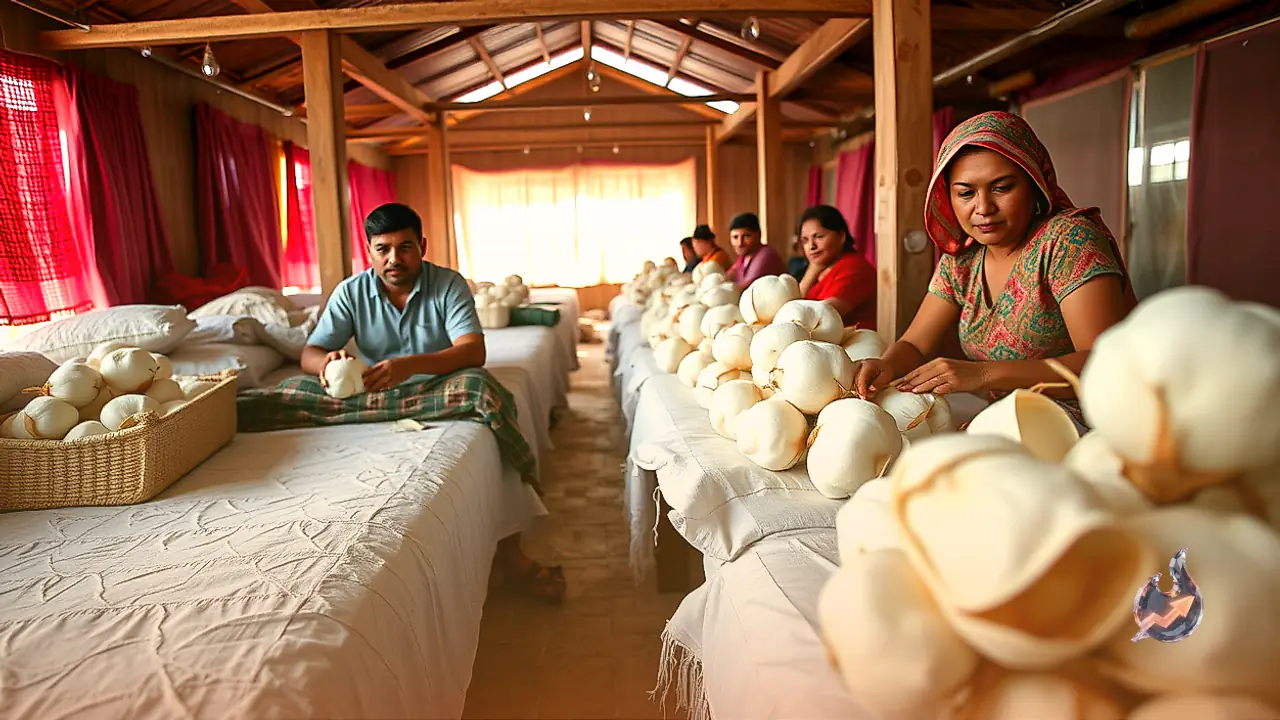

In the narrow lanes of Pali, rhythmic thumps of traditional cotton carding machines echo alongside drifting wisps of lint, setting the stage for an enduring artisanal craft. Amid an avalanche of ready-made foam products and corporate mattress brands, artisans of the local Pinjara community continue to rely on aged machinery, heavy needles, and sturdy thread to produce plush, resilient bedding. This generational skill is more than a commercial livelihood; it represents a deep cultural heritage brought from Indore decades ago, continuing to outshine factory-made alternatives in comfort and structural longevity.
Roots in Indore and Establishment in Pali
The craft took root in the region generations ago when several families migrated from Indore and chose Pali as their base of livelihood. Over the years, this specialized cotton-fluffing and quilt-making skill flourished, eventually evolving into a hallmark of Pali's local bazaar culture. Even with aggressive modern marketing from mattress manufacturers, local residents seeking genuine durability, ergonomic comfort, and high-quality natural bedding consistently turn to the handcrafted creations of the Pinjara community.
Rustic Machines and Hand-Stitched Precision
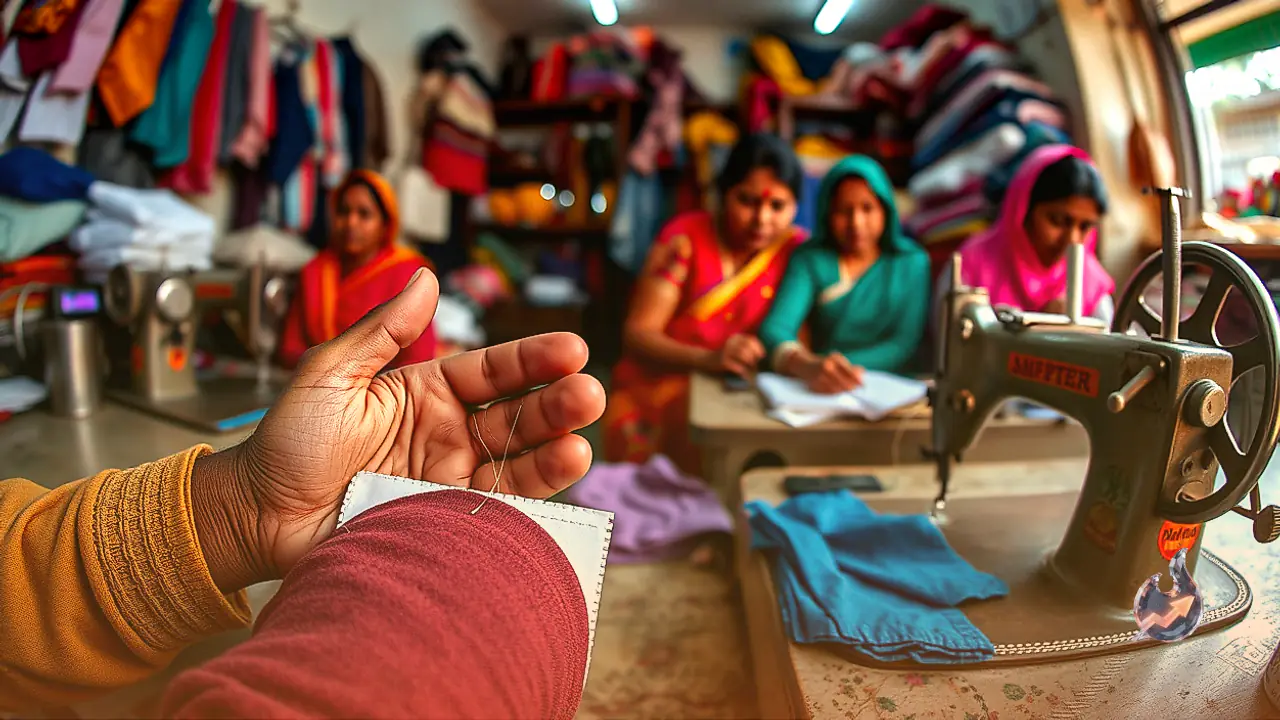
While massive industrial facilities assemble synthetic mattresses using automated assembly lines, Pali's craftspeople continue to work with their decades-old, weather-beaten carding apparatus. These rugged machines carefully fluff and comb raw cotton into clean, uniform sheets free of lumps. Once the layers are prepped, the master craftspeople take over using heavy hand needles and tough cords, shaping pillows and mattresses with decorative, robust stitching. The resulting bedding delivers a velvety softness combined with structural resilience that holds firm across years of daily use without losing its form.
Strenuous Labor and Uncertain Future for the Next Generation
Despite the timeless appeal of these handmade mattresses, changing consumer habits and rigorous working conditions pose severe hurdles for the future of the trade. Veteran artisans openly acknowledge that the immense physical strain of inhaling cotton fibers and working manual tools offers modest financial returns compared to modern employment opportunities. As a result, younger family members are increasingly reluctant to take up the family trade, raising fears that this intricate heritage could fade when the current generation steps down. For now, however, the artisans remain at their stations, anchoring their ancestral identity with every precise stitch they pull.