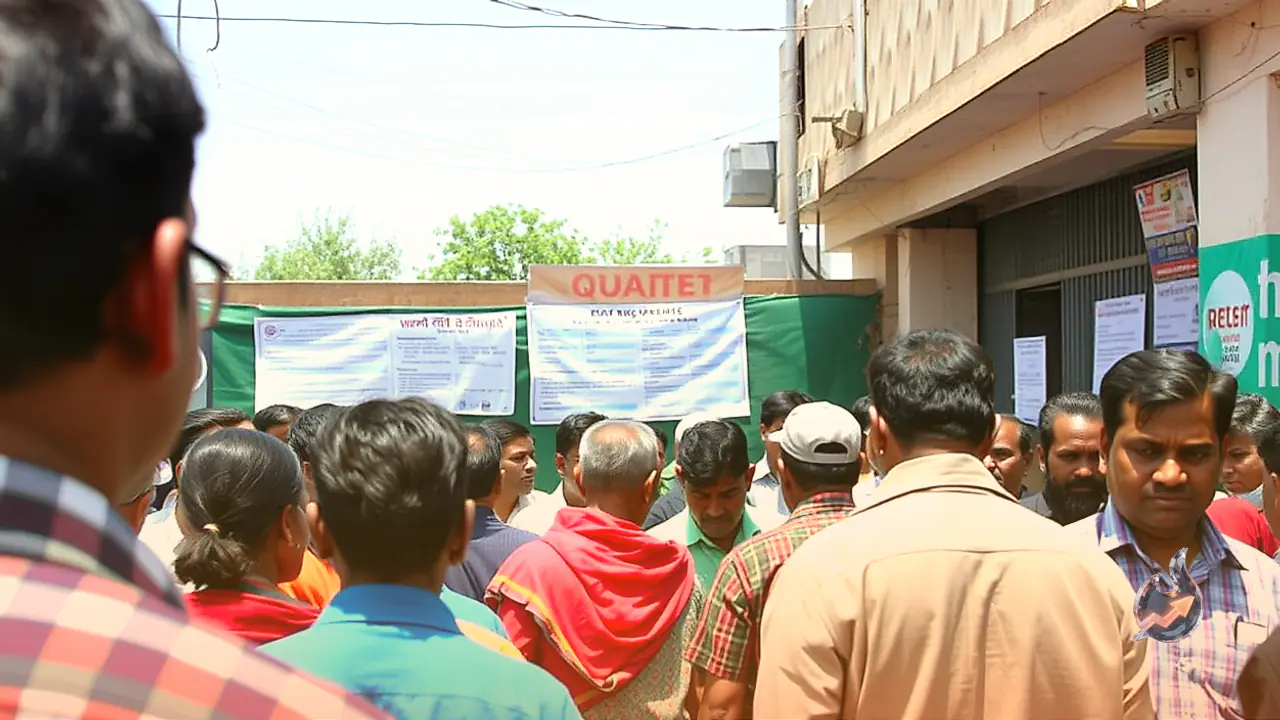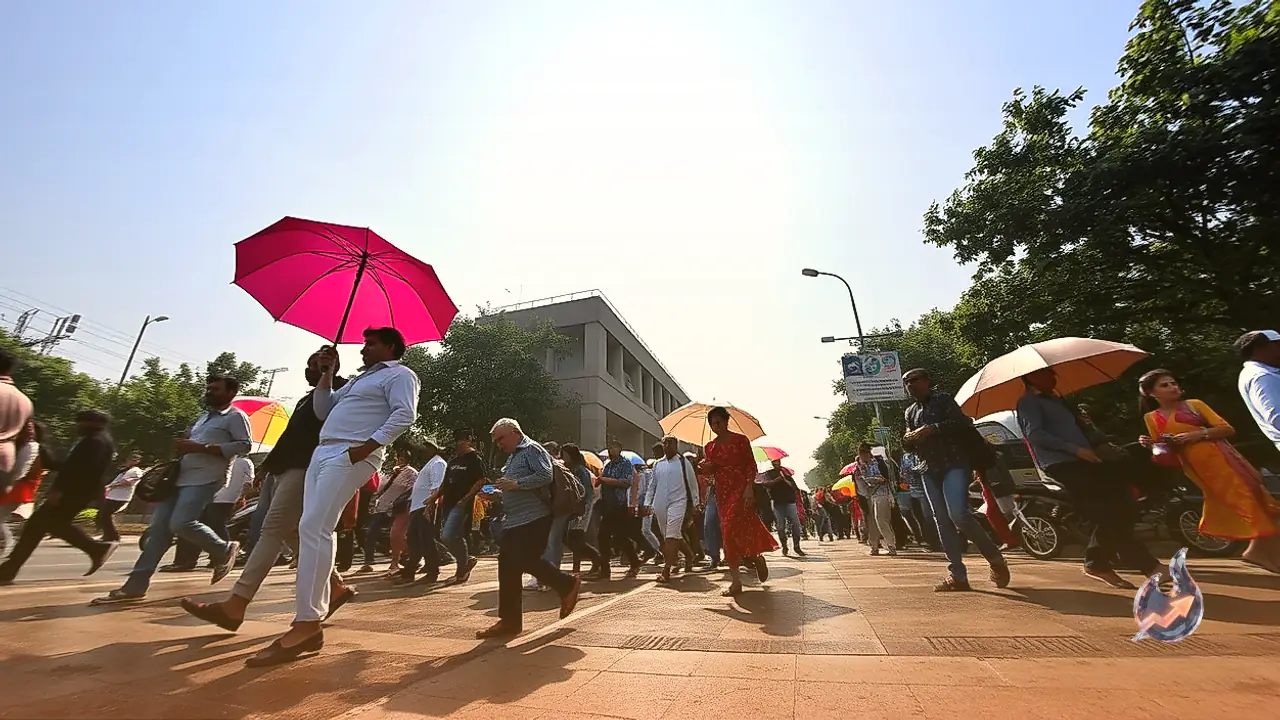


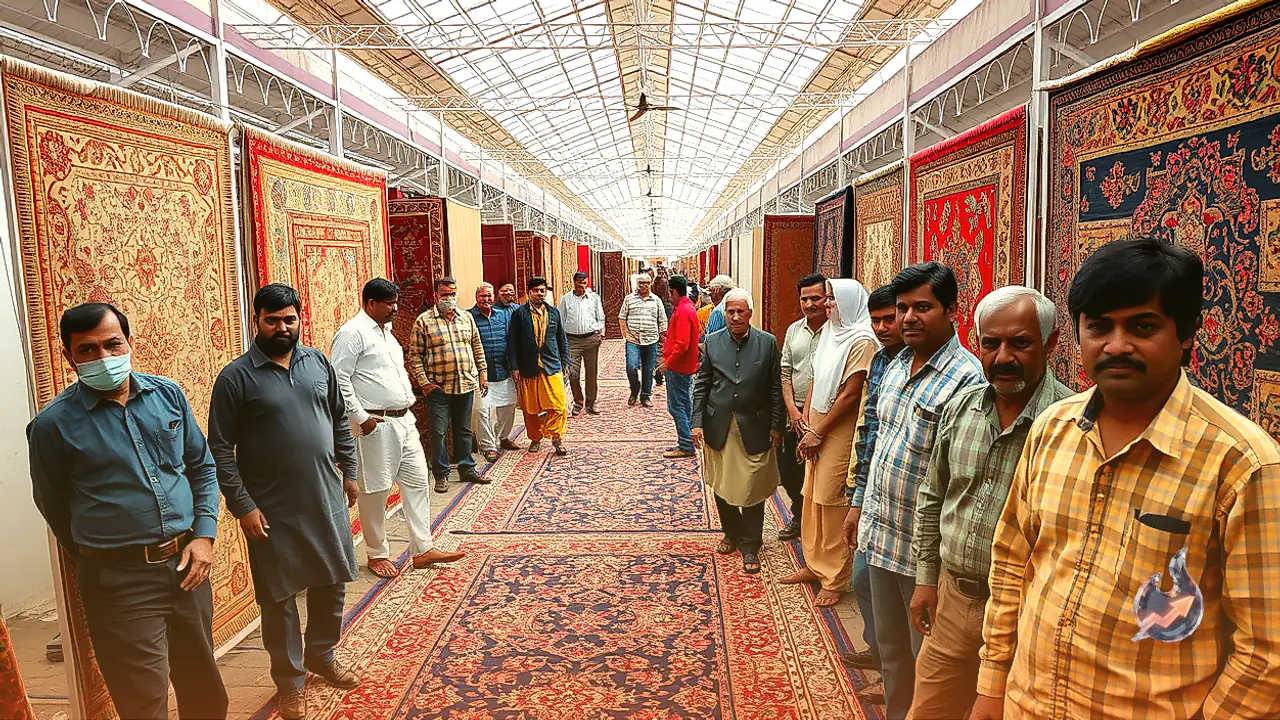















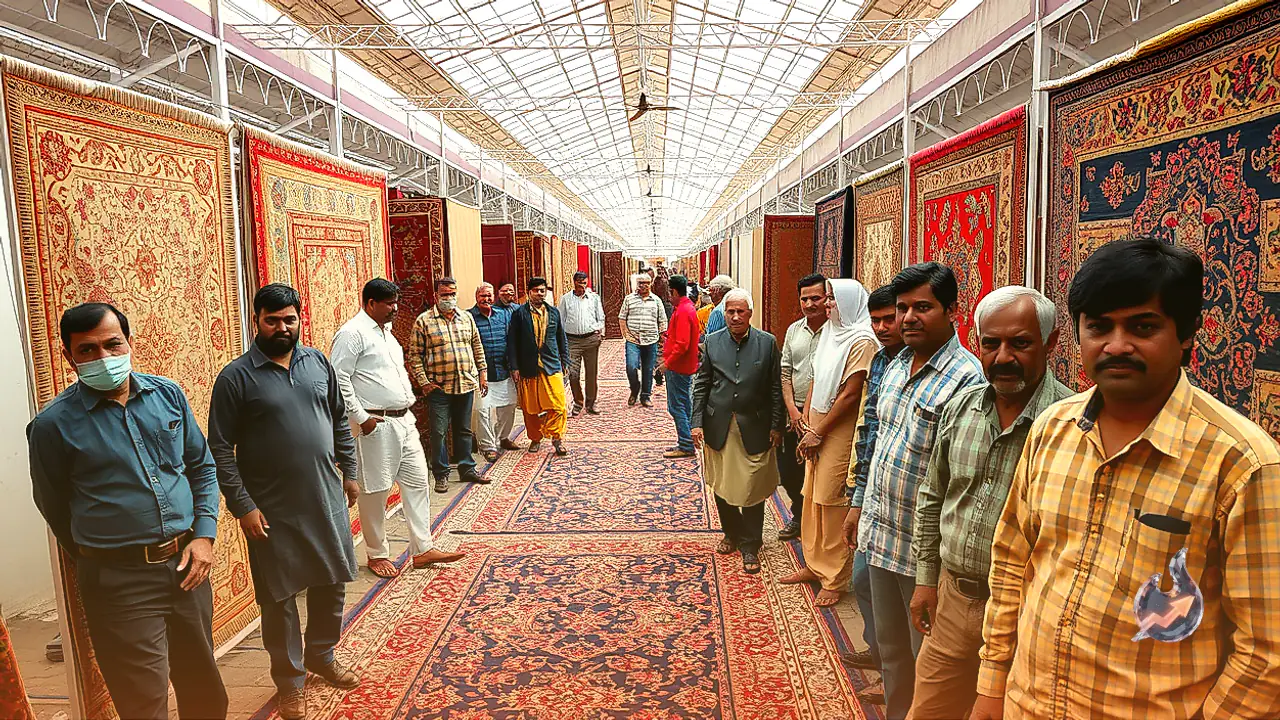

The carpet manufacturing hub of Bhadohi in Uttar Pradesh is currently hosting the 50th International Carpet Expo at the local Carpet Expo Mart. Organized by the government to promote handmade floor coverings on the world stage, the event represents the heart of the craft, as the twin regions of Mirzapur and Bhadohi form the primary global center for handmade carpet production. More than 450 overseas buyers representing 65 countries have converged at the venue to evaluate collections, giving a clear indication of expanding business prospects for Indian weavers and exporters.
Kashmiri Silk and Mirzapur Rugs Attract Strong Global Interest
International buyers visiting the exhibition are showing particular interest in premium Kashmiri silk carpets and the celebrated traditional rugs of Mirzapur. Manufacturers and traders have arrived from key weaving clusters across India, including Srinagar, Delhi, Panipat, Jaipur, Agra, and the local Mirzapur-Bhadohi belt. The presence of varied handcrafted flooring collections from every major domestic weaving center has created a vibrant commercial atmosphere, offering overseas visitors direct access to diverse Indian craft traditions under a single roof.
Asia's Largest Handmade Fair and BRICS Buyer Delegations
Aslam Mehboob, Vice President of the Carpet Export Promotion Council, stated that the event stands as the largest fair for handmade carpets in Asia and the premier gathering of its kind globally. He emphasized the historic importance of holding such a landmark gathering directly inside the production hub itself. Between 400 and 450 international buyers from 65 countries registered to attend this milestone 50th edition. Furthermore, with the Government of India hosting the BRICS summit under Prime Minister Narendra Modi, special arrangements were established at the mart, resulting in registrations from 106 buyers across BRICS member nations.
The Production Cycle and Commercial Realization Process
Explaining the trade mechanics of the industry, Aslam Mehboob noted that the carpet business operates on an extended cycle spanning six to nine months. International buyers conduct initial sampling during the event, and orders typically materialize over the subsequent two to five months. Following the conclusion of the four-day event, organizers distribute comprehensive feedback forms to all participants, using the resulting data to calculate total business generated. Exporters from nationwide weaving hubs like Panipat, Jaipur, Kashmir, and Delhi rely on this multi-month fulfillment pipeline to turn early exhibition discussions into steady export shipments.
Navigating International Supply Constraints and Geopolitical Headwinds
The successful staging of the expo comes against a difficult global commercial backdrop. Aslam Mehboob noted that the industry is navigating the combined pressures of international tariffs, the effects of ongoing war, rising raw material expenses, and elevated transportation costs. Delivering an event of this scale amidst worldwide disruptions posed considerable logistical and operational hurdles, which organizers successfully surmounted. He added that the sector looks toward the Government of India to continue addressing and resolving these persistent trade bottlenecks.