




















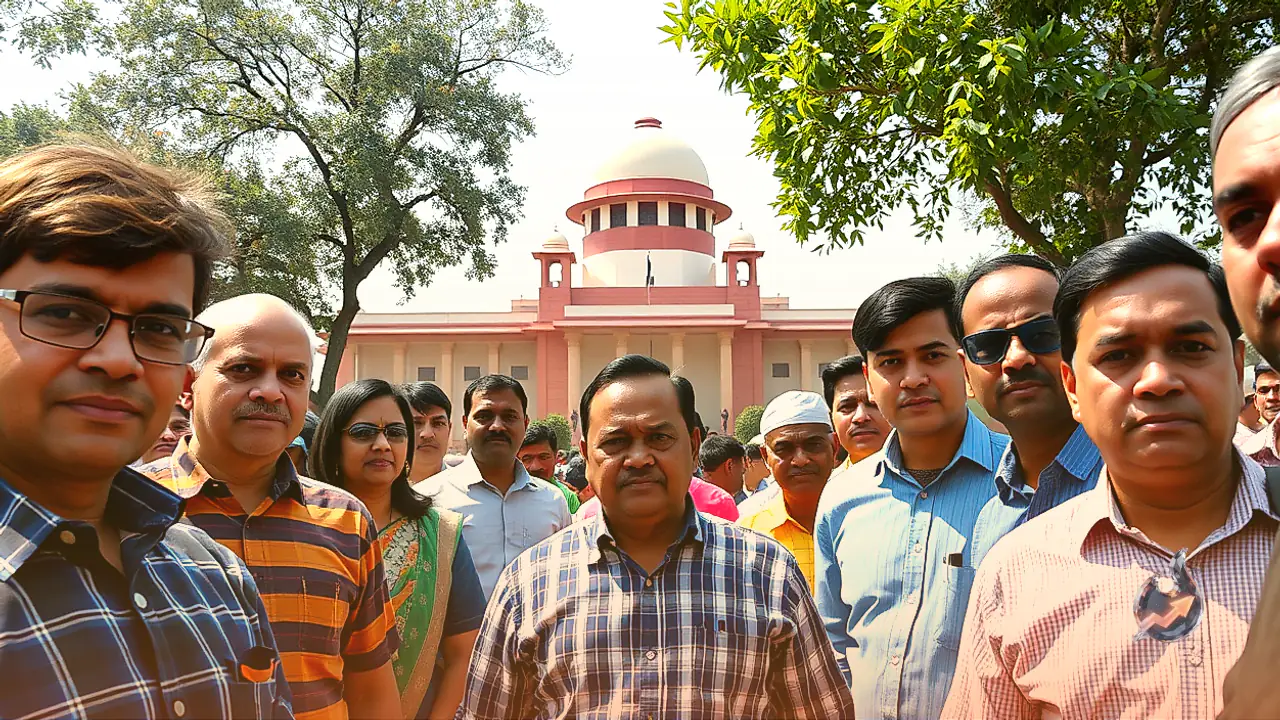

In the matter concerning the suspension of mobile internet services across designated parts of the national capital, the central government has tendered an unconditional apology before the Supreme Court. Union Home Secretary Govind Mohan filed a detailed response late Wednesday evening to answer the contempt notice issued by the top court. While the government expressed complete deference and placed an unconditional apology on record, Govind Mohan categorically denied allegations of willful contempt. He clarified that there was no deliberate intention to violate the judicial directions issued on October 9 regarding connectivity curbs, explaining that administrative measures were taken purely to maintain peace and preserve law and order in Delhi.
Administrative Compulsions and Public Order Defense
In the official affidavit submitted before the bench, Union Home Secretary Govind Mohan defended the temporary restrictions enforced on mobile internet services on October 10 as an essential intervention to uphold public order. The top court had previously directed the central government on October 9 to avoid sweeping bans on services and ensure that any necessary regulation remained tightly scoped so that daily life for ordinary citizens in Delhi was not disrupted. Responding to this, the government maintained that law enforcement agencies had to act swiftly under pressing administrative realities to safeguard critical zones from potential disruption.
Unauthorised Gatherings and Past Protest Precedents
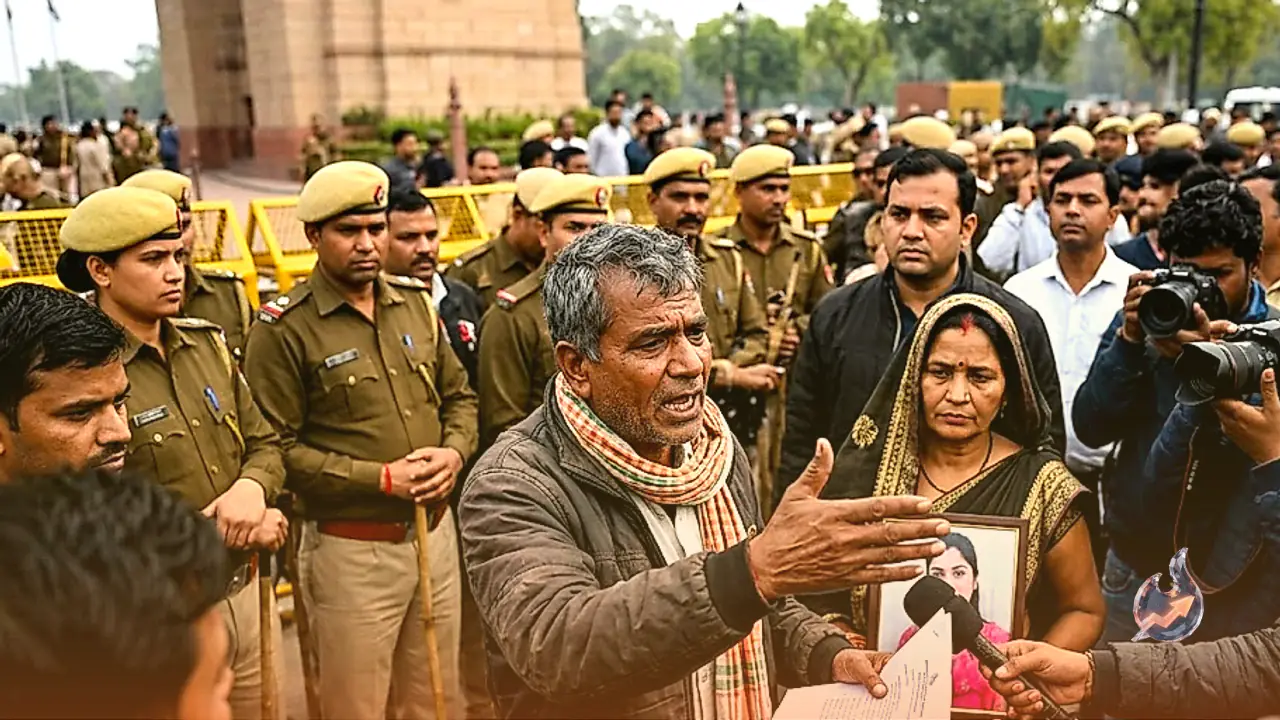
Outlining the operational factors behind the curbs, Govind Mohan stated that the administrative measures enacted on October 9 were solely aimed at averting a serious breakdown of public tranquility. Security agencies had received intelligence regarding an impending demonstration planned without requisite administrative permission. To illustrate the operational gravity, the affidavit pointed to the law enforcement challenges faced by the Delhi Police during the agitation of July 20 over the NEET paper leak controversy. The adverse situations encountered during that demonstration prompted the administration to take preventive precautions against fresh disruptions.
Targeted Suspension Confined to Raisina Hill Environs
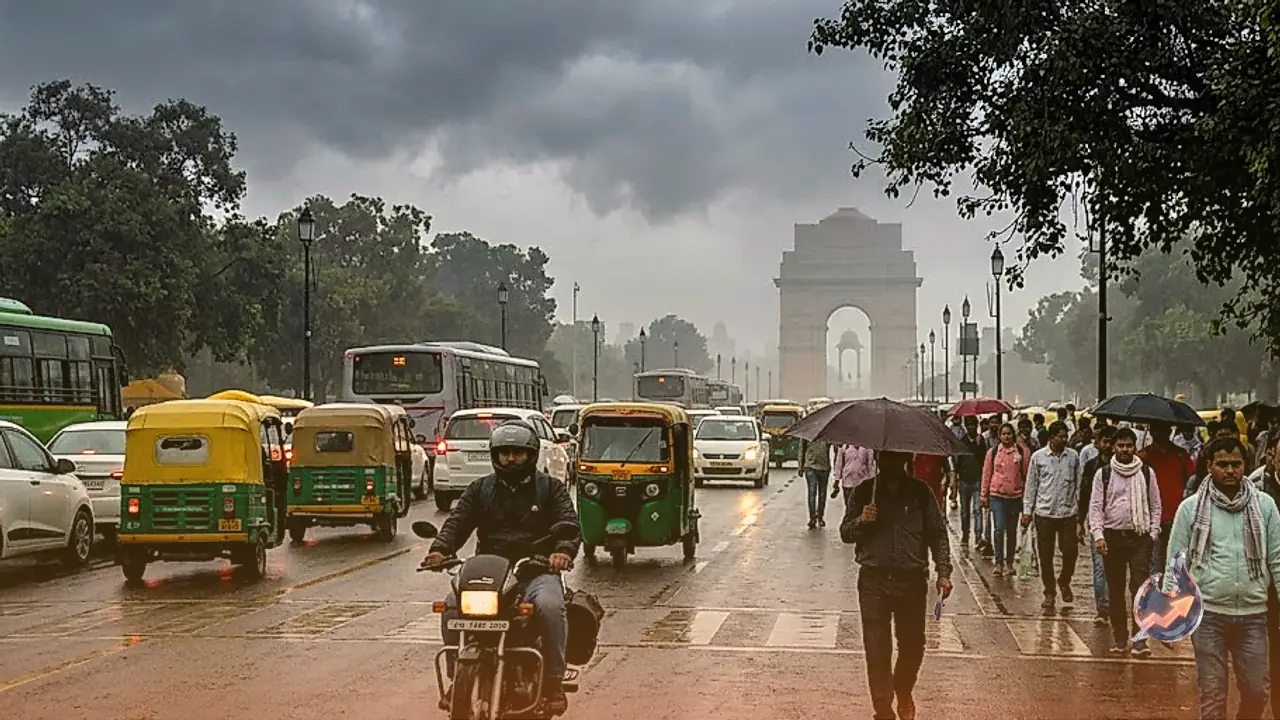
Clarifying the geographical and operational limits of the suspension, the Home Secretary stated that the Delhi Police had formally requested a one-day shutdown of mobile internet connectivity. The competent authority examined this request under statutory provisions and found it completely warranted in light of prevailing ground realities. It was emphasized that the restriction was neither citywide nor open-ended; rather, it was enforced within a four-kilometer radius of Raisina Hill. The shutdown lasted strictly for 24 hours, commencing at 10 PM on October 9 and concluding at 10 PM on October 10. Crucially, the order applied exclusively to cellular data, while residential and commercial broadband networks as well as Wi-Fi connections remained fully operational throughout the period.
Plea to Discharge Contempt Notice and Modify Guidelines
Concluding the formal submission, Govind Mohan requested the Supreme Court to recall and discharge the contempt notice issued against him. Furthermore, the Union Home Secretary urged the top court to revisit and modify its order dated October 11. The government pleaded that statutory authorities must retain operational latitude to impose temporary, localized internet suspensions during urgent public safety emergencies, provided such actions remain strictly governed by existing legal safeguards and statutory accountability mechanisms.