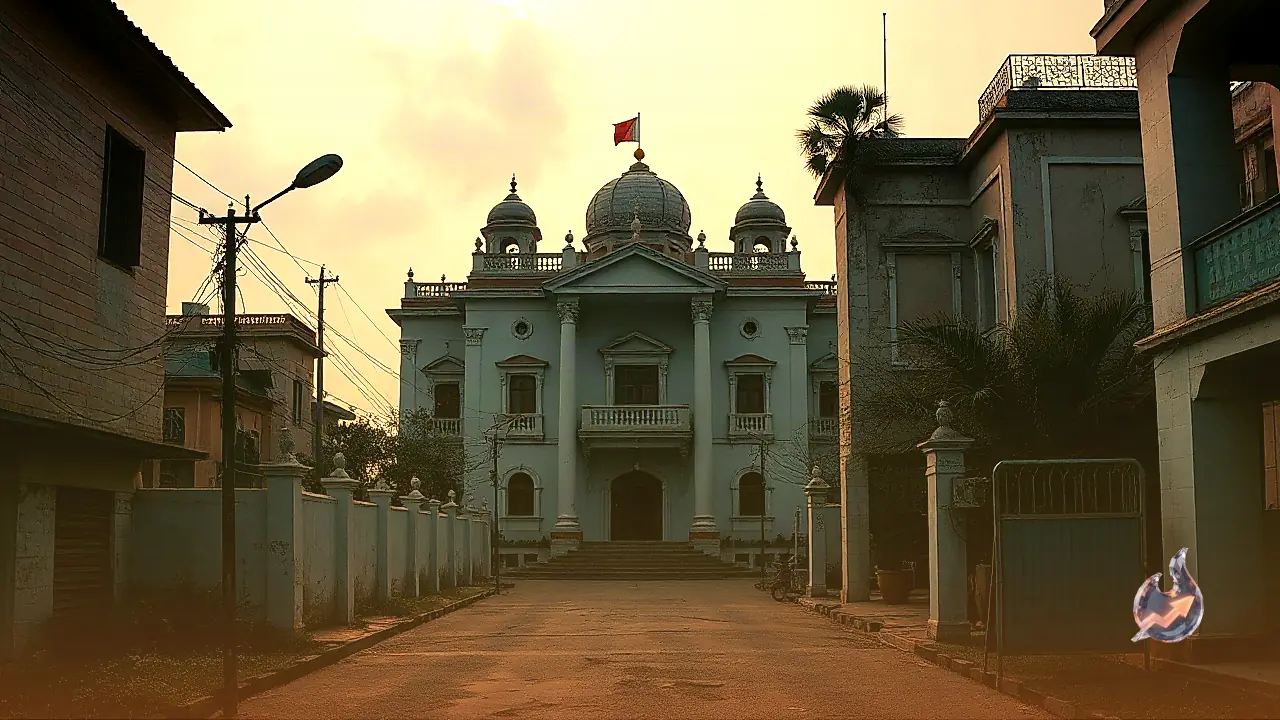


















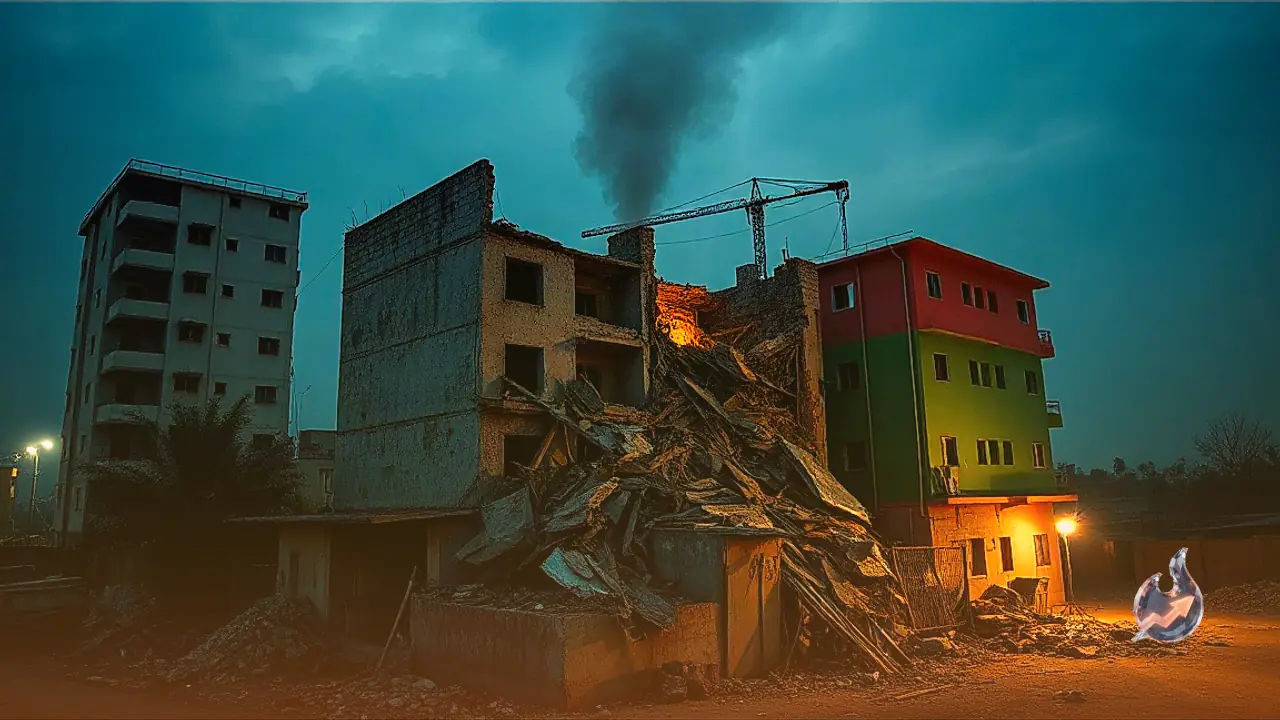

A severe safety crisis has claimed the lives of seven young students in the national capital following the sudden collapse of an illegally constructed paying guest (PG) building in Delhi's Satya Niketan area. The tragedy highlighted systemic administrative negligence and unregulated housing developments that cater to student populations migrating for higher education. Among those who lost their lives was Akshat, a native of Katni in Madhya Pradesh who was preparing for the civil services examinations (IAS). Another victim, Arpit from Dewas, had returned to Delhi that very morning after celebrating Raksha Bandhan with his family. The collapse also took the lives of Yuvraj from Durg, who had moved to the capital for higher studies, Abhishek from Sonbhadra in Uttar Pradesh, enrolled in a local Delhi college, and Pawan from Auraiya, whose educational ambitions ended in the rubble.
Substandard Living Conditions and Unregistered Vertical Expansion
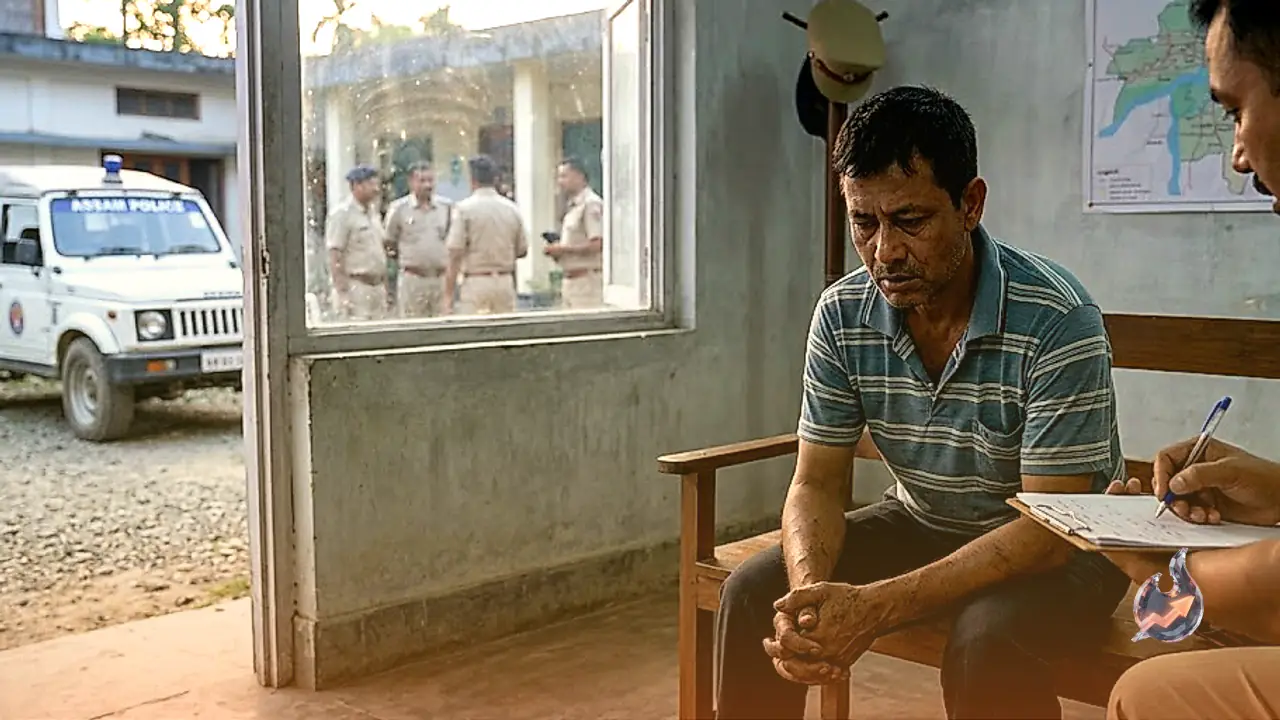
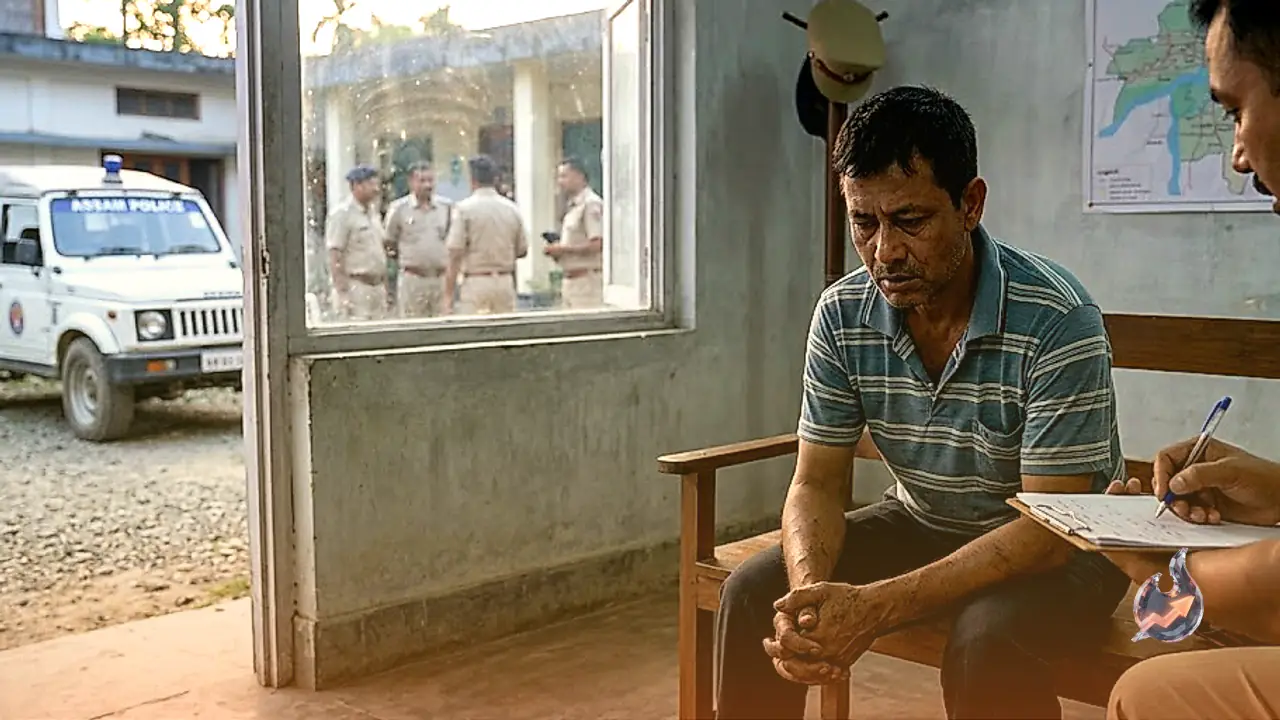
The victims were residing in cramped, matchbox-sized rooms within the hazardous building structure. Despite the unsafe living conditions, each student was being charged 20,000 rupees per month in rent under the guise of PG hostel accommodation. Official municipal records reveal that the building had received authorization strictly for a ground floor and one additional story. However, four full floors were built on top of the foundation in violation of safety codes. Law enforcement authorities tracked down and arrested the property owner in Bhiwadi, Rajasthan. Investigators established that the property deed was registered under the owner's wife, leading to her arrest as well. Additionally, their son, who handled the day-to-day operations and administration of the illegal PG facility, was taken into police custody.
Administrative Suspension and Delhi's Structural Safety Record
In response to the incident, Delhi Chief Minister Rekha Gupta issued immediate suspension orders against five high-ranking officials, including the Municipal Corporation of Delhi (MCD) Deputy Commissioner and Executive Engineer associated with the zone. Despite these disciplinary measures, recurring structural failures remain a broader systemic issue across the city. Municipal data over the past four years documents 133 separate building collapse incidents across Delhi, involving 1,133 structures and resulting in over 100 fatalities. Standard procedure following such events typically involves temporary official suspensions and formal investigative inquiries, yet illegal commercial conversions and unapproved construction projects frequently resume once public attention subsides.
Hazardous Density Across Major Student and Medical Hubs
Structural hazards extend well beyond Satya Niketan to prominent student hubs including Mukherjee Nagar, Govindpuri, Sant Nagar, and Rajendra Nagar. These neighborhoods feature narrow lanes measuring merely three to four feet in width, flanked by seven to eight-story residential buildings operating without emergency exits or basic safety infrastructure. Similar conversions are evident near major medical institutions, where residential units are converted into makeshift guest houses for patient relatives, bordered by diagnostic centers, pharmacies, food stalls, and street hawkers. In the event of a fire or structural failure, emergency vehicles such as fire tenders and ambulances are unable to navigate the congested thoroughfares. Sustained regulation will require a comprehensive long-term master plan to address student housing demands while enforcing building codes against local patronage networks.
Tragic Methanol Poisoning Claims 22 Lives in Sagar, Madhya Pradesh
In a parallel regulatory failure involving illegal trade networks, a spurious liquor tragedy in the Sagar district of Madhya Pradesh has resulted in 22 recorded deaths. Approximately 160 individuals remain hospitalized, with several patients in critical condition after consuming contaminated alcohol under a single brand label. Police authorities have registered criminal cases against 20 individuals and arrested 10 suspects in connection with the distribution network. Chemical analysis confirmed that toxic methanol was substituted in place of ethanol. Methanol is an industrial compound primarily utilized as an oil paint solvent, fuel component, and chemical precursor, making it highly lethal when ingested.
Jurisdictional Disputes and Counterfeit Operations Discovered in Gujarat
Following the fatalities in Sagar, state authorities suspended three regional officials: the Assistant Excise Commissioner, the Assistant District Excise Officer, and an Excise Sub-Inspector. The suspended personnel contended that excise department responsibilities are strictly confined to testing products sold through licensed government outlets, whereas illicit bootlegging enforcement falls under police jurisdiction. Meanwhile, police operations in Gwalior and Indore led to further seizures of illegal alcohol stocks. In prohibition-bound Gujarat, law enforcement uncovered a counterfeit liquor manufacturing facility operating in Morbi. Operators mixed hazardous chemicals and industrial dyes to manufacture fake liquor, which was subsequently packaged into empty branded whiskey bottles. Raiding officers seized 400 liters of bulk alcohol, hundreds of liters of prepared counterfeit liquor, 1,400 empty branded bottles, and brand labels, leading to the arrest of five individuals and the sealing of the facility.