


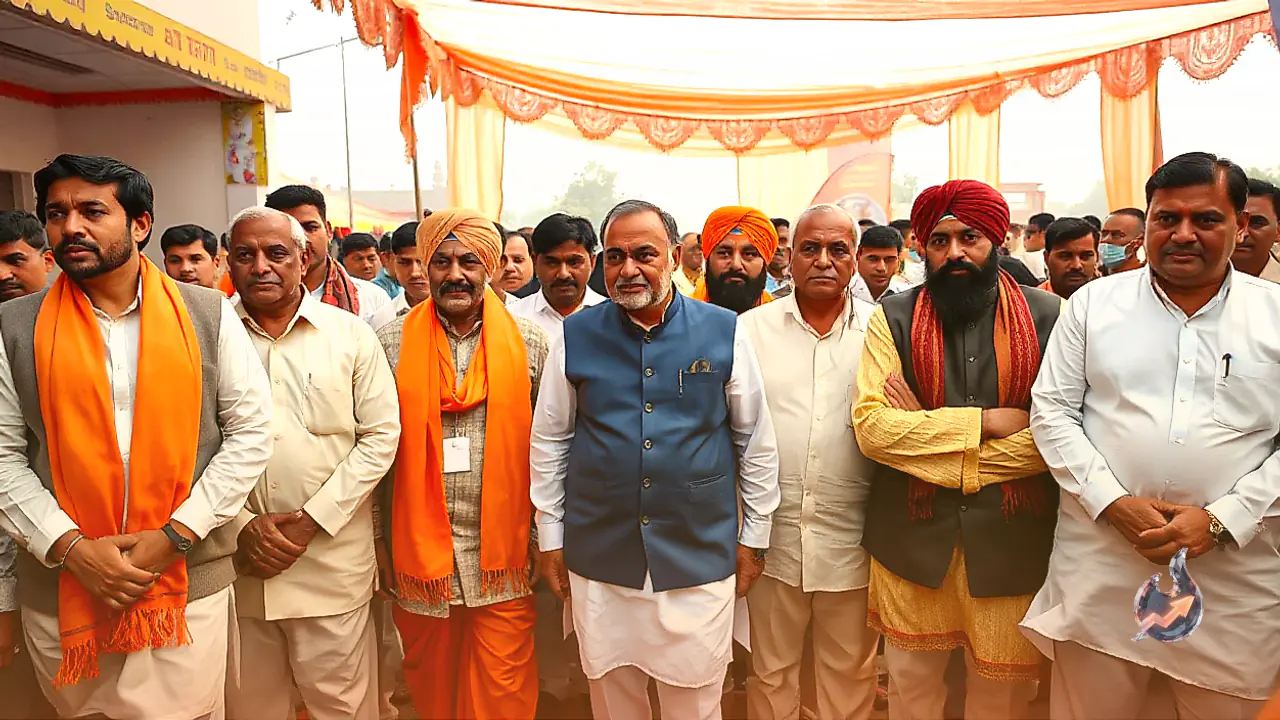
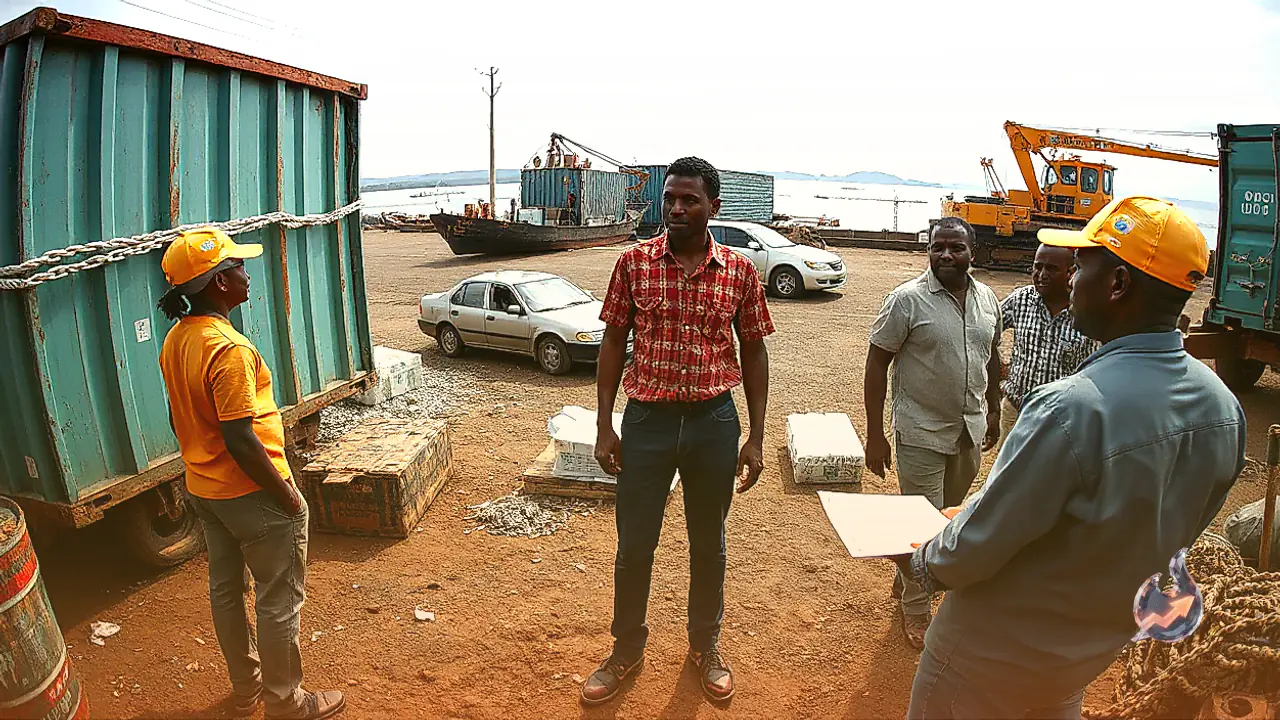
















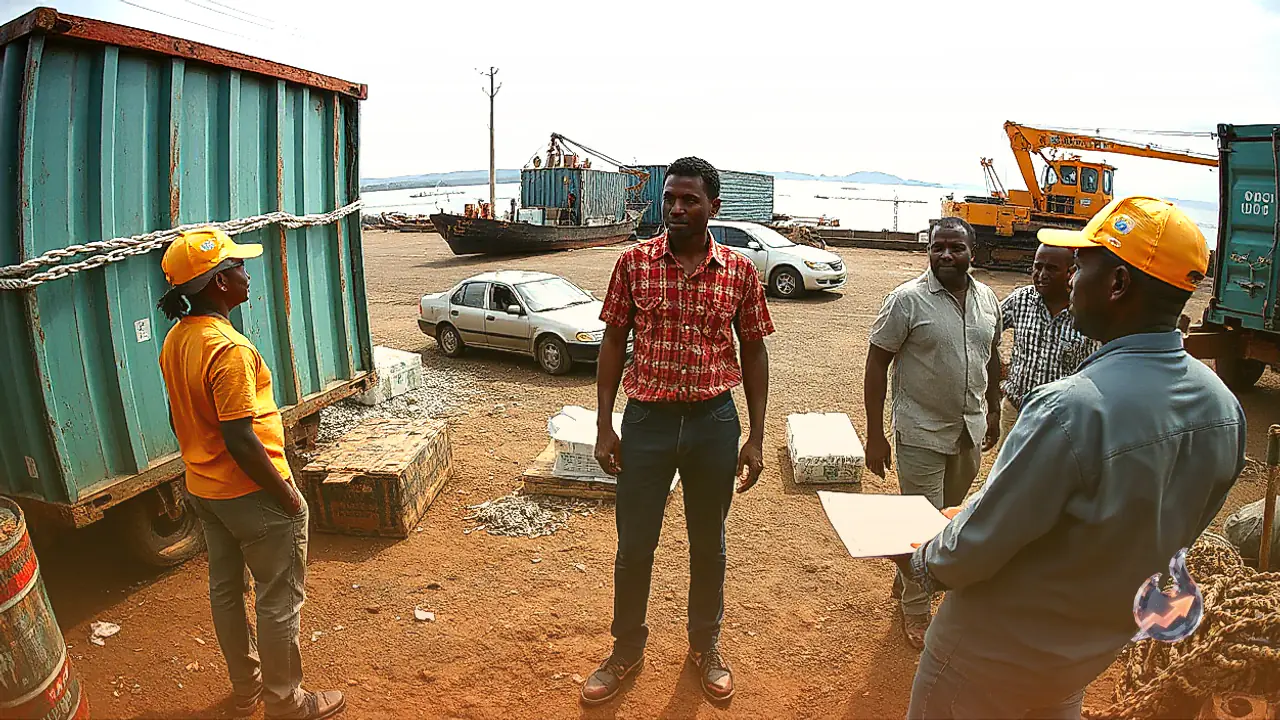

In an era marked by shifting trade dynamics and rising geopolitical headwinds, securing international supply lines and reducing economic vulnerabilities have taken center stage. Representing India at the Commonwealth Heads of Government Meeting (CHOGM 2026) in St. John's, Antigua and Barbuda, External Affairs Minister S. Jaishankar presented a decisive roadmap for member states. He underscored that future economic resilience hinges upon building dependable supply chains rather than relying on brittle, extended links. Addressing leaders and enterprise executives, the minister urged nations to de-risk their commercial relationships, construct shorter and more dependable logistics routes, and foster deeper connectivity across the 56-nation grouping.
Shorter Supply Routes and Robust Connectivity Corridors
The core message delivered by India focused on neutralizing disruptions before they destabilize national economies. Jaishankar emphasized that establishing compact, resilient supply chains is essential for safeguarding business continuity. To achieve this, countries must move beyond traditional transit lanes and invest heavily in multimodal connectivity corridors. Such infrastructure not only accelerates the flow of goods across borders but also upgrades domestic distribution hubs. The overarching objective is to translate multilateral pacts into tangible benefits for micro, small, and medium enterprises, as well as ordinary consumers on the ground.
Nine Core Pillars to Strengthen Commonwealth Collaboration
To steer Commonwealth cooperation toward measurable outcomes, the external affairs minister detailed nine actionable pillars
- De-risking and Supply Chain Resilience: Diversifying commercial ties to lower systemic exposure, prioritizing shorter transit cycles and dependable partner networks.
- Expanding Connectivity Corridors: Developing forward-looking transit links and enhancing domestic logistics ecosystems to facilitate friction-free commerce.
- Skills and Capacity Development: Broadening training and vocational avenues so partner nations cultivate agile workforces equipped for modern industry demands.
- Leveraging the Global Indian Business Community: Channeling the extensive reach of the Indian diaspora and business networks present across Commonwealth territories to open fresh trade avenues.
- Harnessing Digital Technologies: Integrating digital public systems to streamline governance, lower transaction barriers, and accelerate overall economic expansion.
- Coordinated Climate Action: Mobilizing specialized multilateral vehicles such as the International Solar Alliance and the Coalition for Disaster Resilient Infrastructure to counter climate risks.
- Establishing Local Disaster Response Hubs: Drawing upon India's extensive humanitarian relief operations to set up decentralized response centers capable of swift community deployment.
- Facilitating Talent and Mobility: Designing streamlined frameworks for the cross-border movement of certified professionals and skilled personnel to meet mutual economic requirements.
- Capitalizing on Shared Trust: Converting longstanding institutional familiarity and mutual goodwill among Commonwealth nations into sustainable trade expansion and collective prosperity.
Bilateral Dialogue with British Prime Minister Andy Burnham
On the margins of the summit, Jaishankar held a bilateral meeting with United Kingdom Prime Minister Andy Burnham. Conveying warm greetings from Prime Minister Narendra Modi, the external affairs minister reviewed the trajectory of India-UK relations. Discussions centered on expanding the bilateral economic partnership under the framework of the Comprehensive Economic and Trade Agreement (CETA), alongside exchanges on pressing international and regional affairs.
Digital Public Infrastructure and Balanced Trade Pacts
Earlier on November 4, during the executive sessions of the summit, India showcased its digital public infrastructure framework as a scalable template for emerging economies. Organized under the theme of driving partnerships and investment for a prosperous Commonwealth, the conference provided a platform for India to highlight its recent free trade agreements and citizen-centric governance tools. By integrating technology, capacity building, climate resilience, and secure trade corridors, India signaled its intention to anchor the Commonwealth alliance on practical, sustainable, and shared developmental priorities.