


















Immediately following a transition in military leadership, the operational readiness of domestic aerospace production took centre stage in New Delhi. Air Chief Marshal Ashutosh Dixit, having assumed the role of the 29th Chief of the Air Staff, met with Ravi K., the Chairman and Managing Director of Hindustan Aeronautics Limited. While the meeting served as an official congratulatory occasion for the incoming chief, deliberations quickly shifted toward reviewing critical ongoing defense hardware projects.
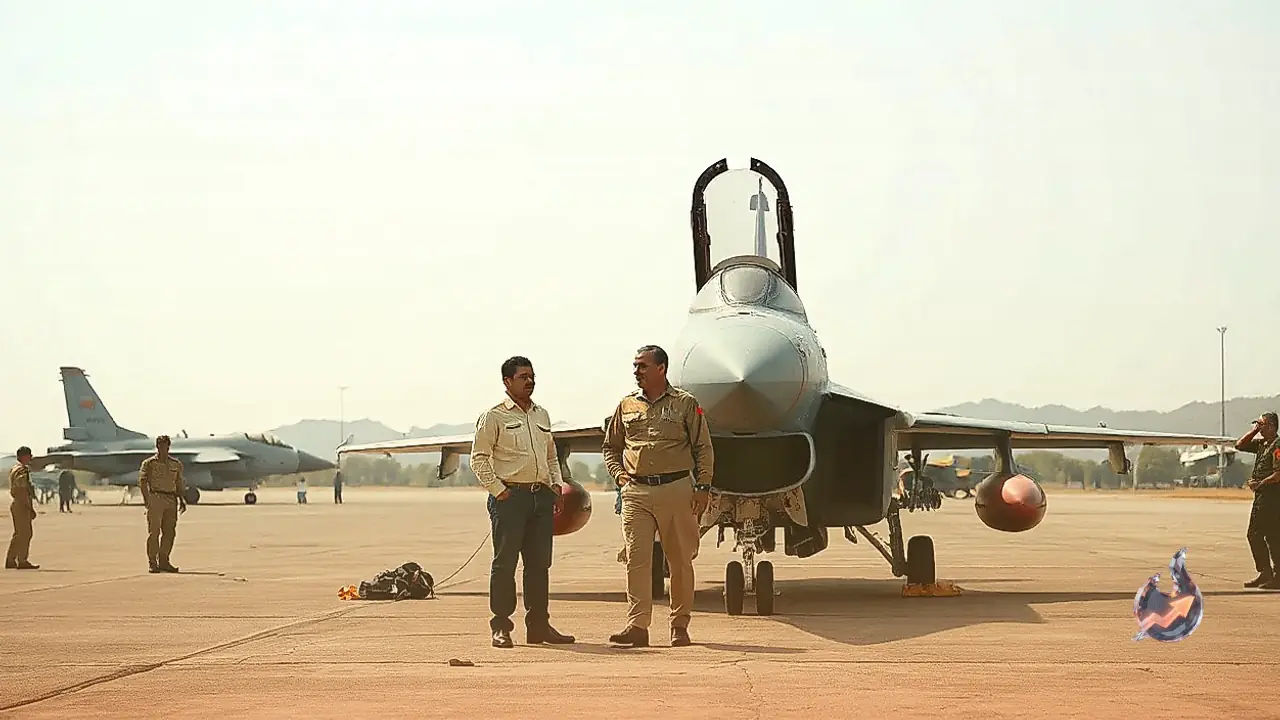
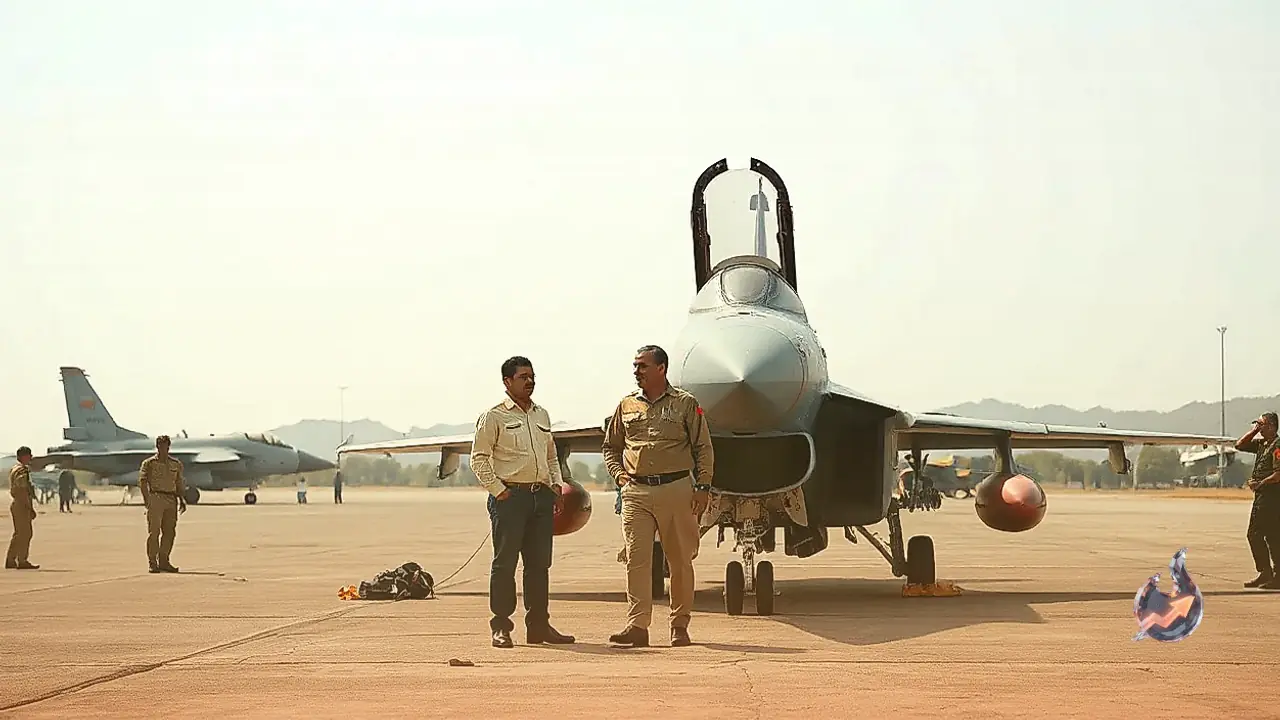
The strategic dialogue revolved extensively around the progress of domestic aviation initiatives. The HAL leadership briefed the newly appointed air chief on manufacturing schedules, with primary focus resting on the Tejas Mk1A light combat aircraft programme. Discussions also touched upon next-generation platforms, locally developed avionics sensors, and modern weapon integration required by the frontline forces.
A Seamless Transition Amid Fleet Modernisation Demands
Air Chief Marshal Ashutosh Dixit formally stepped into his command role on 31 October 2026, taking over from Air Chief Marshal Amar Preet Singh. His appointment comes at a crucial juncture when the air force is actively seeking to replenish its fighter squadron strength to address evolving regional security dynamics. Achieving these operational goals hinges almost entirely on speeding up delivery timelines from domestic production facilities.
Setting forth his command objectives, the air chief has placed native aerospace initiatives at the forefront. Beyond accelerating the immediate roll-out of the Tejas Mk1A, his focus spans the more capable Tejas Mk2 variant and the fifth-generation Advanced Medium Combat Aircraft, widely known as the AMCA project. Navigating these demanding commitments requires frictionless collaboration between service planners and aerospace manufacturers.
The Shadow of Past Friction Over Production Delays
This high-level engagement between military brass and public sector leadership carries significant historical weight. During the Aero India event in February 2025, former air force chief Air Chief Marshal AP Singh had publicly expressed deep frustration over perpetual delays affecting the Tejas manufacturing schedule.
Voicing intense discontent with missed project milestones, the previous air force chief had stated,
"Right now I have no trust in HAL."He emphasized that defense manufacturing entities must adopt a mission-mode mindset and adhere strictly to promised deadlines. That unusually candid public critique had sparked an intense nationwide debate concerning accountability, supply bottlenecks, and execution speed within India's indigenous military production sector.
Strengthening Collaboration to Overcome Supply Bottlenecks
Despite previous criticism, Hindustan Aeronautics Limited remains the fundamental anchor for India's self-reliant fighter jet ambitions. The air force's modernization drive cannot succeed without the state aerospace manufacturer scaling up delivery rates. Consequently, establishing clear expectations between the new service chief and corporate management is considered paramount.
The coming quarters will test whether revamped coordination can resolve persistent supply chain challenges and get the Tejas Mk1A deliveries back on schedule. Resolving these bottlenecks is essential not only to shore up fighter numbers in active service, but also to instill confidence in upcoming high-stakes ventures like the AMCA program.