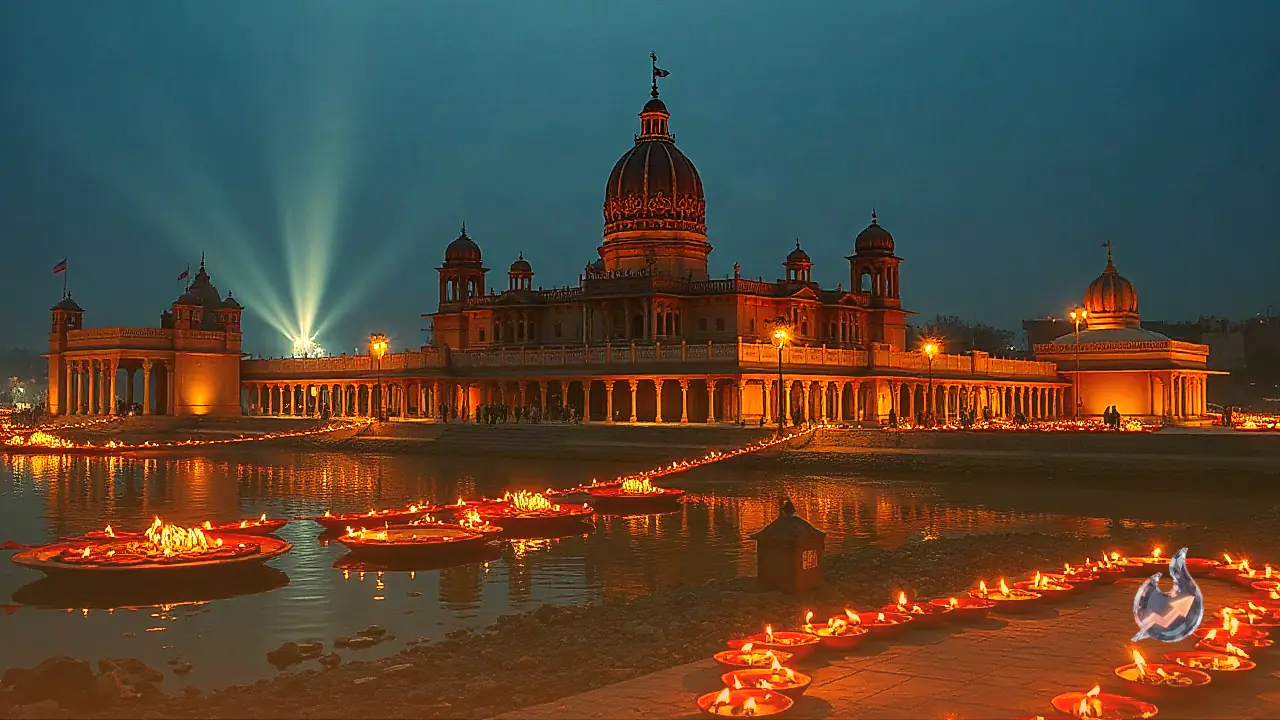


















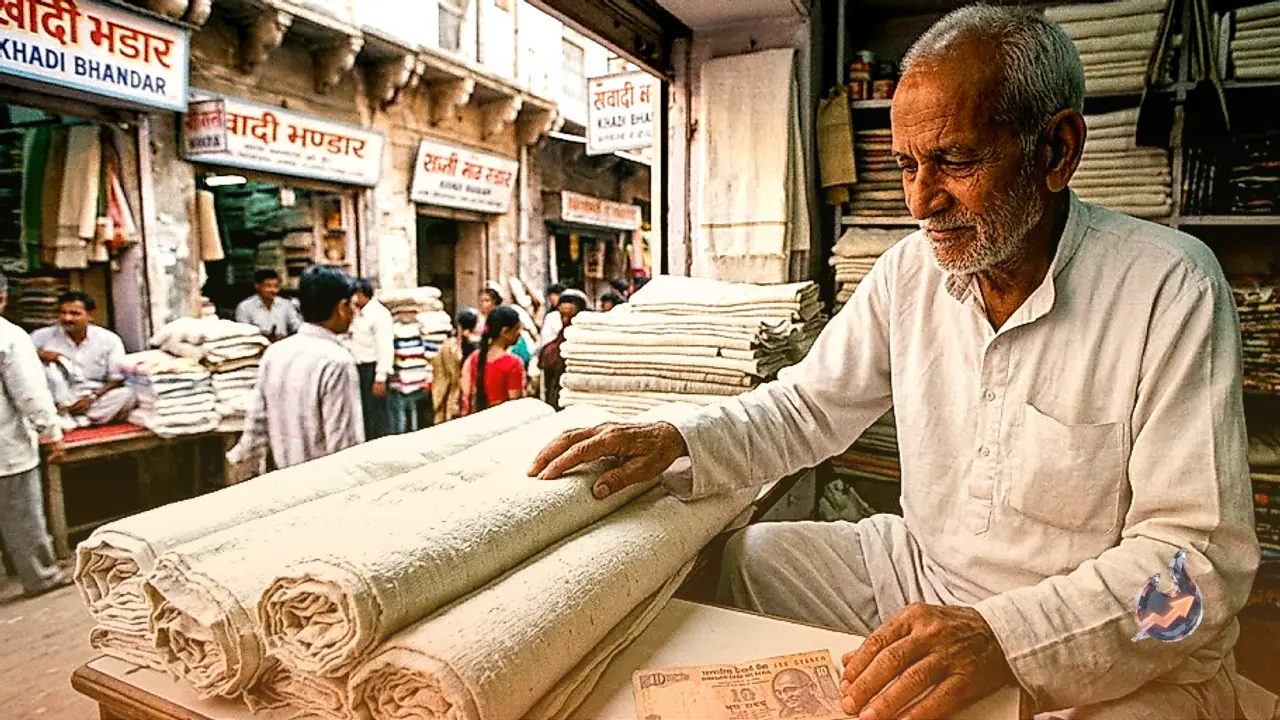

The portrait of Mahatma Gandhi featuring his trademark white khadi dhoti on Indian currency holds a profound historical connection to the heritage city of Mathura. The city's involvement in the independence struggle was not merely confined to the momentous year of 1947; it holds profound memories from the uprisings of 1919 and 1921 as well. According to historical records, Gandhi arrived in Mathura in 1921, an occasion that proved to be a decisive catalyst for the nationwide boycott of foreign textiles and the permanent adoption of handspun khadi. That very white khadi attire remains immortalized on Indian banknotes today.
Mathura and Its Crucial Role in the Freedom Movement
Historian Dr. Suresh Chandra Sharma has noted that Mathura served as an active cradle for anti-colonial resistance across different decades. The city witnessed the sparks that eventually fueled the final independence struggle of 1947, alongside the widespread resistance against British authorities in 1919 and 1921. Among these milestones, the visit of 1921 stands out as an extraordinary turning point that reshaped Gandhi's personal life, public image, and political symbolism.
The Train Encounter and Economic Realities of Foreign Cloth
The sequence of events leading to this sartorial transformation began when Mahatma Gandhi was traveling by train from Madurai toward Mathura. During the journey, he observed several laborers dressed in foreign-manufactured garments. When he questioned the workers about why they chose imported attire that financially enriched the colonial British regime, the laborers gave an honest economic justification: foreign textiles were far cheaper and more affordable for impoverished families than domestic khadi.
Upon reaching Mathura railway station, Gandhi proceeded to address a large public gathering, only to find an identical reality unfolding before his eyes. The attendees had predominantly donned foreign clothes rather than indigenous handspun garments. When Gandhi inquired about the widespread reliance on foreign fabric among the gathering, people echoed the same dilemma, explaining that imported cloth cost significantly less than khadi.
Renunciation of Attire and the Lifelong Pledge for Khadi
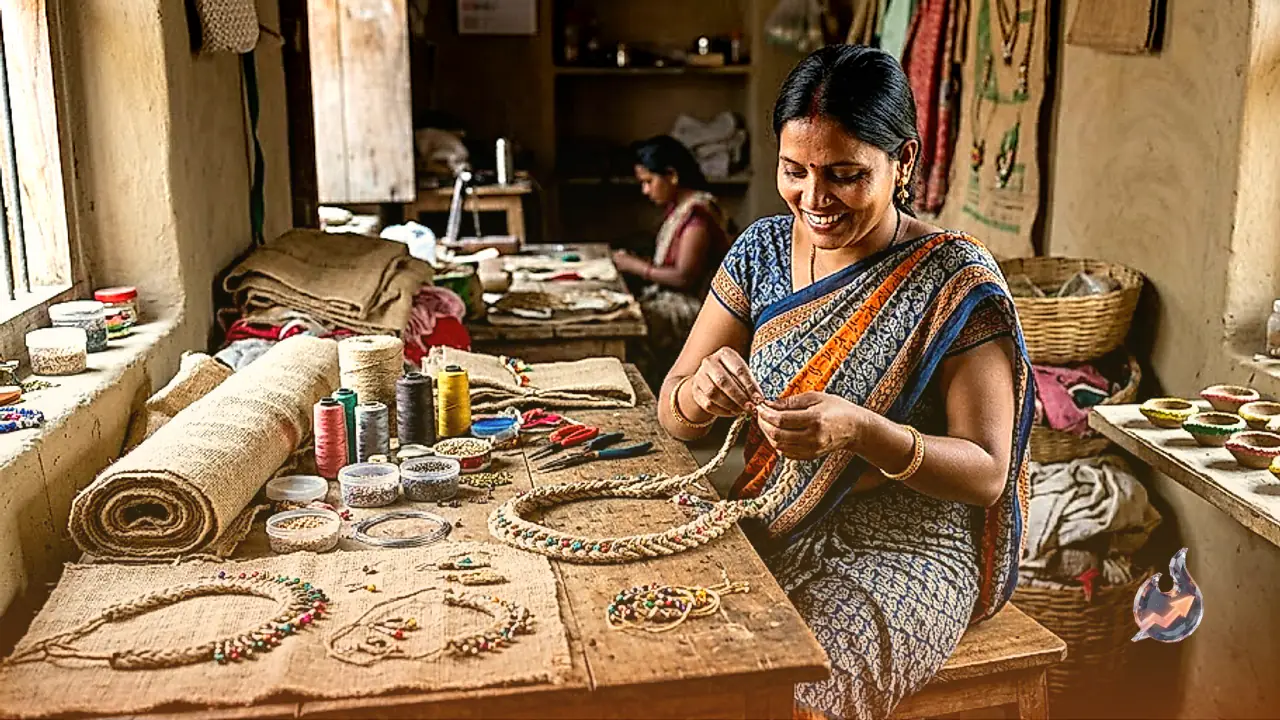
The stark economic truth shared by ordinary workers profoundly moved Mahatma Gandhi and altered his perspective on public leadership. Recognizing that he could not convincingly urge the impoverished masses to make economic sacrifices without embodying their lived reality, he made an instant and resolute decision. Gandhi shed the formal clothing he was wearing, burned his personal garments, and adopted the simple white khadi dhoti as his sole attire. From that day onward, every political tour and personal journey across the country was undertaken in this modest attire.
From the Salt March to Modern Indian Banknotes
Dr. Suresh Chandra Sharma explained that the vow taken in Mathura in 1921 stayed with Mahatma Gandhi until his final breath. When he embarked on the historic Salt March against colonial taxes, he led the movement dressed in the same signature dhoti, issuing an earnest appeal to the entire country to embrace khadi and self-reliance. The contemporary portraits preserved on Indian currency prominently showcase Gandhi draped in that handwoven fabric, serving as a permanent tribute to the historic resolution forged on the soil of Mathura.