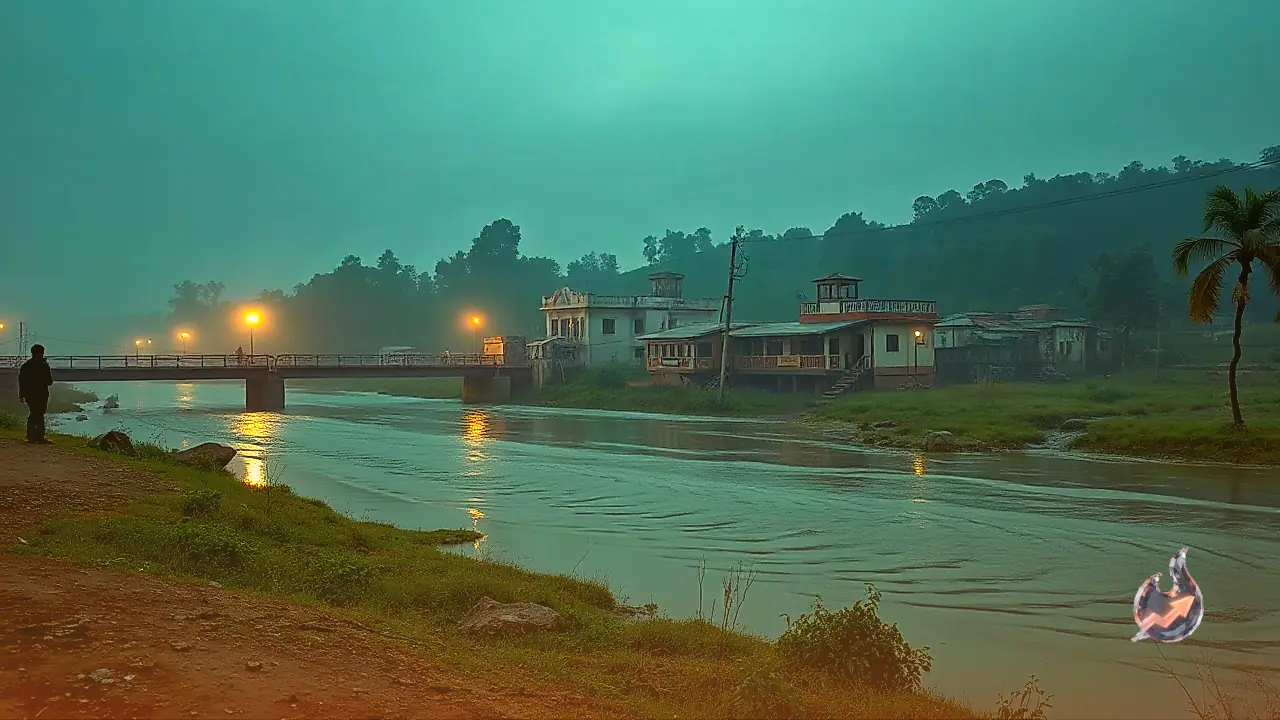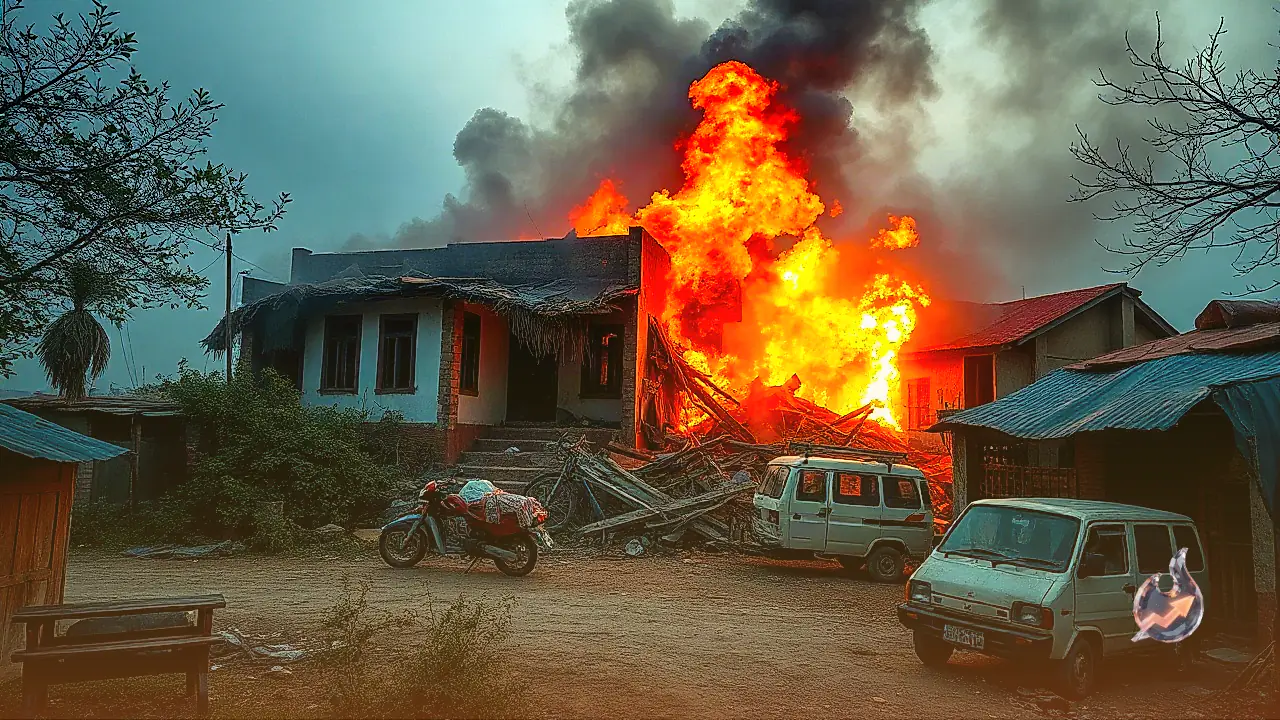
























The final week of September has brought severe weather challenges to several parts of India, leaving a trail of destruction across more than 14 states. From the rugged terrains of the Northeast to the high peaks of Uttarakhand and Himachal Pradesh, the weather has taken a turbulent turn. Intense rainfall in Uttar Pradesh, Bihar, Odisha, and West Bengal has triggered widespread waterlogging, throwing daily life into complete disarray. The meteorological department has sounded a red alert for heavy downpours until September 29 in Chhattisgarh, Jharkhand, Odisha, and West Bengal. In Uttar Pradesh alone, 63 districts are battling this intense weather system, with major urban centers like Lucknow, Kanpur, and Gorakhpur turning into virtual flood zones where streets resemble rivers and homes are inundated.
The Meteorological Phenomenon Behind the Off-Season Deluge
According to weather experts, this sudden spell of intense precipitation is driven by a powerful atmospheric system. A deep depression currently centered over South Chhattisgarh and its adjoining regions is actively steering the weather patterns of Central and East India. This system is steadily moving in a north-north-westerly direction, pulling vast amounts of moisture-laden winds from the sea. As these winds travel inland, they are releasing torrents of water along their path, resulting in large-scale flooding across several states.
Understanding the Formation of a Deep Depression
The formation of a deep depression over sea surfaces is a complex thermodynamic process initiated by a sharp fall in atmospheric pressure and elevated sea surface temperatures. When ocean waters reach temperatures exceeding 26 degrees Celsius, the air directly above the water heats up, expands, and ascends rapidly. This upward movement leaves behind an atmospheric void, creating a Low Pressure Area. When this low-pressure system intensifies and surrounding winds draw inward at speeds between 31 and 50 kilometers per hour, it is classified as a standard depression. However, when the system gains more energy and the circulating wind speeds accelerate to a range of 51 to 62 kilometers per hour, it escalates into a hazardous deep depression, which is currently driving the stormy weather.
Uttar Pradesh Hard Hit: 63 Districts Face Severe Flooding and Power Outages
The state of Uttar Pradesh is facing the brunt of this late-season monsoon fury. A total of 63 districts, including Lucknow, Kanpur, Gonda, Shravasti, and Gorakhpur, are currently experiencing continuous heavy downpours. Water has breached residential colonies, submerging ground floors and trapping residents indoors. In rural pockets of Gorakhpur, Deoria, Mau, and Ballia, high-velocity winds accompanying the rain have uprooted hundreds of trees and electricity poles, leading to widespread power cuts. The severe weather has also affected political schedules, leading to the cancellation of AIMIM Chief Asaduddin Owaisi's scheduled visit to Shravasti.
Decades-Old Rain Records Shattered in Lucknow and Kanpur
The current weather spell has rewritten meteorological history in key urban areas of Uttar Pradesh. In the state capital, Lucknow, the rainfall has broken a 15-year-old record. Meanwhile, the industrial hub of Kanpur has recorded its heaviest rainfall in 45 years. The sheer volume of water has turned residential lanes, commercial districts, and village roads into deep pools. In rural areas, hundreds of bighas of standing crops have been submerged, dealing a heavy blow to farmers. The combination of high winds, lightning strikes, and rain-induced accidents has led to 15 deaths across the state, while approximately 117 residential structures have collapsed.
Structural Damages and Heritage Sites Under Threat
The relentless rainfall has also taken a toll on historical landmarks and modern infrastructure. In Lucknow, the upper portion of the historic Husainabad Gate collapsed due to the continuous moisture seep. Fortunately, no pedestrians or vehicles were underneath the structure at the moment of the collapse, preventing any casualties. Authorities have temporarily sealed off the passage beneath the gate as a safety measure and have announced plans to initiate restoration work soon. Meanwhile, infrastructure disruptions were also reported from Unnao, where the area near the Bashiratganj toll plaza on the Ganga Expressway became completely waterlogged, halting vehicular movement and stranding travelers.
Interstate Emergency Operations and Rising Rivers
The crisis is not limited to Uttar Pradesh. In Odisha, Chhattisgarh, and Jharkhand, active rescue operations are being conducted by the SDRF and NDRF to evacuate stranded citizens from low-lying areas. In Bihar, the water levels of the Kosi and Gandak rivers are rising rapidly, putting downstream villages at high risk of flooding. Coastal districts of West Bengal are experiencing rough seas with high waves and strong winds, prompting authorities to issue strict warnings advising fishermen and locals to stay away from the coast. Concurrently, high-altitude regions of Himachal Pradesh and Uttarakhand have witnessed fresh snowfall, bringing a sudden chill to the northern plains.