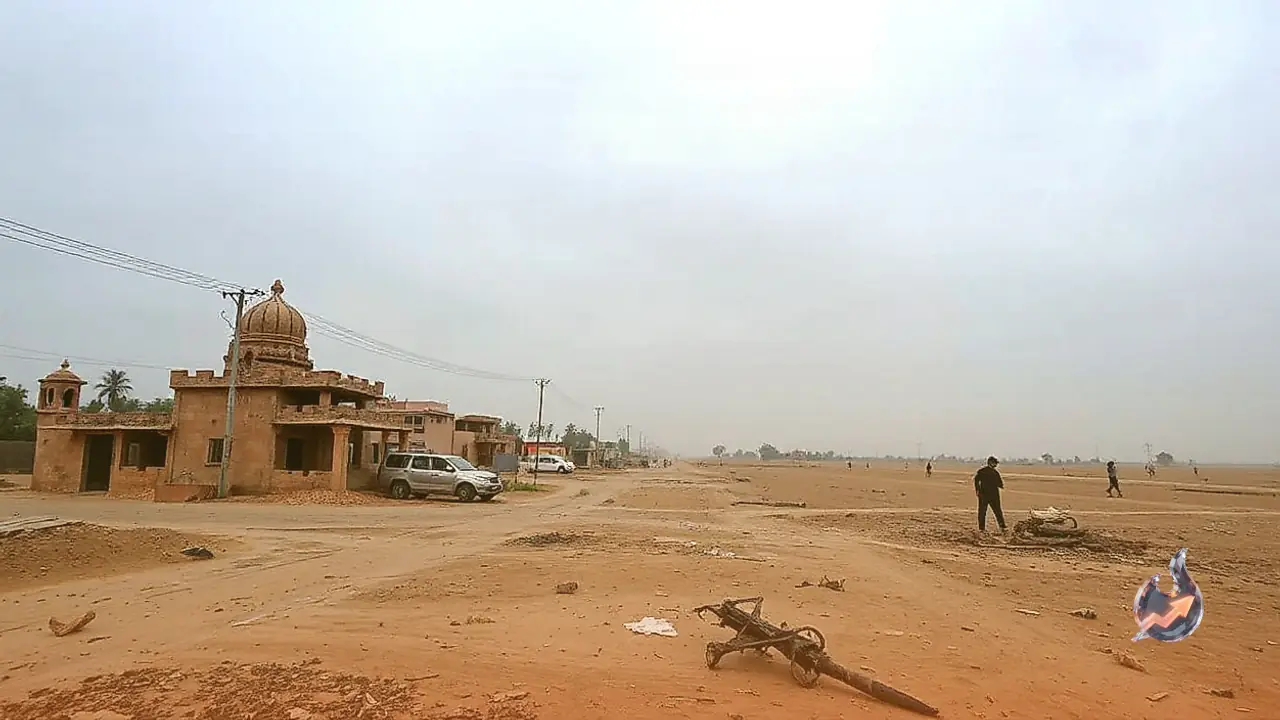
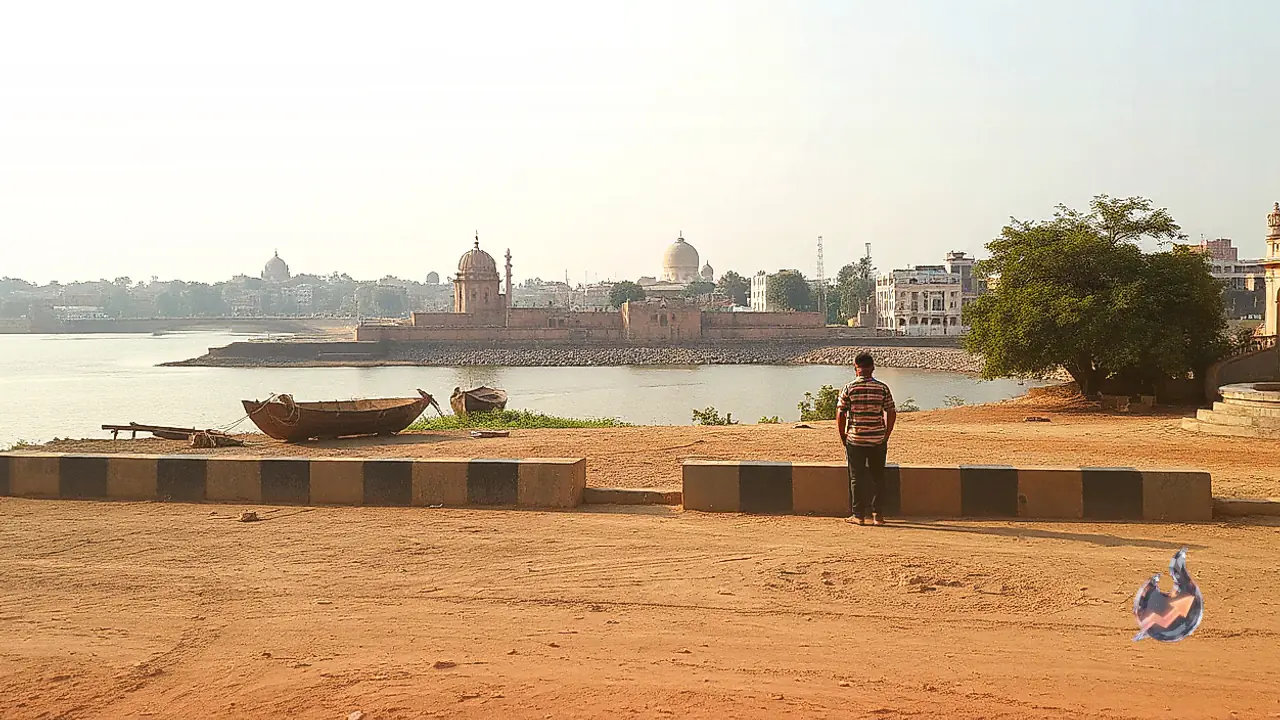


















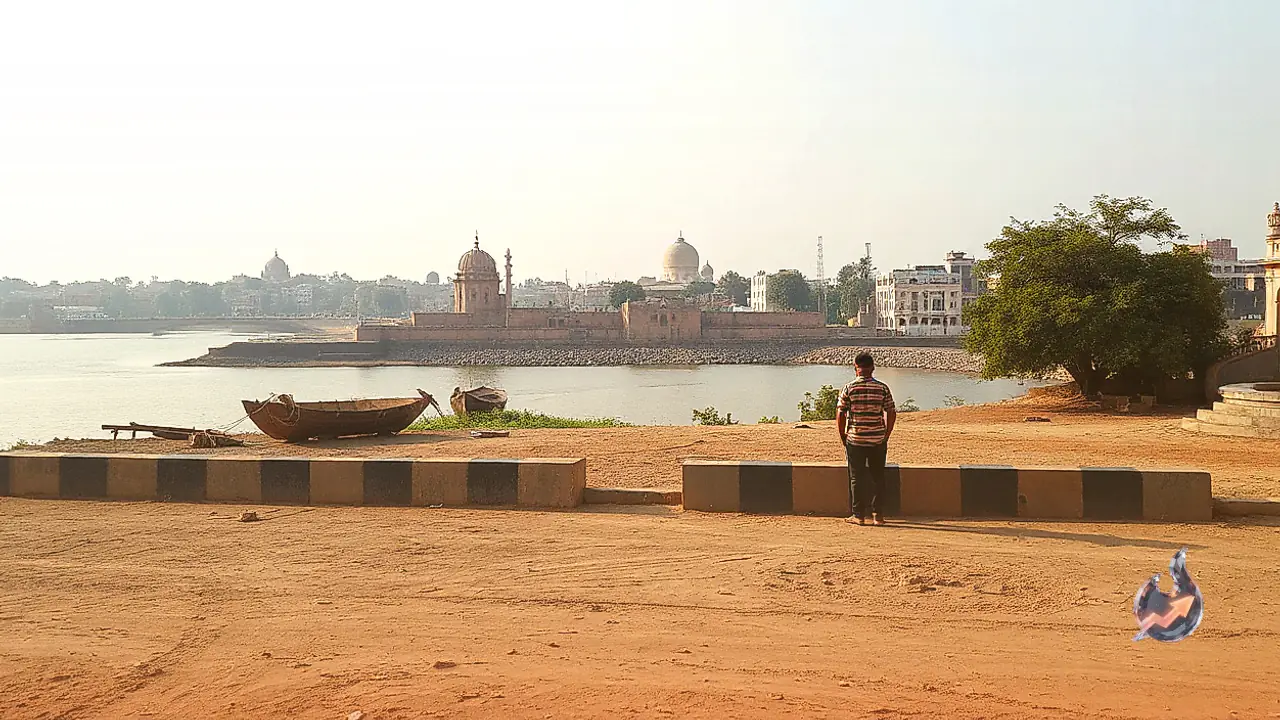

A major urban water restoration drive has been initiated in Hyderabad to rescue and rejuvenate one of the city's oldest water reservoirs. Located in the northern corridor of the city, the historic Fox Sagar Lake is being developed into a scenic mini Tank Bund modeled directly after the prominent Hussain Sagar lakefront. The administration has allocated an expenditure of around Rs 75 crore for the initial phase of this extensive revitalization project. The overarching goal is to breathe new life into the degraded water body, rehabilitating its surrounding ecosystem while transforming it into a vibrant public hub for green leisure and city tourism.
Nizam Era Origins and Historical Purpose
Historical records show that Fox Sagar is an approximately 129-year-old water heritage site dating back to the Nizam period. Built in the year 1897 during the reign of Mahbub Ali Khan, the sixth Nizam of Hyderabad, the reservoir was originally commissioned to meet the drinking water demands of the urban population and to provide a dependable irrigation supply for agricultural parcels in neighboring areas. In its prime, the expansive water body was celebrated across the region for its unpolluted freshwater, lush surroundings, and thriving bird populations that found shelter around its waters.
Impact of Jeedimetla Industrial Waste and Urban Encroachment
Over recent decades, aggressive urban expansion and unregulated industrial growth severely degraded the reservoir's ecology. Due to its immediate proximity to the Jeedimetla industrial corridor, untreated chemical effluents from manufacturing units, untreated municipal sewage, and solid urban refuse poured into the waters over an extended period. Simultaneously, illegal constructions and systematic encroachments across the lake's catchment zones caused its boundaries to shrink drastically, degrading water storage capacity and placing the water body's survival under severe threat.
Scientific Desilting and Reclaiming 150 Acres
To reverse this ecological decline and safeguard the historical asset, the administration has formulated a structured restoration blueprint. As an immediate step, the plan targets clearing encroachments and reclaiming nearly 150 acres of the lake area. Specialized scientific techniques will then be deployed to extract the decades-old layer of hazardous industrial sludge and toxic silt settled across the lake bed. To prevent recurring pollution, advanced Sewage Treatment Plants (STP) will be installed, ensuring that wastewater is fully treated and neutralized before entering the reservoir basin.
Tourism Development and Environmental Benefits
The beautification component of the project focuses on establishing modern public infrastructure along the lake's perimeter. Visitors and local residents will have access to dedicated pedestrian walkways, illuminated green pathways, energy-efficient night lighting, seating benches, and professional landscaping. Once completed, the lakefront will offer nearby communities a well-maintained urban recreation zone, stabilize and elevate the groundwater table across surrounding residential clusters, and restore ecological balance to the local environment.