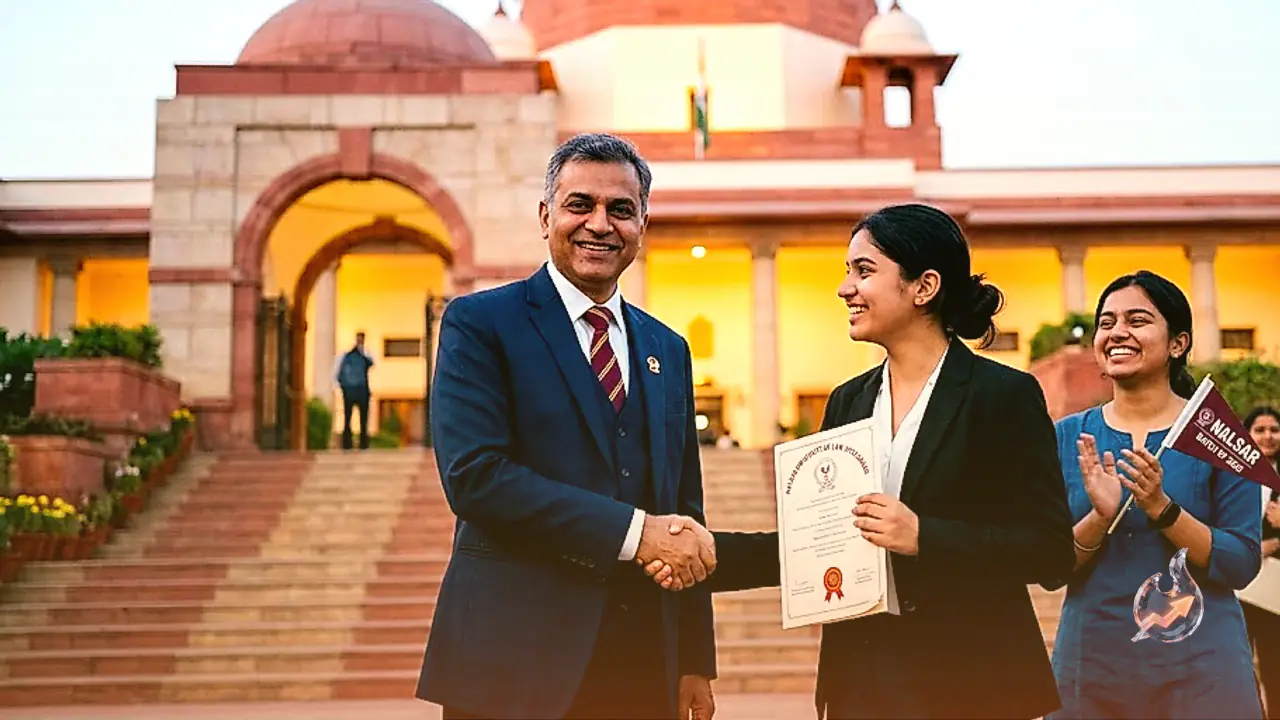
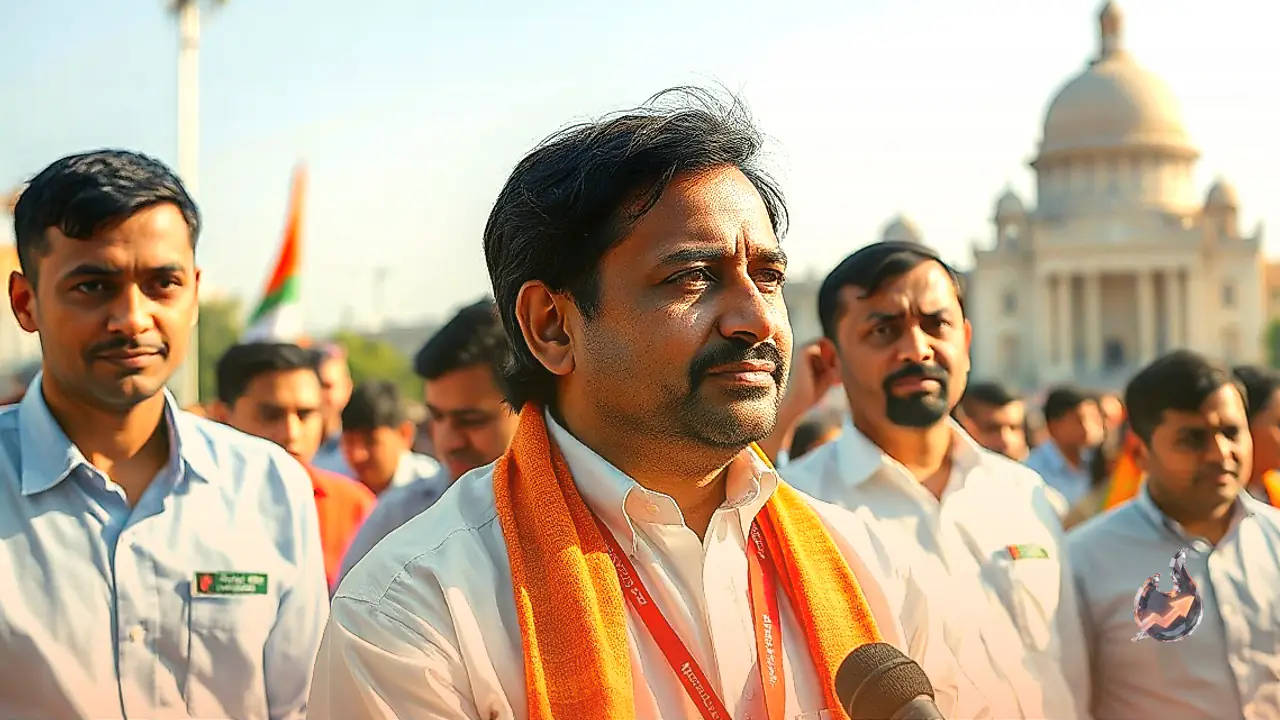


















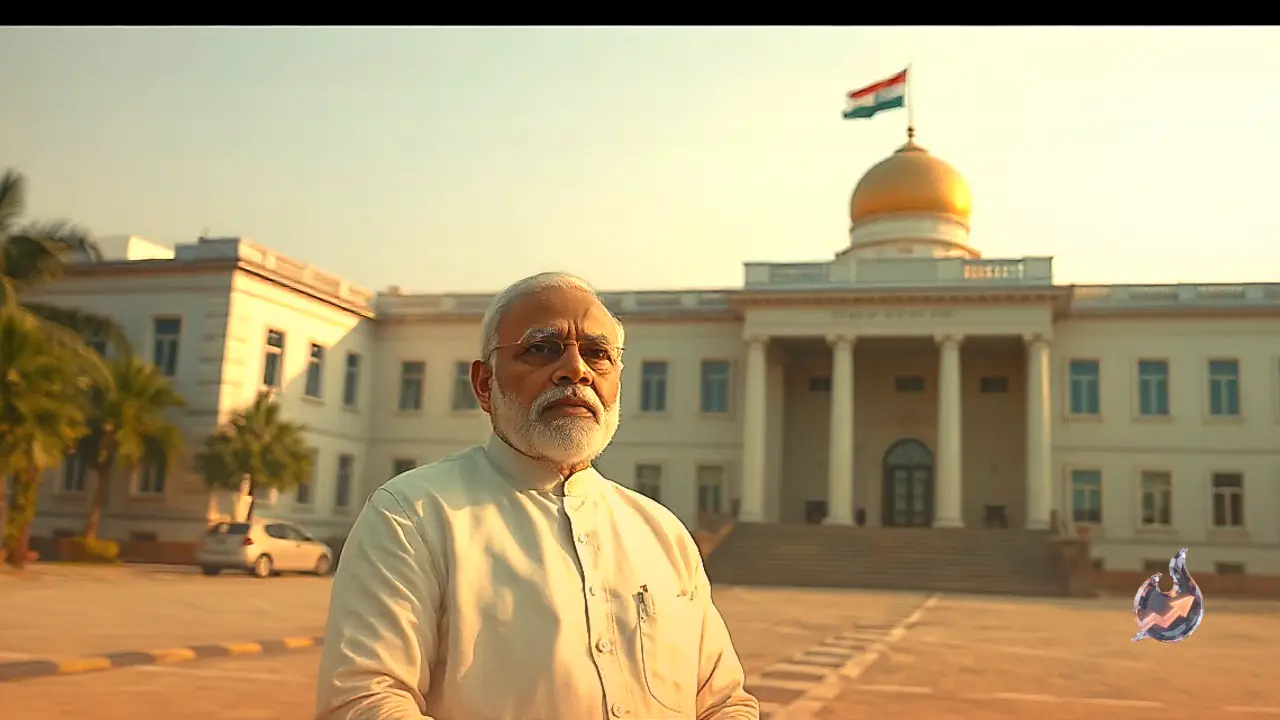

In an era dominated by short form content and digital distractions, Prime Minister Narendra Modi delivered a resonant message emphasizing the enduring value of books and self-discipline. Addressing a gathering organized for the unveiling of the autobiography of former President Ram Nath Kovind, the Prime Minister highlighted how modern lifestyles are increasingly shaped by smartphones. He observed that while creating or consuming short video reels is not inherently problematic, maintaining strict control over one's time is vital. Scrolling through digital feeds often consumes hours unnoticed, making personal self-restraint and conscious time management indispensable for the younger generation.
Declining Reading Habits and Impact on Child Development
Prime Minister Narendra Modi urged the youth to regularly read biographies of national icons and draw valuable lessons from their lifelong struggles. Expressing concern over broader societal trends, he noted that screen dependency is no longer confined to young adults but spans across all age groups. Young children, in particular, are suffering from severe mobile screen addiction, which severely hinders their cognitive development and exposes them to various health complications. The traditional habit of reading books is rapidly diminishing. The Prime Minister specifically called on parents who routinely hand smartphones to toddlers instead of books to reflect on the long-term consequences and actively reintroduce a culture of reading within households.
Parliamentary Panel Report on Former High Court Judge Yashwant Verma
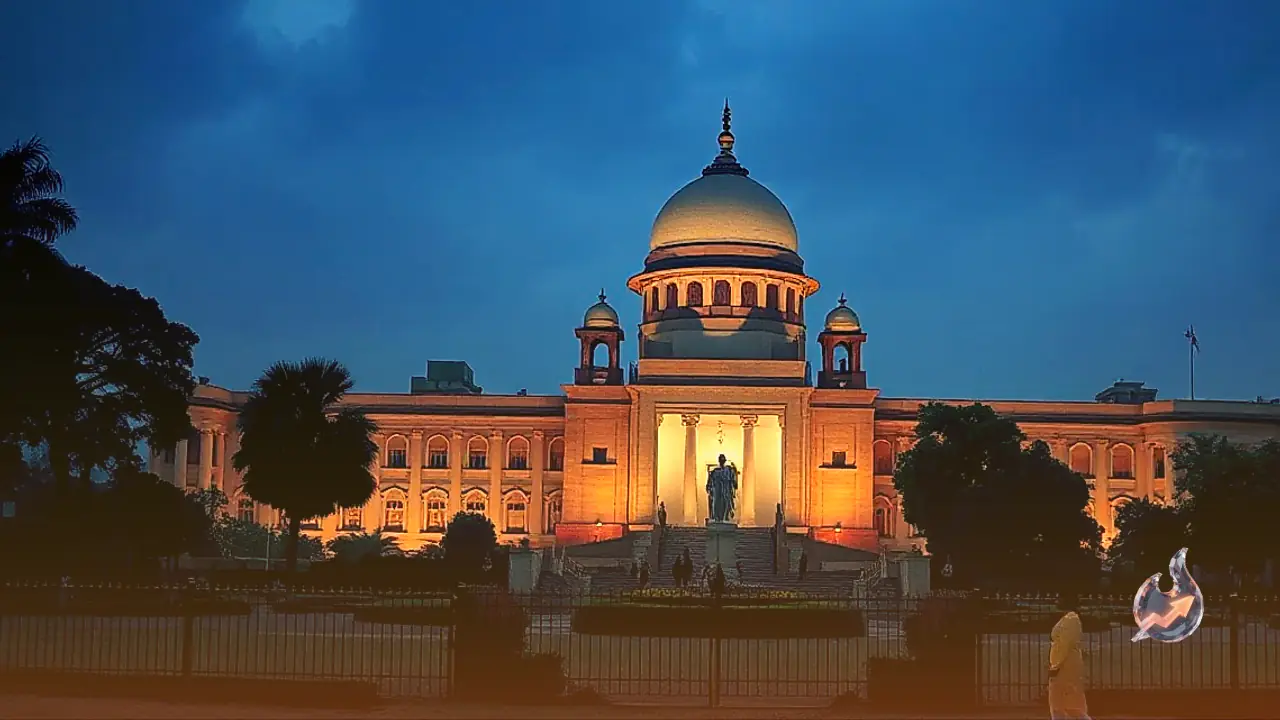
In a separate major legal development, a parliamentary inquiry committee completed its investigation into allegations involving former Allahabad High Court judge Yashwant Verma, sustaining all charges against him. The controversy traces back to March 14 last year, when sacks containing burnt currency notes were discovered inside the store room of Justice Verma's official residence in Delhi. According to the parliamentary committee's findings, Justice Verma failed to provide clear details regarding the source, origin, or ownership of the recovered cash when questioned by the investigative panel, choosing instead to offer evasive responses.
Erasing Evidence and Status of Impeachment Proceedings
The investigation further established that partially burnt banknotes recovered from the judge's house were subsequently removed, evidence was systematically erased, and the store room was tampered with prior to being sealed by authorities. Earlier, when an internal Supreme Court inquiry panel submitted its findings, the Chief Justice of India requested Justice Verma to tender his resignation. Upon his refusal, parliamentary impeachment proceedings were initiated. Justice Verma eventually submitted his resignation in April this year, four months ago, which was cited as grounds to halt the impeachment process. However, his resignation has not yet been formally accepted by the competent authority, resulting in his name continuing to appear on the official roster of judges at the Allahabad High Court.
High Court Audit Exposes Massive Medical Waste in Delhi Hospitals
Meanwhile, an audit conducted across 26 government hospitals in Delhi, initiated pursuant to orders from the Delhi High Court, revealed widespread systemic neglect and wastage of high-value medical infrastructure. Equipment worth crores of rupees has been left gathering dust for years. The audit highlighted that advanced diagnostic machines remain non-functional either due to an acute shortage of trained technical operators or because hospital management failed to construct designated spaces for installation.
Neglect at Delhi State Cancer Institute and GTB Hospital
The specific findings of the audit paint a grim picture of public healthcare management. At the Delhi State Cancer Institute, a Cyclotron machine purchased 9 years ago for Rs 15.5 crore has never been operationalized due to the absence of qualified technical staff. In the same facility, CT and RT Simulation machines acquired at a cost of Rs 10 crore are deteriorating into scrap metal. Furthermore, a specialized tissue slicing machine imported from Germany has remained packaged in its original delivery boxes for 9 years because the hospital failed to provide physical room for its setup. At Guru Teg Bahadur Hospital, 400 ventilators and 910 oxygen concentrators procured during the peak of the Covid pandemic remain completely unutilized in storage rooms.
Administrative Accountability and Demands for Recovery
Addressing the audit findings, Delhi Health Minister Pankaj Singh stated that these expensive medical assets were procured during the tenure of the previous Kejriwal administration without establishing operational manpower or maintenance protocols. Given the acute shortage of healthcare infrastructure in the country, where patients routinely wait weeks for essential ultrasound and MRI appointments, such neglect of critical machinery severely compromises public welfare. Considering the immense hardship faced by cancer patients and individuals awaiting corneal transplants, this level of administrative failure warrants a thorough independent investigation. Calls have been made to hold negligent officials accountable and recover the financial losses by auctioning the personal assets of those found guilty.