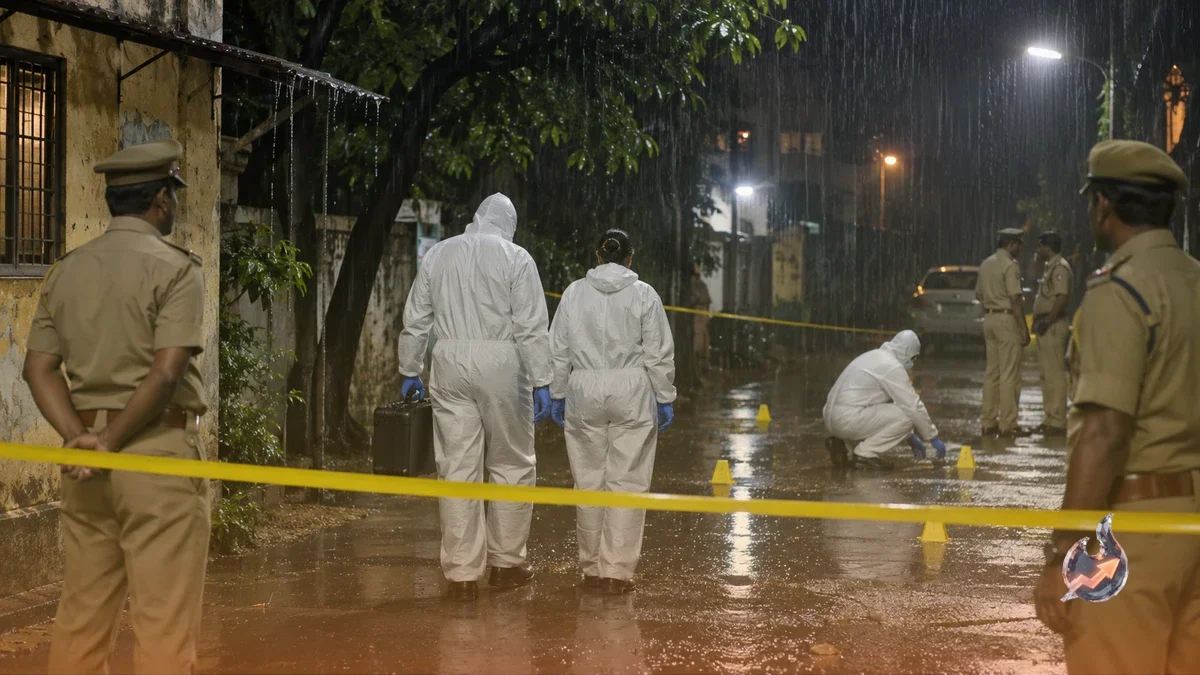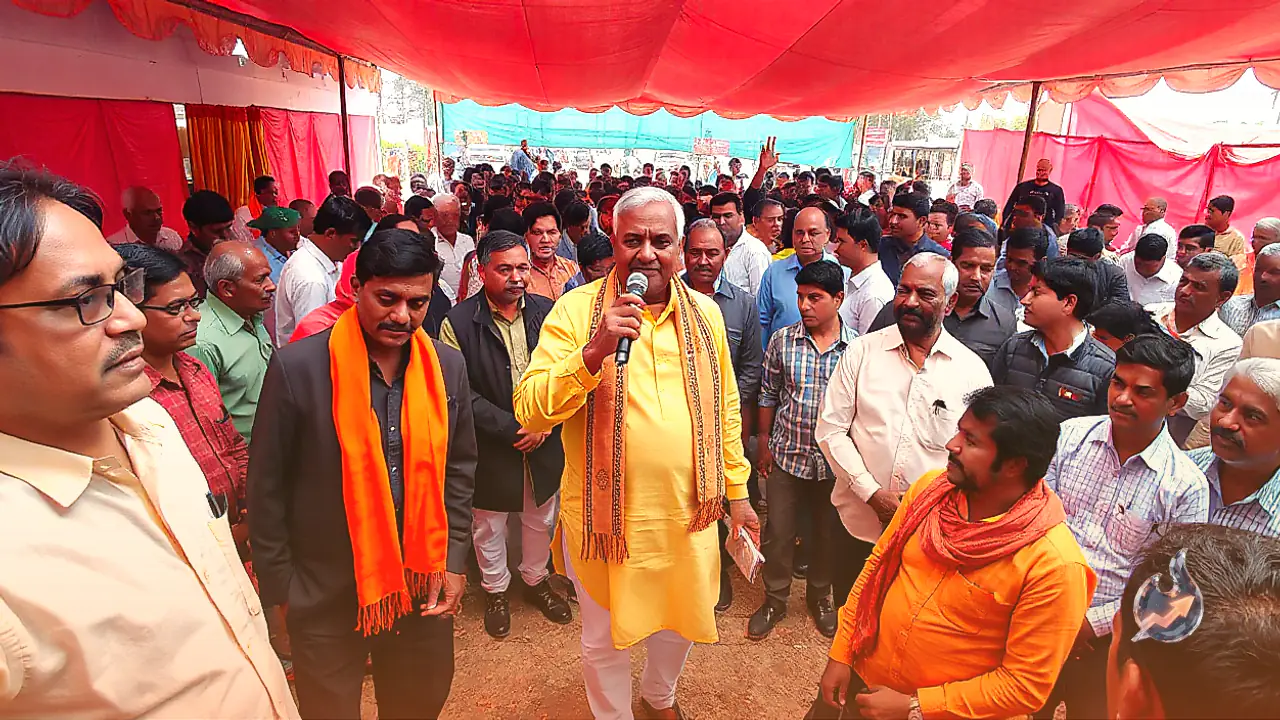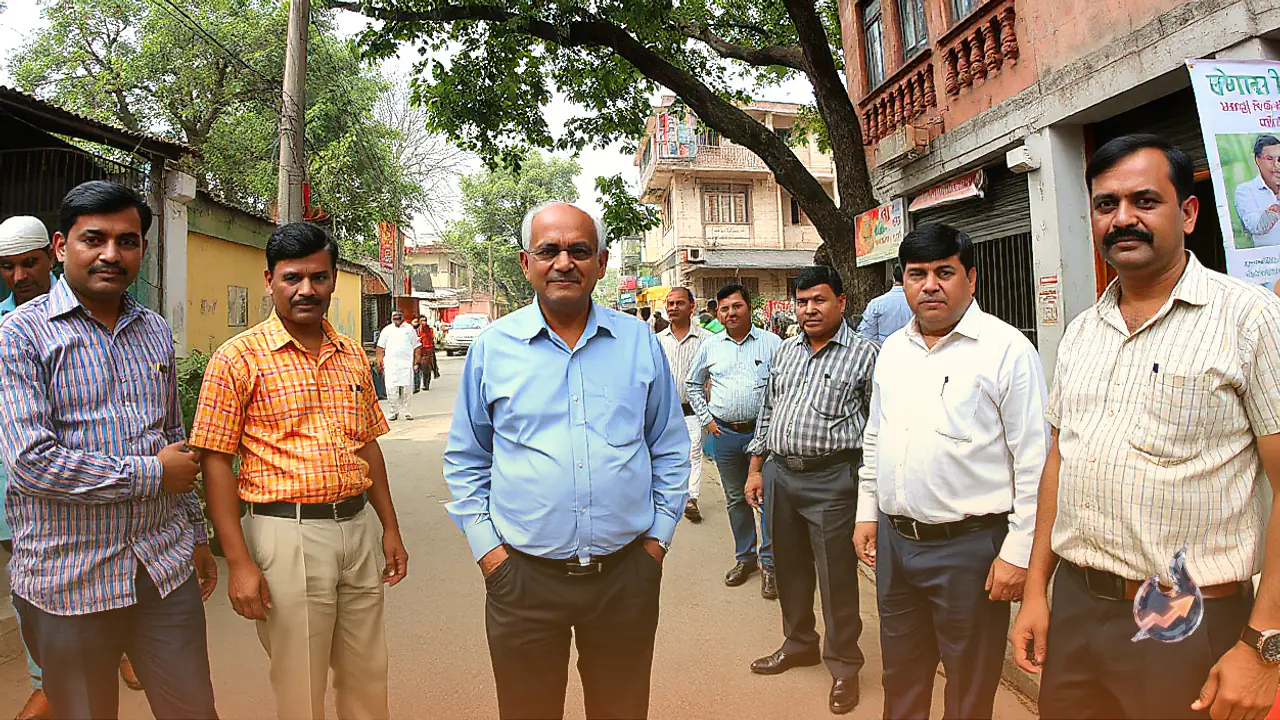

Questions over property transactions in some of Delhi’s unauthorized colonies have surfaced since early November. People on social media said that, around November 4, a few sub-registrar offices in western Delhi were not registering properties. The confusion concerns the Prime Minister Unauthorized Colonies in Delhi Awas Adhikar Yojana, or PM-UDAY, a scheme intended to give residents legal ownership of their homes. Separate documentation procedures under the scheme have left buyers and sellers unsure about how registration is supposed to work.
With property prices rising across the capital, buying a home is a major financial decision. Uncertainty about which papers an office will accept can complicate a transaction at the point when the buyer and seller need to complete it. The complaints cited specific offices and neighborhoods; the information available does not say that registration has stopped across Delhi.
Why PM-UDAY was introduced
People building homes in hundreds of Delhi’s unauthorized colonies often cannot get bank loans, and government facilities are not arranged there. The central government launched PM-UDAY in 2019 to address those difficulties. The scheme’s stated purpose is to give residents ownership rights over their homes, which could allow them to access home loans in the future.
The plan was to authorize 1,511 of Delhi’s more than 1,700 colonies. It established a documentation route distinct from registration involving government land. A buyer dealing with government land received a conveyance deed, while buyers registering property in unauthorized colonies received an authorization slip. Under the scheme, that slip later came to be treated as the basis for ownership once a colony was legalized.
That distinction helps explain why the current uncertainty extends beyond whether an office will process a particular deed. Buyers and sellers also need to know which documents apply in their colony and how PM-UDAY’s authorization process relates to the registration of a property. The policy aims to provide legal rights, but a lack of clarity about its procedures has raised questions about how residents can obtain them.
Complaints focus on documents at some offices
Posts on social media said that, around November 4, some sub-registrar offices in western Delhi would not accept papers presented for property registration. Mohan Garden and Bhagwati Vihar were among the unauthorized colonies mentioned. The complainants said documents that had previously been used for registration under normal circumstances were no longer being accepted in those areas.
The complaints do not establish that registrations have stopped throughout the city. The information provided says the issue has not appeared in other colonies. Still, for buyers and sellers in the places cited, uncertainty about acceptable paperwork can make it difficult to know how to proceed. The available details do not cite an order imposing a citywide or wider halt.
People familiar with the matter say the rules should have clearly identified which colonies would follow the regular registration process and which would be covered by PM-UDAY. Sub-registrar offices are said to lack clarity on the rules that apply to properties in different colonies. That uncertainty is unsettling both sides of a transaction.
Application deadline extended, fee relief offered
The original deadline to apply for a conveyance deed or an authorization slip was October 31. The government has extended it to January 31, saying that applications had come in in low numbers. The extension gives applicants more time, but by itself it does not answer which document will be accepted for registration in a particular colony.
The scheme also requires authorization for properties that were registered previously and for which registration fees have already been paid. Owners of those properties must pay a fee for authorization too, although they are being offered a 75% discount. The Municipal Corporation of Delhi has also said that the fee for authorizing colonies under PM-UDAY is reduced by 75%. Residents of the scheme’s 1,511 targeted colonies are expected to be eligible for this concession.
Potential consequences for residents and the market
About 45 lakh families live in Delhi’s unauthorized colonies. For a population of that size, documentation and ownership procedures affect practical financial decisions. If offices cannot make clear which registration route applies to a property, buyers may pause before proceeding, while sellers may face delays in completing transactions.
The uncertainty could affect property markets in several parts of Delhi. Potential buyers may avoid an area if they are unsure about ownership rights. The complaints cited so far concern some western Delhi offices and particular colonies, so they do not support a conclusion that registrations have stopped across the capital. The central unresolved issue is the need for colony-specific clarity on how PM-UDAY authorization connects with property registration.
The scheme includes an extended application period and a 75% fee concession, while owners whose properties are already registered still have to pay for authorization. Residents need to understand these terms and find out which registration process applies to their colony. The material available here does not provide a final administrative clarification on that question.