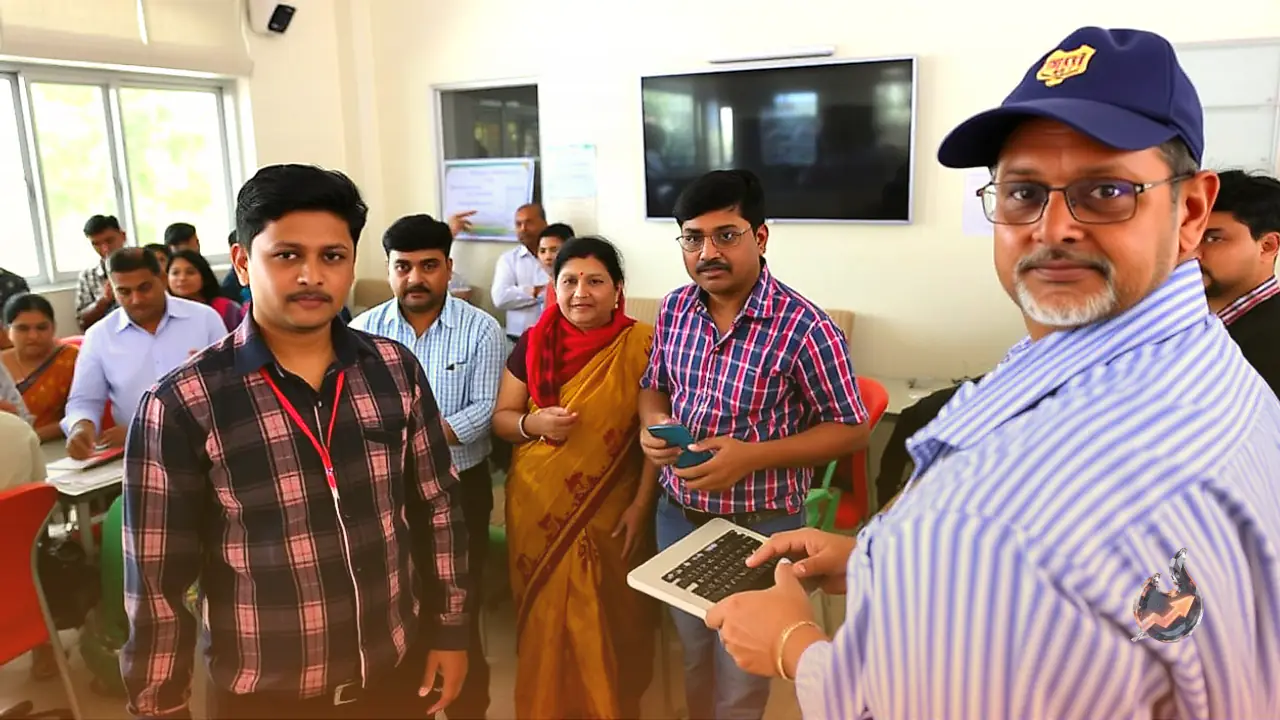















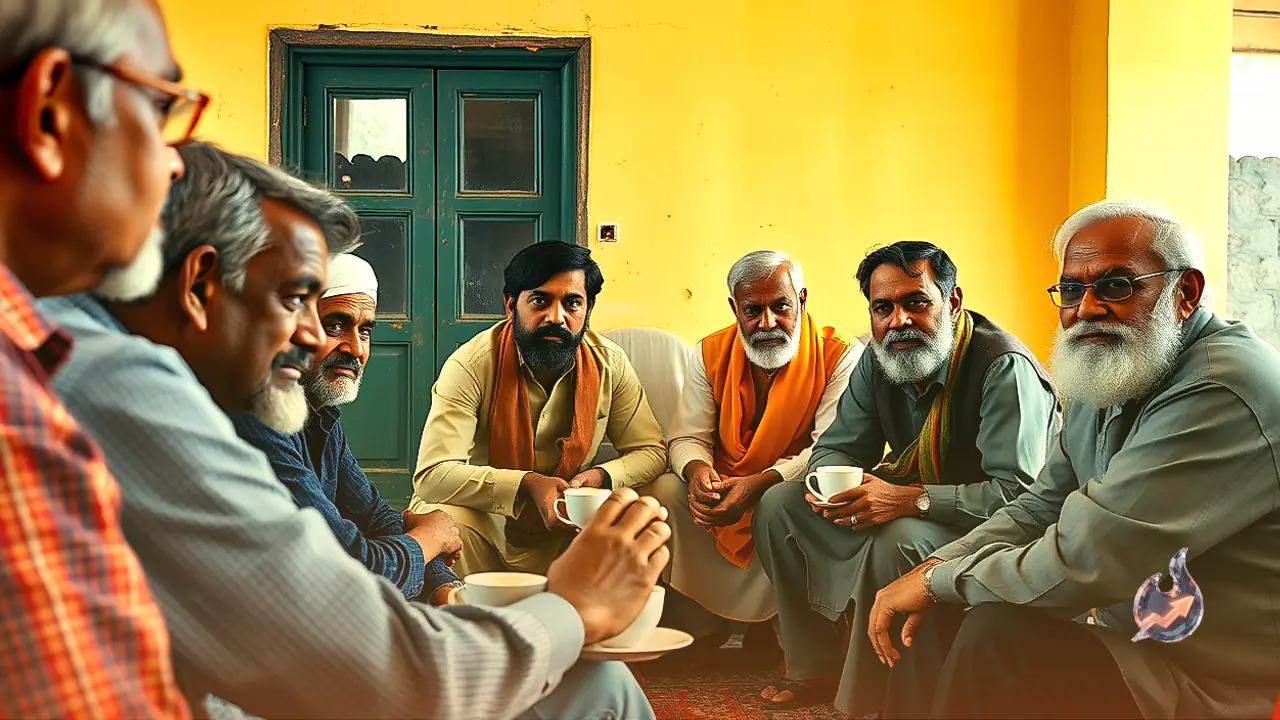

A candid tea gathering at Indira Bhawan between top opposition leaders and youth workers recently shed light on internal dynamics and lingering political regrets. During an unscripted exchange, Rahul Gandhi launched an uncompromising critique against former colleagues who abandoned the organisation during challenging times to align with the treasury benches. As Gandhi questioned the fortitude and motivations of these defectors, Congress President Mallikarjun Kharge interjected with a witty observation regarding past comradeship, sparking an unusually candid admission from Gandhi about misjudging personal allegiances.
Praising Dedicated Cadres While Denouncing Defectors
The informal dialogue brought together approximately 60 active members representing the Indian Youth Congress, the National Students Union of India (NSUI), and the Seva Dal. The primary objective of convening this group was to reinforce the morale of ground-level volunteers and encourage them to sustain their democratic struggles without succumbing to external coercion. Gandhi commended the steadfastness of the workers who continue to serve the party despite encountering administrative friction and legal entanglements, referring to those who endure such trials as lions who stand firm in battle.
In sharp contrast, Gandhi directed fierce criticism toward leaders who chose to cross the floor. He characterised those who departed for alternative political pastures as individuals driven by cowardice and greed, arguing that confronting the Rashtriya Swayamsevak Sangh (RSS) and the Bharatiya Janata Party (BJP) demands genuine resilience. According to him, those who crumbled under legal pressures or the fear of litigation proved unworthy of the organisation, whereas the true custodians of the party are the workers who refuse to compromise their core principles.
A Humorous Retort and Frank Admission
As Gandhi elaborated on his grievances against former colleagues who defected, party chief Mallikarjun Kharge intervened with a lighthearted remark pointing out the historical camaraderie between Gandhi and those very individuals. Kharge quipped, 'They were your friends after all.' The lighthearted quip momentarily relaxed the room while cutting straight to a well-known political paradox, referencing the reality that several prominent defectors had once occupied central positions within Gandhi's close circle.
Far from deflecting the teasing observation, Gandhi conceded the point with notable frankness. He acknowledged that he had indeed made an error in assessing their character and reliability at the time. This acknowledgement highlighted an evolving perspective within the top leadership, confirming that past betrayals have deeply informed how the party currently evaluates allegiance and internal trust. The candid exchange blended gentle irony with a clear warning to the gathering that personal proximity must never overshadow organizational loyalty.
The Trajectory of Scindia, Prasad, and RPN Singh
The conversation inevitably turned to prominent figures who formerly helped guide the party's strategies before switching allegiance. Specific references were made to Jyotiraditya Scindia, whose high-profile departure in 2020 marked a major transition to the BJP. Similar trajectories followed for other prominent youth stalwarts from Uttar Pradesh, such as Jitin Prasada and RPN Singh, both of whom eventually integrated into the ruling party's ranks after years of influential positions within the Congress.
Gandhi framed their departures as examples of individuals bowing to pressure rather than sustaining an ideological fight. Kharge's witty observation underscored the fact that these very leaders had enjoyed personal rapport and strategic access at the highest tier of the organization. By directly contrasting their exits with the daily resilience of ordinary ground workers, the discussion sent a definitive message that loyalty to the cause is far more valuable to the organization than personal pedigree or past standing.
A Historical Insight into Political Allegiances
To contextualise the shifting nature of personal relationships in political life, Gandhi drew upon an enduring lesson attributed to his grandmother, former Prime Minister Indira Gandhi. He recounted her observation that individuals who project themselves as warm allies may not necessarily possess genuine goodwill when tested by circumstance. Conversely, those who present outward friction or opposition might not always harbour true enmity in their hearts.
This historical reflection served to remind the youthful audience that surface-level congeniality can often be misleading in competitive politics. By framing the departure of former confidants through this analytical lens, Gandhi urged the cadres to focus on enduring ideological conviction rather than short-term personal alignments. The underlying message was that resilience during adversity remains the only genuine test of political integrity.
Urging Creative Dissent on the Streets
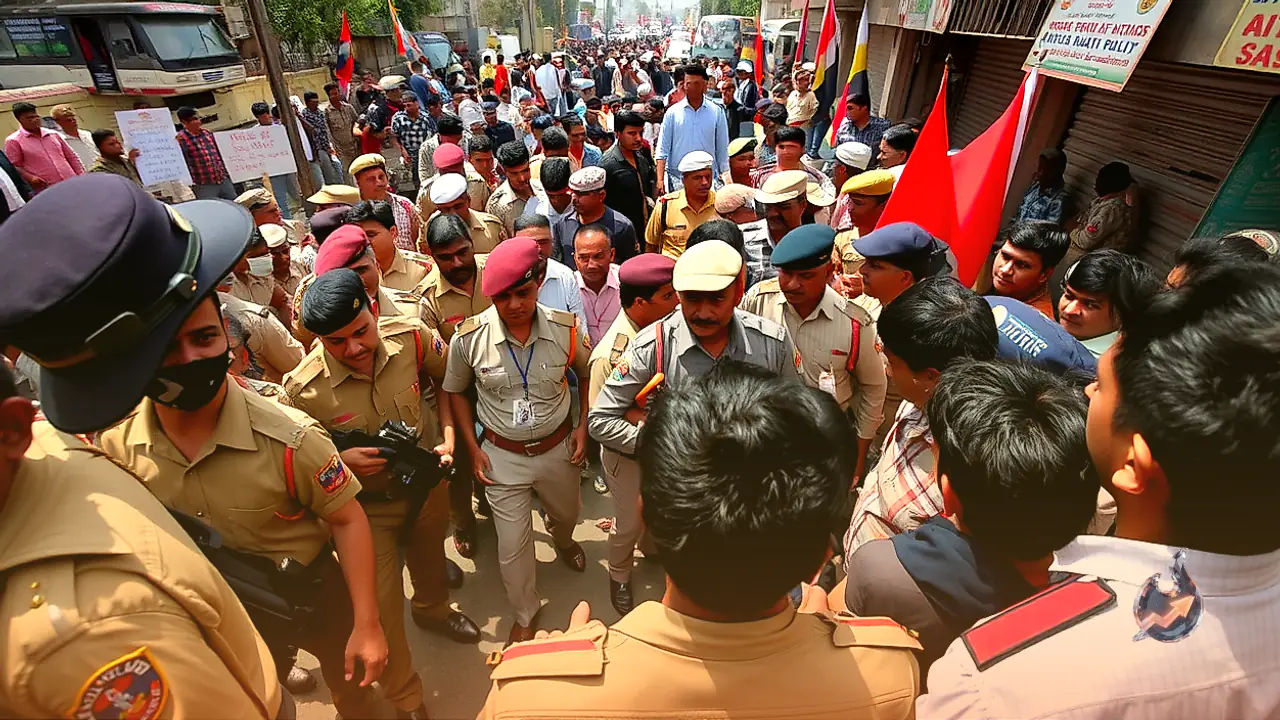
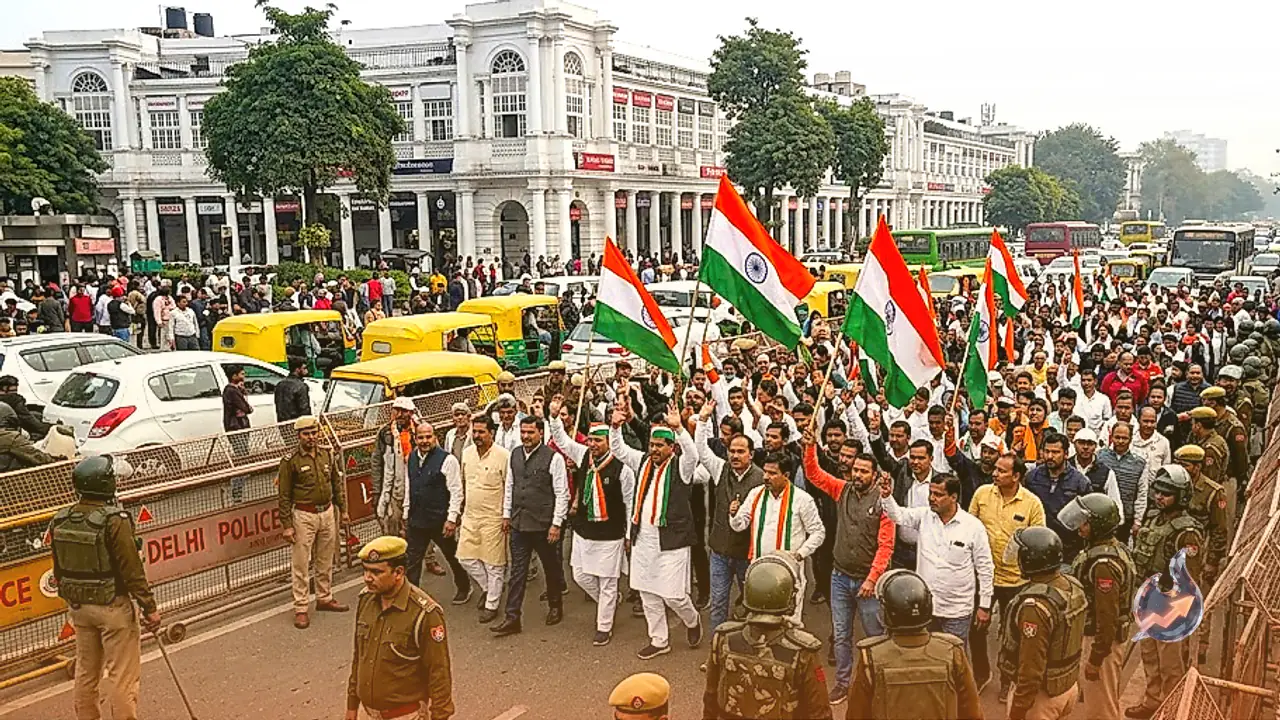
Closing the session, Gandhi directed the attention of the youth cadres toward active agitation, referencing recent street demonstrations in the national capital against Chief Election Commissioner Gyanesh Kumar. He emphasized that direct political confrontations and street-level activism represent the most valuable training ground for any emerging leader. Rather than sticking exclusively to conventional methods of agitation, he challenged the volunteers to devise novel, creative forms of public expression.
His central appeal remained clear: workers who refuse to back down in the face of lawsuits, police notices, or institutional pressure form the indispensable bedrock of the party. He exhorted the cadres to step into future political campaigns with courage and imaginative strategies, maintaining that sustained resistance against opposing ideologies will ultimately determine the outcome of their political battle.