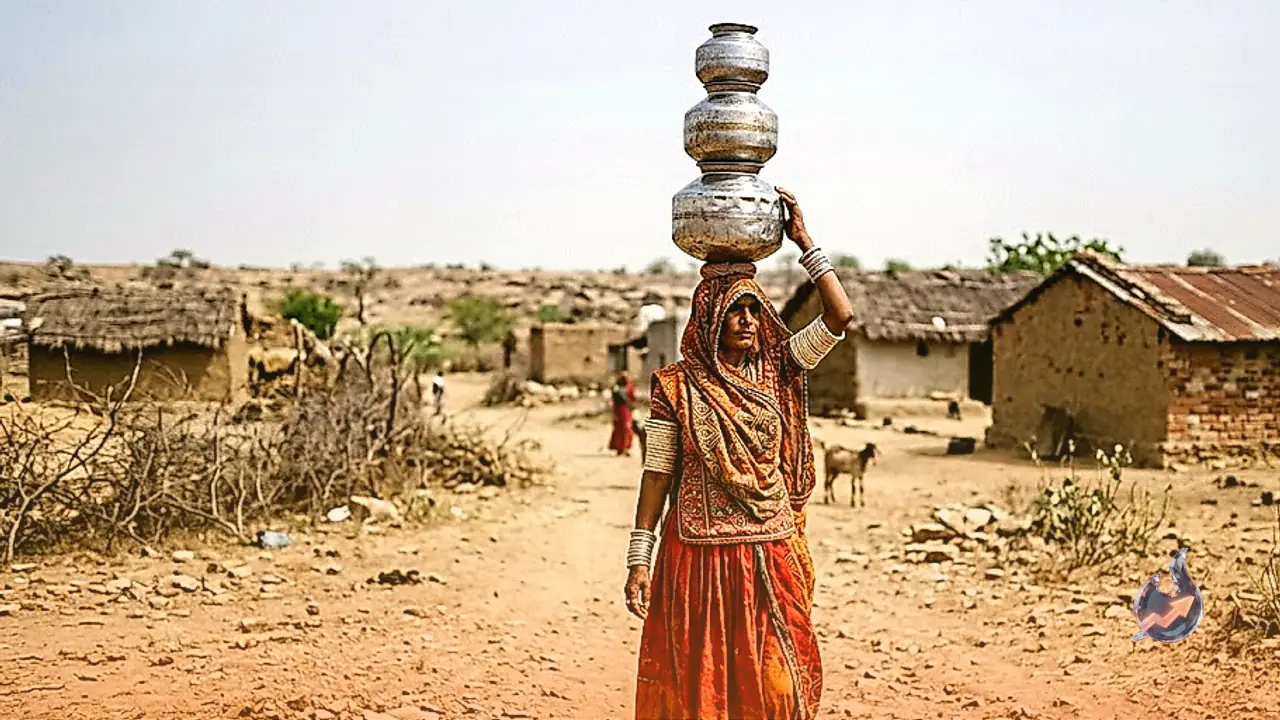

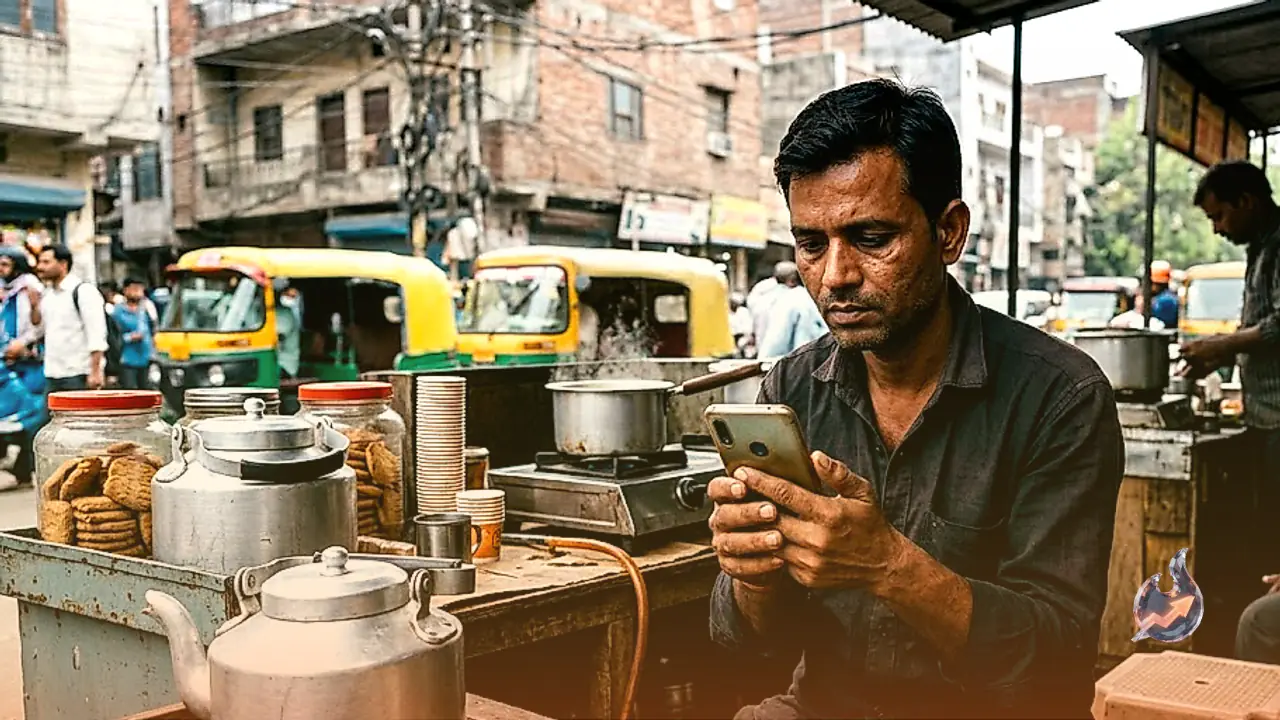
















A stark economic disparity has come to light through the official declarations submitted for the Rajasthan Panchayati Raj Elections 2026. While several contenders possess significant wealth running into lakhs of rupees, an unexpected contrast shows that as many as 370 nominees representing the Bharatiya Janata Party and the Congress have recorded zero funds in their bank accounts. In these instances, the balances do not even reflect a basic sum of one thousand rupees. Despite severe financial constraints, these contenders are actively campaigning for seats in district councils and block panchayat committees, illustrating that electoral ambition at the grassroots level does not belong exclusively to the prosperous.
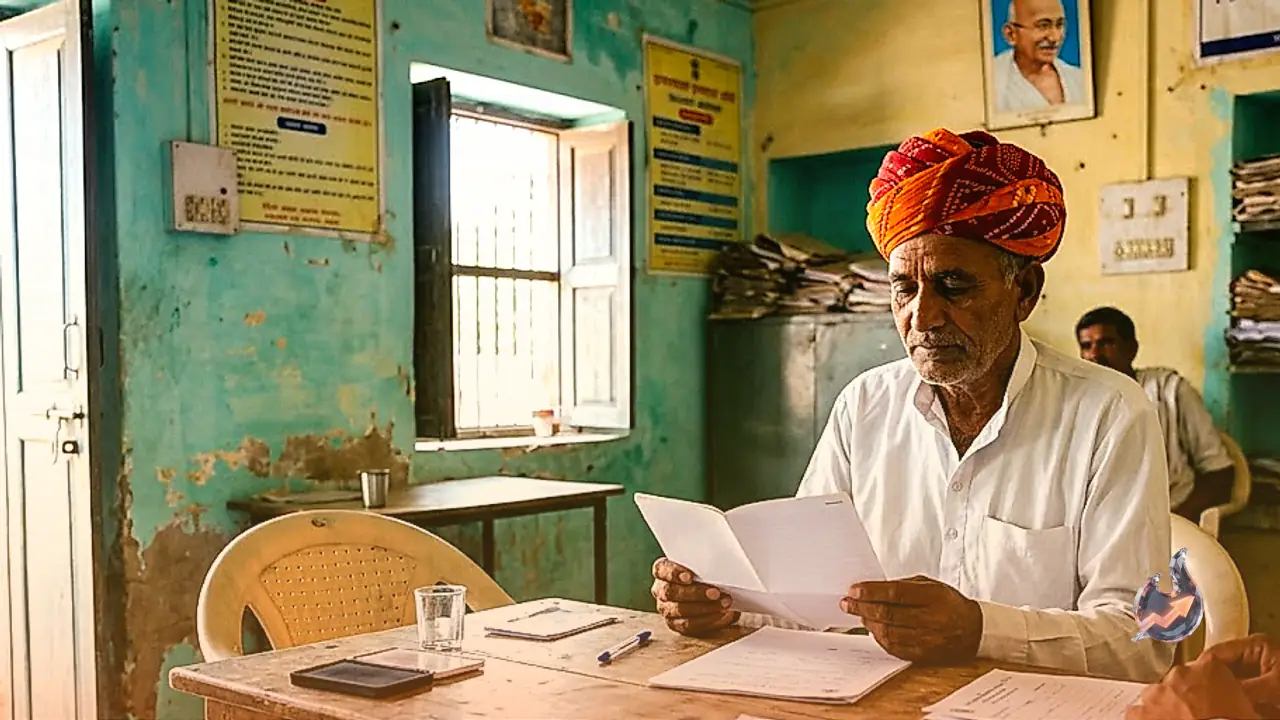
The disclosures also highlight the humble backgrounds of multiple participants. In certain households, family sustenance relies entirely on daily-wage labor performed by male members, while female candidates from the same family venture into the electoral fray, aiming to secure public representative mandates despite scarce domestic savings.
Gen-Z Contenders Secure Scant Representation in Ticket Distribution
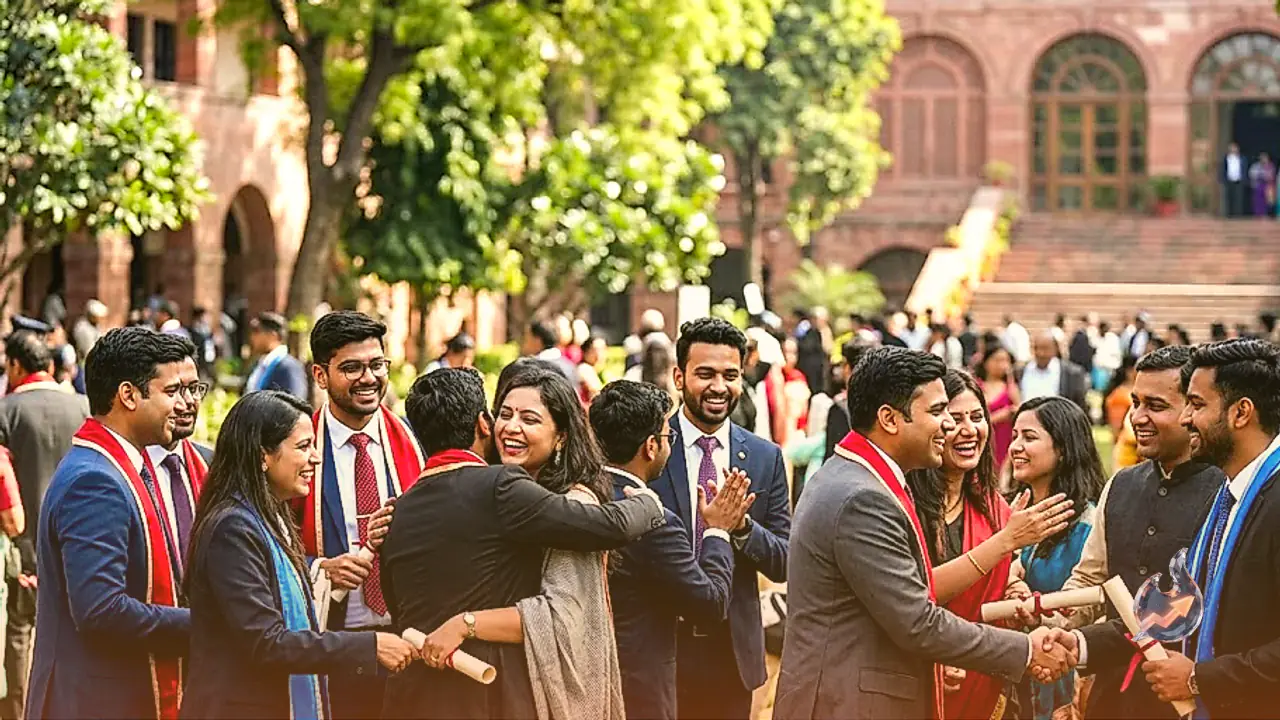
Although mainstream political outfits have frequently highlighted their intent to elevate youthful Gen-Z faces across urban municipal bodies, the strategy deployed for rural local governance tells a markedly different story. Young contenders managed to secure merely 13 to 14 percent of the available nominations across zila parishad and panchayat samiti seats. Across roughly 6,200 candidacies allotted thus far, barely around 800 tickets were assigned to younger entrants. This cautious distribution underscores how political strategists favored established networks and familiar figures over youthful newcomers when navigating rural electoral equations.
Nearly 4,000 Nominees Possess Assets Beneath 10 Lakh Rupees
The financial affidavits further illustrate that wealth is thinly spread across the broader candidate pool. Approximately 4,000 nominees reported total combined movable and immovable wealth valued under 10 lakh rupees. This clearly indicates that an overwhelming segment of participants is contending within tight monetary boundaries.
Curiously, the roster of contestants listing no savings includes individuals who previously served as village sarpanch. Despite their past governance experience, their disclosures record zero balances in their bank accounts. This presence of former local administrators with empty accounts illustrates the varied financial realities that exist within rural political networks, confirming that entering the democratic race does not always correlate with personal accumulation of wealth.
Jodhpur Candidate Declares Modest Wealth of 53 Thousand Rupees
The vast economic differences are exemplified by Lalita Royal, a 22-year-old Congress nominee running for Ward Number 27 in the Jodhpur Zila Parishad. Her sworn declaration lists aggregate movable and immovable possessions valued at merely 53,000 rupees. In addition, she noted zero liquid cash in hand. Her profile stands out as an emblem of lower-income participation, contrasting sharply with peers possessing substantial holdings in the same electoral districts.
Scores of Candidates Declare Wealth in Lakhs
At the higher end of the asset spectrum, numerous contenders have submitted paperwork showcasing significant properties and holdings. Bhanu Devi declared overall wealth reaching 22.81 lakh rupees, closely followed by Raj Kanwar with 22.77 lakh rupees. Chunni Devi listed 18.75 lakh rupees, while Mahendra Bishnoi reported 15.78 lakh rupees, and Indra Ram recorded 14.10 lakh rupees in total valuation.
Among other listed participants, Bhikha Devi documented 11.02 lakh rupees, Ramesh Kumar filed separate asset valuations of 10.75 lakh and 3.40 lakh rupees, and Ravi Gehlot posted 10.26 lakh rupees. Indra declared 9.35 lakh rupees, Murli Ram listed 8.60 lakh rupees, Sumitra recorded 8.52 lakh rupees, Lahari Devi claimed 7.70 lakh rupees, and Govind Ram stated 7.10 lakh rupees. Further down the list, Santosh Kanwar reported 6.63 lakh rupees, Gawari Devi posted 6.34 lakh rupees, Baby noted 5.70 lakh rupees, Surma cited 5.25 lakh rupees, Mahipal reported 2.31 lakh rupees, Kana Ram filed 2.30 lakh rupees, and Hariya Devi declared 2.63 lakh rupees.
These detailed filings demonstrate the broad economic spectrum coexisting within Rajasthan's local governance arena. Rural voters will ultimately weigh these disparate financial and social backgrounds when casting their ballots to determine the upcoming leadership of their village and district bodies.