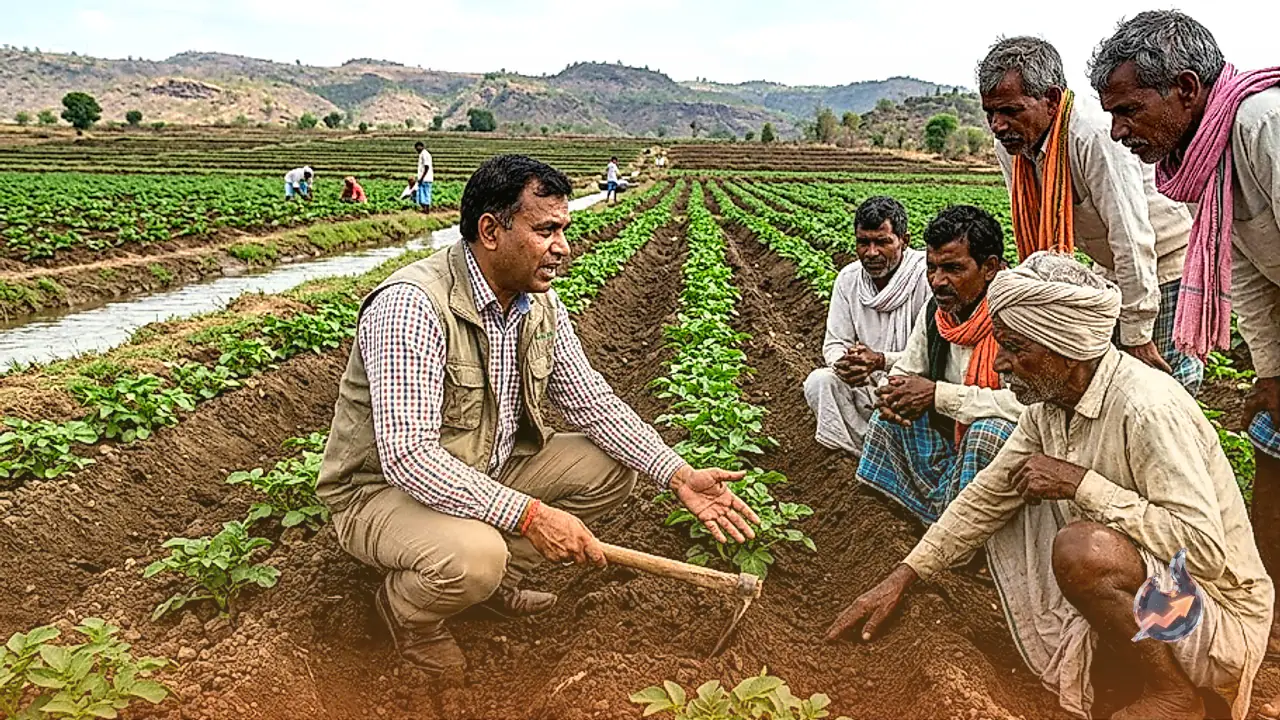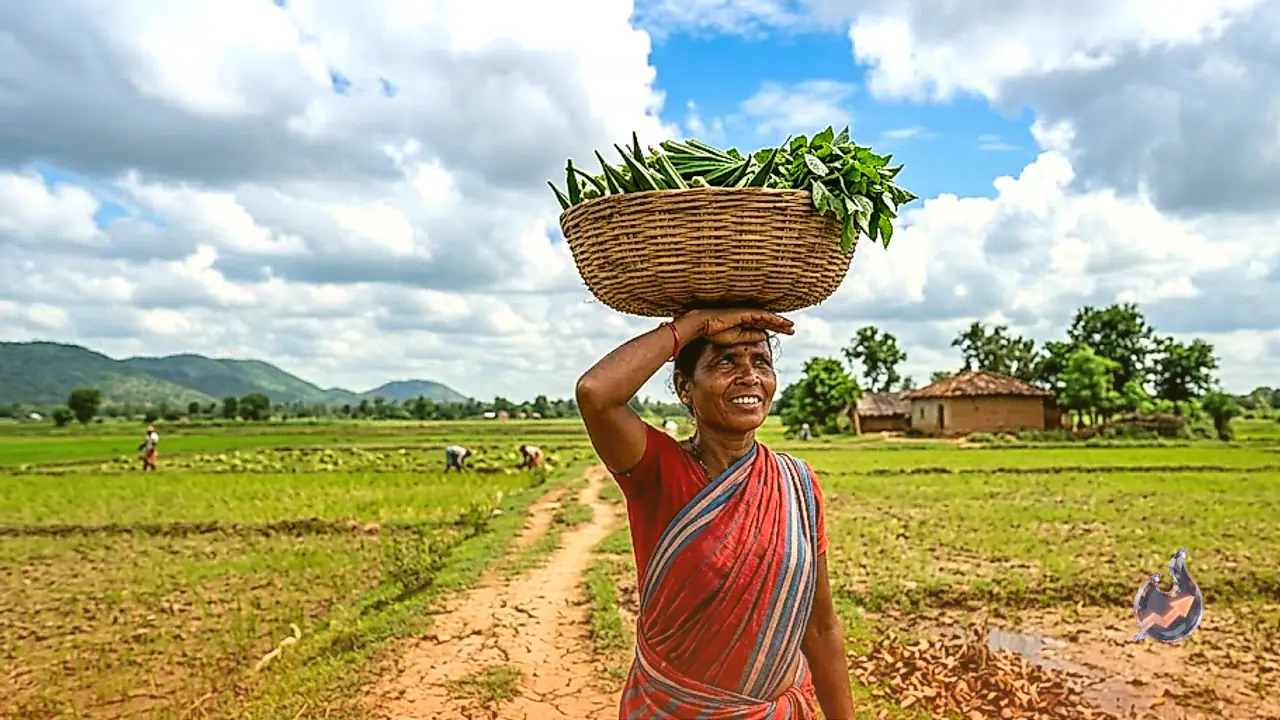























In Gopidih village of Jharkhand's Deoghar district, farming has transformed into a dependable livelihood for Ambika, a local cultivator owning about 4 to 5 acres of agricultural land. Until a few years ago, cultivating this land was an uphill struggle due to the total absence of dependable irrigation facilities. Without a permanent mechanism to channel water to the fields, farming was possible only when seasonal rains arrived. Ambika could not attempt growing crops that demand regular, timely watering, leaving fertile holdings severely underutilised despite the family's hard work.
Three Irrigation Wells Built Under MGNREGA Support
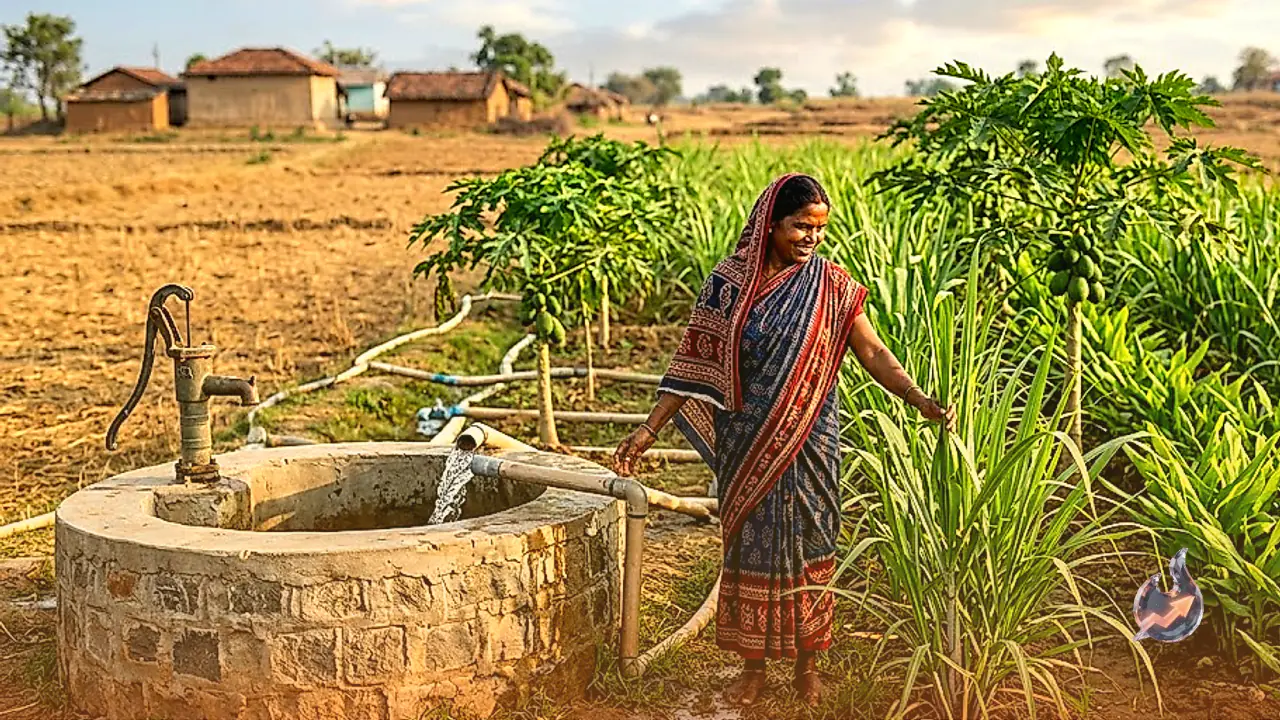
A crucial turning point came through rural development schemes. Ambika received assistance under the government irrigation initiative combined with the Mahatma Gandhi National Rural Employment Guarantee Act (MGNREGA), which facilitated the construction of three wells on the farmland. Once these wells became functional, the irrigation network strengthened significantly, guaranteeing a reliable water supply right at the fields. The cultivator no longer had to delay sowing schedules while waiting for the monsoon, as water could now be applied precisely according to the growth stages of the crops.
Shift Toward High Value Crops: Sugarcane, Papaya and Turmeric
With water security firmly established, Ambika moved away from conventional, rain-fed cropping patterns. The fields are no longer restricted to a single traditional harvest. Instead, crop selection is tailored to seasonal conditions and market opportunities, allowing the cultivator to rotate between sugarcane and papaya plantations. In addition to fruit and cane farming, turmeric has been integrated across the plot. Diversifying across multiple commercial crops has established multiple income streams throughout the year, shielding the farm from market fluctuations.
Renewed Confidence Spreads Across 45 to 50 Acres in Gopidih
Ambika points out that the biggest advantage of the state intervention is that farmland no longer remains barren or abandoned between seasons. Having reliable access to water has restored confidence to invest labour and resources into maximizing output from every acre. This agricultural transformation is also influencing surrounding holdings, as farming operations are actively expanding across a 45 to 50 acre belt in Gopidih. The availability of wells has turned previously parched ground into lush patches of sugarcane, papaya, and turmeric, generating sustained income and long-term security.