




















Saryu Floods in Ayodhya: Water Enters Over 100 Homes in Majha Kala Village, Disrupting Daily LifeIndia
24 Aug 2026, 4:58 pm (2 hours ago)· 1

Saryu Floods in Ayodhya: Water Enters Over 100 Homes in Majha Kala Village, Disrupting Daily Life

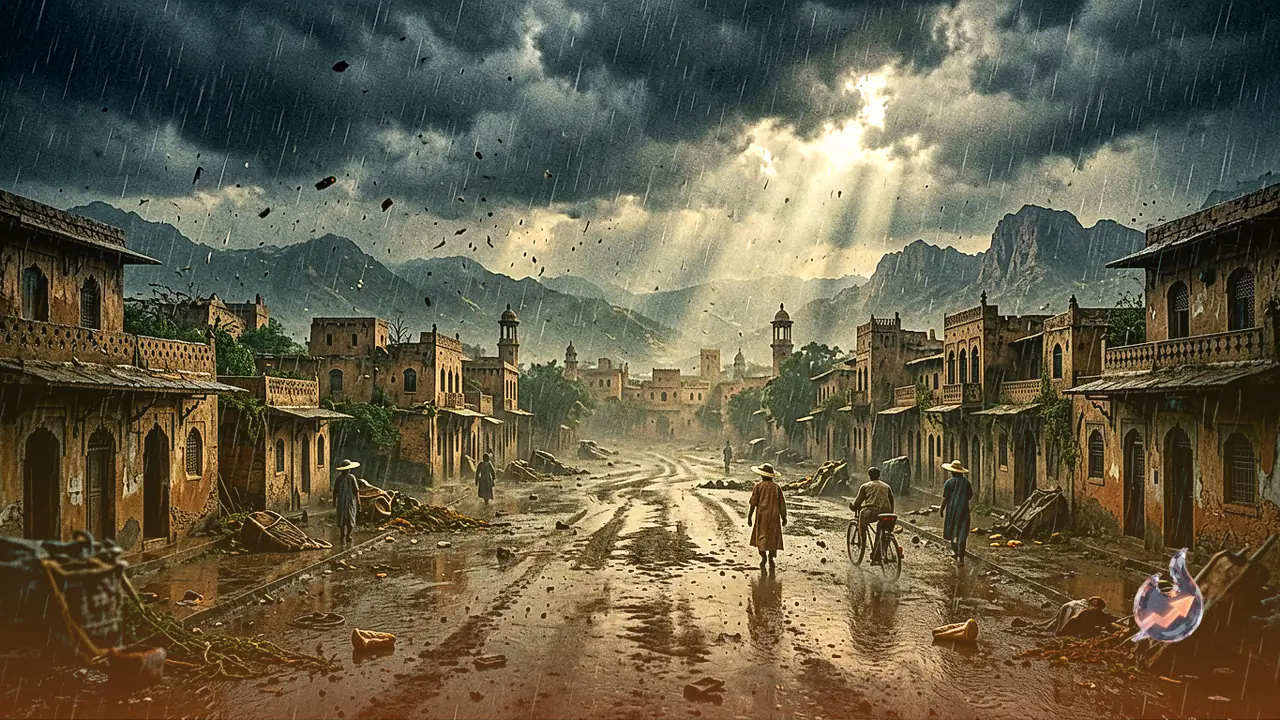
Rising waters of the Saryu River have submerged roads and flooded over 100 homes in Ayodhya's Majha Kala village, causing severe hardship for residents.

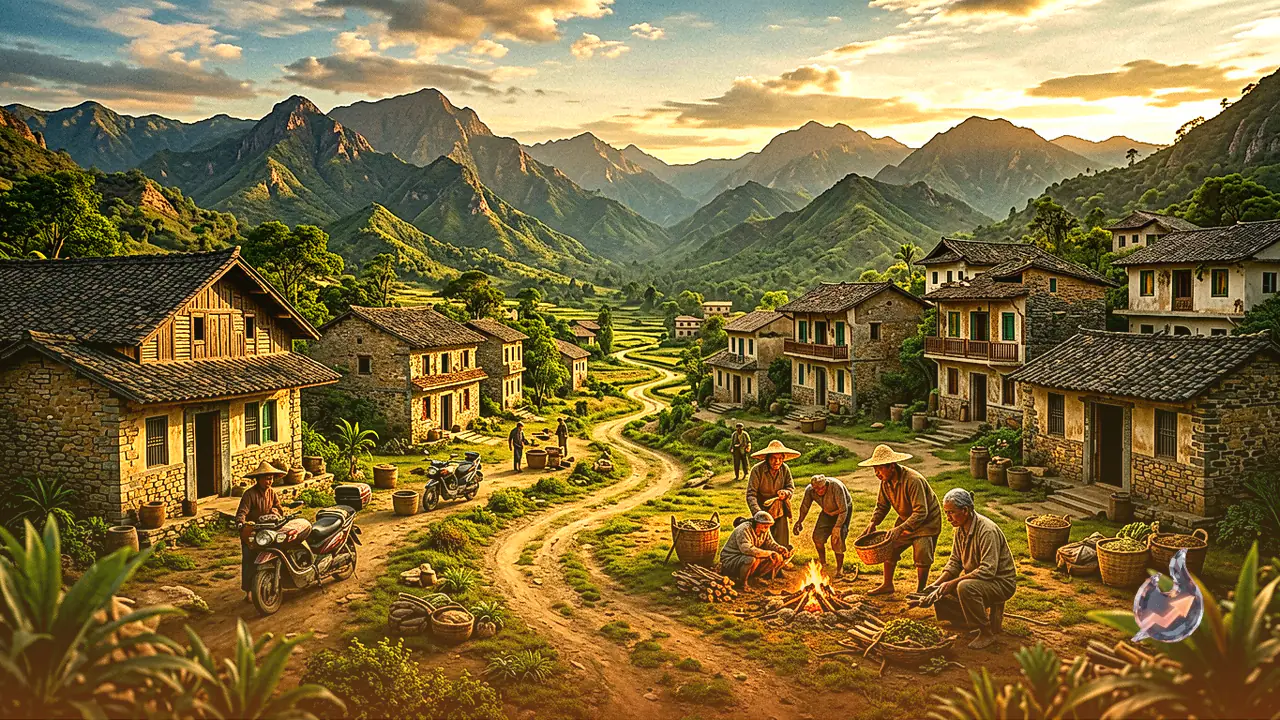
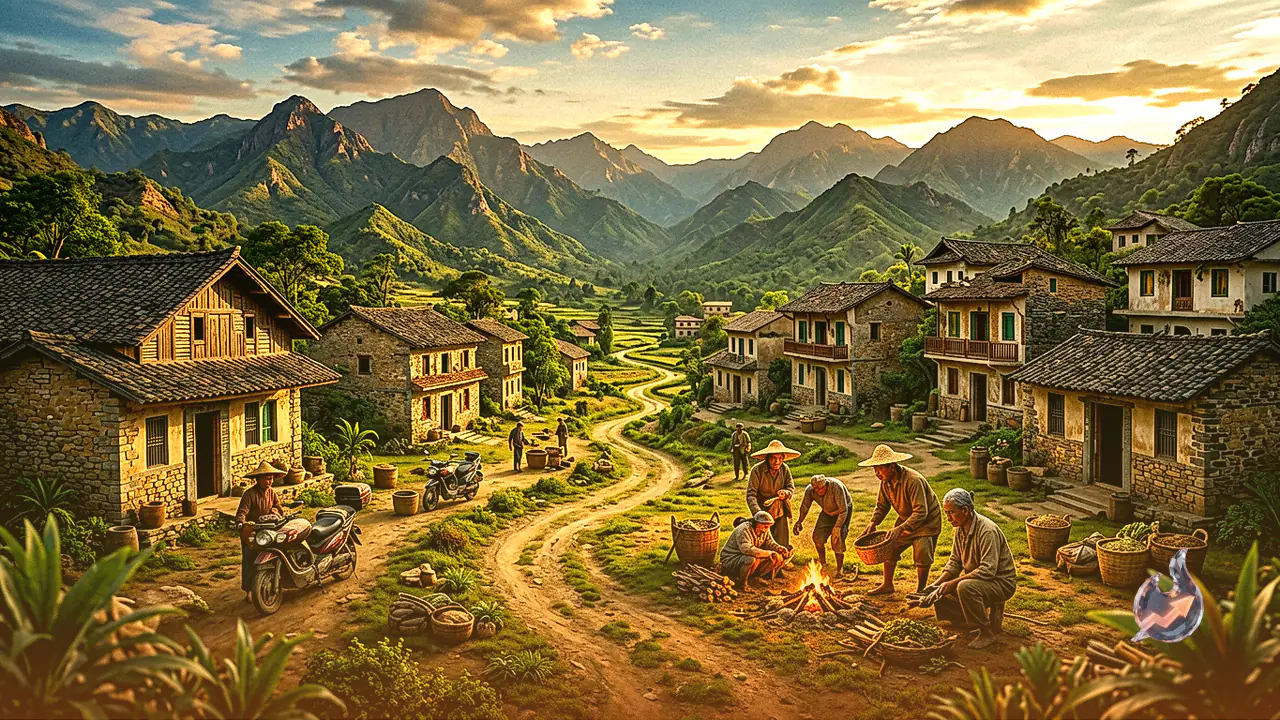
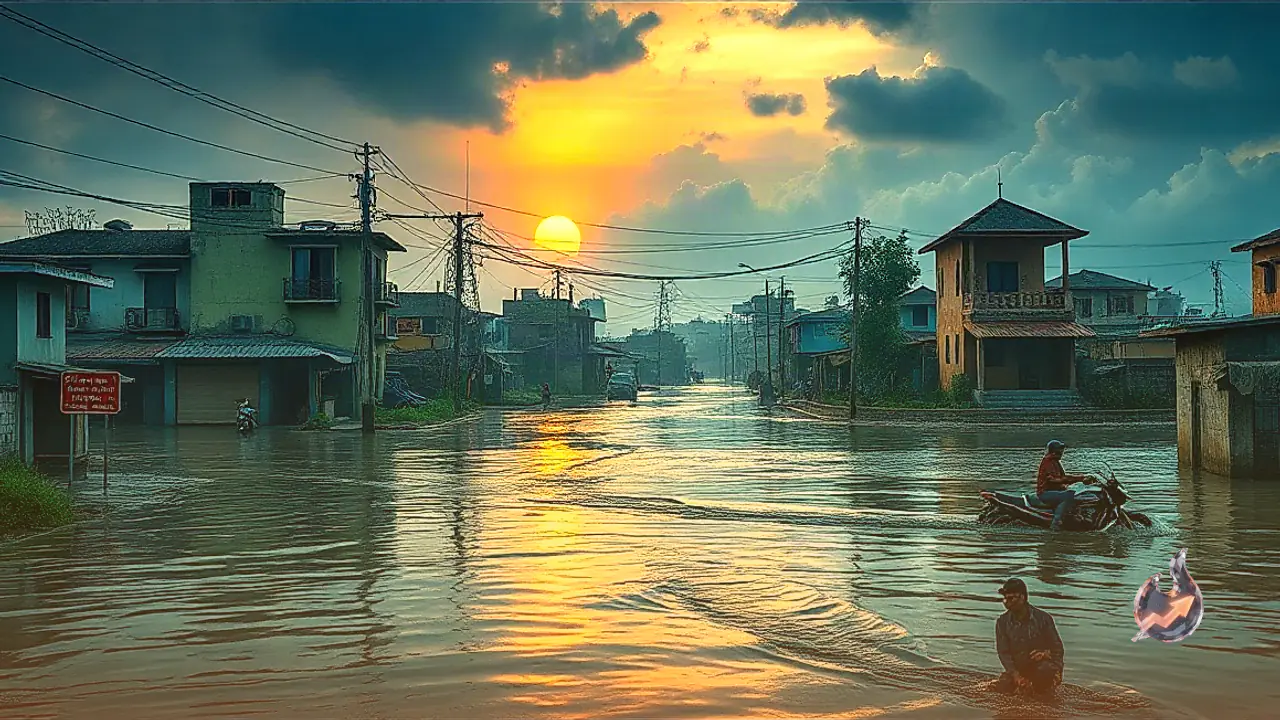
The continuous rise in water levels of the Saryu River in Ayodhya has triggered severe challenges for local residents, inundating low-lying regions. In Majha Kala village, more than 100 homes have been directly hit by the flooding, bringing daily life to a standstill. Several village roads are completely submerged under water, forcing residents to wade through flooded paths just to commute. This difficult situation has severely disrupted children's education while escalating health risks and creating acute anxiety regarding safe shelter.

Parvati, a local woman affected by the floods, shared that navigating the area becomes a recurring ordeal every monsoon season. Floodwaters have now entered her dwelling, preventing young children from attending school and keeping the threat of illness constantly alive. She noted that while they received relief supplies once during the month, no one is currently listening to their grievances or offering further assistance. With zero land ownership, the family is compelled by circumstances to remain trapped amidst the water.

Also read

Another affected resident, Reena, stated that a large number of families in the village are struggling with the deluge. Waterlogging inside homes has triggered mounting concerns over hygiene and disease outbreaks. She pointed out that while the administration is currently distributing food rations, flood victims urgently require a broader range of essential facilities. Continuous rainfall coupled with the swelling Saryu River is compounding local anxieties.

Persistent Danger of Accidents

Villager Shankar Nishad remarked that the residents feel as though they are surviving right in the middle of a river. With numerous small children around, the constant apprehension of a child drowning looms large over the community. He mentioned that villagers have been demanding safe housing arrangements for a long period. Once floods strike, boats emerge as the primary mode of transportation for the villagers. People rely entirely on boats to fetch groceries, drinking water, and essential medicines from outside. He alleged that administrative officials visit merely to inspect the situation and subsequently depart without delivering permanent relief.

Addressing the crisis, District Magistrate Shashank Tripathi stated that the water level of the Saryu River is steadily rising, intensifying the threat of floods. The tehsils of Rudauli, Sohawal, and Sadar remain vulnerable to regular flooding. All designated flood outposts have been activated, and necessary boats have been arranged in the affected sectors. The administration is actively distributing food packets and relief material kits to those in need.

While administrative preparations continue amidst the rising Saryu waters, securing safe permanent housing, robust healthcare services, and seamless transport connectivity remains a formidable challenge for families residing in these vulnerable rural pockets.


Questions & Answers

Which river's rising water level caused floods in Ayodhya?
The rising water level of the Saryu River caused floods in the low-lying areas of Ayodhya.
How many homes in Majha Kala village are affected by the flood?
More than 100 homes in Majha Kala village have been affected by the floodwaters.
What is the primary mode of transportation in the flooded village?
Boats become the primary mode of transport for villagers after the floods arrive.
Who is the District Magistrate of Ayodhya?
Shashank Tripathi serves as the District Magistrate of Ayodhya.
Which tehsils remain vulnerable to flooding in the district?
The regions under Rudauli, Sohawal, and Sadar tehsils remain vulnerable to flooding.

Comments 4

Ravikash Gupta@ravikash·19m ago

The Saryu flood crisis in Majha Kala village transcends a mere seasonal emergency, posing a severe financial blow to rural livelihoods and local economic stability. The plight of landless families trapped in waterlogged homes, alongside paralyzed education and health risks, underscores that temporary food rations are grossly insufficient without long-term economic security and permanent rehabilitation. The district administration must pivot beyond ad-hoc relief to infrastructural fortification and financial aid, failing which this recurrent cycle will perpetually drive rural marginalized communities deeper into economic distress.

Arjun Mehta@arjun-mehta·18m ago

This crisis points directly toward policy and administrative gaps. Unless there is long-term budgetary allocation for embankment reinforcement and permanent housing on safe terrain, disaster management will remain merely cosmetic. Merely distributing rations is inadequate; the district administration must urgently implement climate-resilient rural planning and disaster risk reduction strategies to prevent livelihoods from being pushed into perpetual precarity every monsoon season.

Rohan Verma@rohan-verma·1h ago

The plight of Majha Kala village is not merely a seasonal calamity, but a consequence of persistent administrative apathy. The annual surge of the Saryu River is a predictable pattern, yet district interventions remain limited to superficial relief measures. Claims of active flood outposts and ration distributions fall short on the ground. Without long-term structural solutions like permanent embankments and safe relocation, mounting health hazards and educational setbacks will push this vulnerable population toward a severe humanitarian crisis.

Karan Malhotra@karan-malhotra·1h ago

Rohan Verma's report exposes grave administrative apathy. Since the rising Saryu water levels follow an annual pattern, why is the local administration confined to mere token inspections and ad-hoc rations? The grim reality in Majha Kala village—where families live surrounded by deep water and face constant fears for children's safety—points to systemic governance and disaster management failures. If authorities do not ensure accountable long-term rehabilitation immediately, this persistent administrative negligence will inevitably trigger a severe humanitarian crisis or a preventable tragedy.

Citizen journalism

Become a TrendKia journalist

Voice of the people

Share news, photos and videos from your area with TrendKia and let your voice reach the nation. Every citizen a journalist.

Join now
CH 01 LIVE
TrendKia TV ON AIR