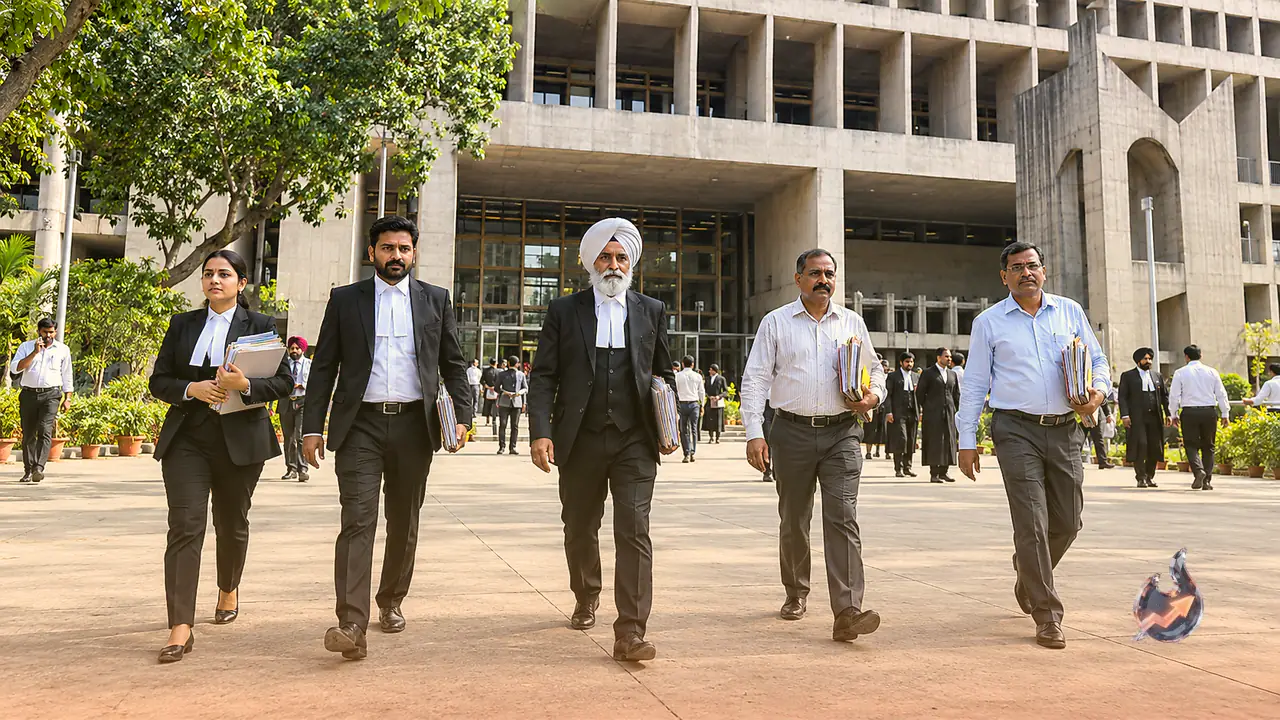



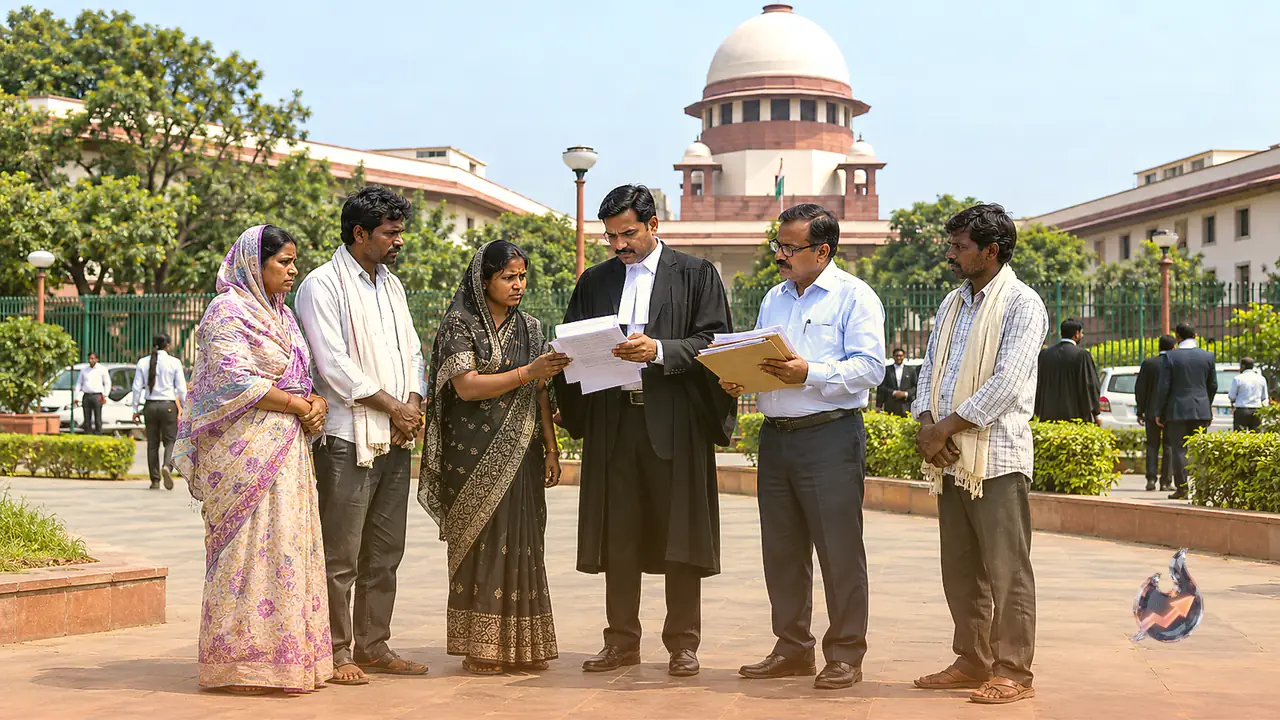

















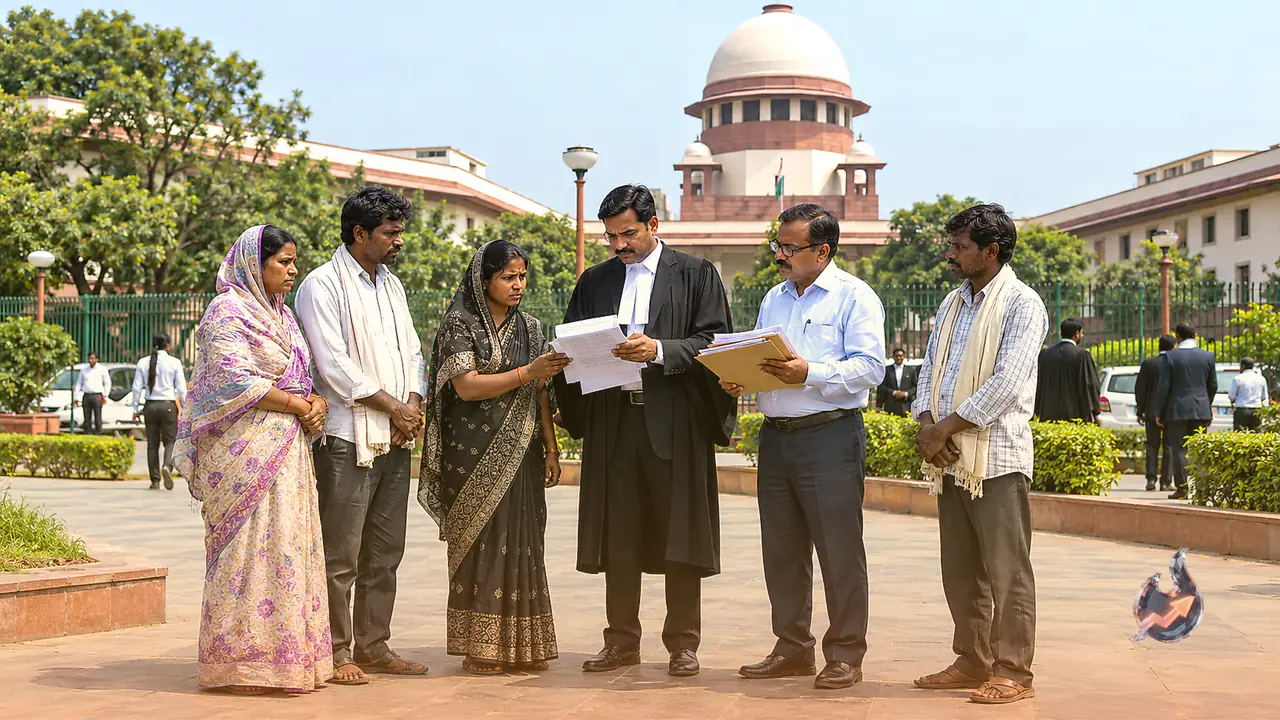

The highest judicial authority of the country has commanded strict compliance with its ruling that mandates a compensation of 30 lakh rupees to the dependents of workers who die while cleaning sewers, septic tanks, or engaging in manual scavenging. Emphasizing the gravity of the matter, the bench made it clear that states and officials failing to abide by these directives will face stringent scrutiny.
Review of State Compliance Reports
During the proceedings, the bench scrutinized compliance reports submitted by 15 states. These documents outlined details regarding financial aid given to deceased workers' families, the filing of police complaints, and criminal proceedings initiated against accountable parties. However, the court observed that while certain submissions claimed compensation had been sanctioned, it remained ambiguous whether the funds actually reached the grieving households. Similarly, the status of FIR filings lacked clarity in several instances. Consequently, the bench directed the concerned state administrations to file fresh, detailed reports within a four-week timeframe.
Accountability of Private Contractors
Under the judicial directives, states must explicitly clarify whether compensation has been disbursed, criminal cases have been registered, and what legal actions have been taken against perpetrators. Furthermore, the Supreme Court ruled firmly that if a worker perishes while performing duties for a private contractor or private establishment, the state cannot evade its fundamental responsibility. The government must ensure the victim's family receives the financial aid first and may subsequently recover the amount from the responsible party. Across various regions of the country, tragic incidents of workers perishing inside subterranean structures continue to surface, including cases like Rayagada in Odisha where laborers lost their lives due to asphyxiation inside newly constructed tanks.
Deliberation on Model Compensation Scheme
The bench also deliberated on a standardized model compensation scheme designed for sewer and septic tank workers. This proposed framework has been formulated in consultation with the Ministry of Social Justice and Empowerment. The scheme incorporates provisions for recording casualties or disabilities during cleaning operations, registering prompt police complaints, extending legal aid to affected households, and ensuring timely disbursement of relief funds. The court granted the states another window to rectify administrative shortcomings and submit supplementary reports within four weeks. Similar tragic accidents, such as the Mundka incident in Delhi where workers succumbed to toxic gases, highlight the urgent necessity for rigorous enforcement of these protective measures.