






















Weather patterns across Delhi and its surrounding national capital region are undergoing a noticeable transformation. Even before the official onset of November, a mild winter chill has begun setting in during the early mornings and late evenings. While the drop in temperature was earlier restricted mostly to the nighttime lows, meteorological forecasts indicate that daytime maximum temperatures are now set to decrease as well. For October 28, the minimum temperature is projected to hover between 16 and 17 degrees Celsius, while the maximum temperature is expected to settle around 29 to 30 degrees Celsius. These readings are roughly one to two degrees below the seasonal average, making the cooling effect much more pronounced for residents.
Partly Cloudy Skies and Persistent Haze
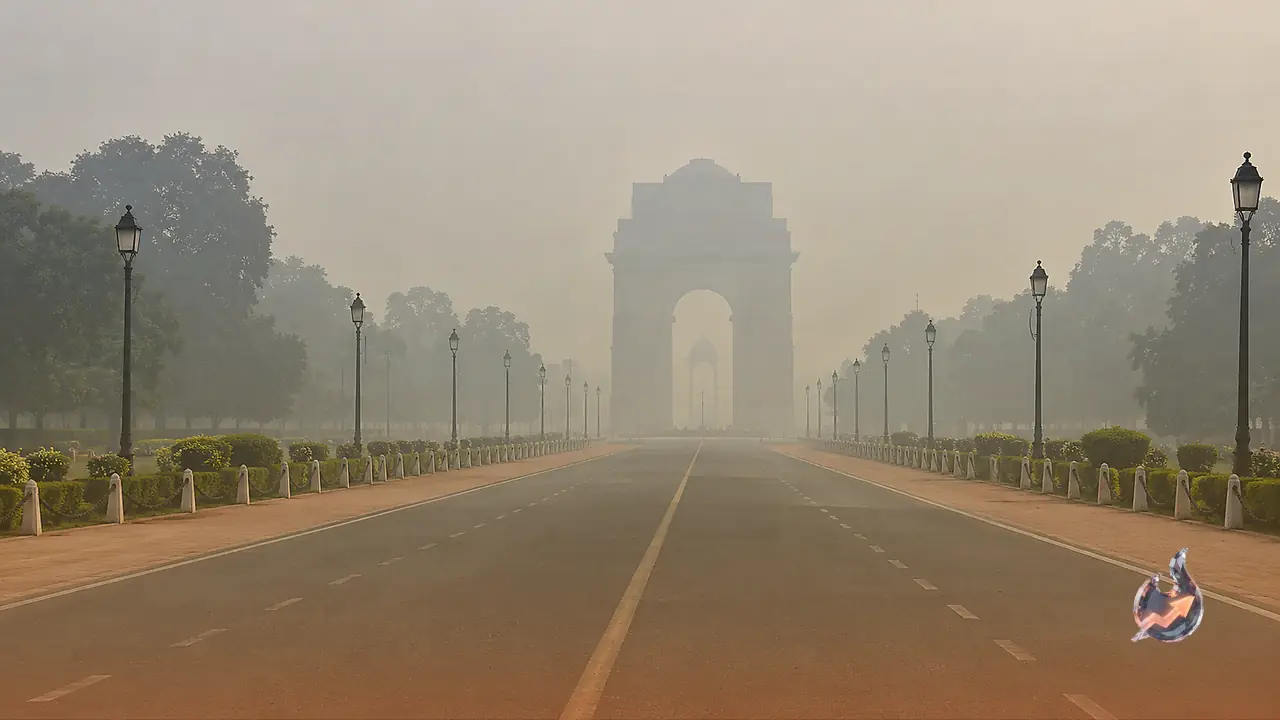
According to the India Meteorological Department, skies are expected to remain partly cloudy during the afternoon or evening of October 28, though there is no likelihood of any rainfall. Thick haze caused by elevated pollution levels obscured the skyline right from the early morning hours, casting a blanket of smog over the region. This atmospheric condition subdues the warmth of the sun, allowing people to feel the temperature drop more sharply. The IMD reiterates that both the minimum and maximum temperature projections remain slightly lower than normal averages, signaling an early transition into winter weather.
Rising Pollution Levels Sparking Fresh Concerns
The escalating level of pollution has emerged as a major cause for alarm across the Delhi-NCR area. Data from the India Meteorological Department shows that Delhi's overall air quality index remained around 197 on October 27, falling into the moderate category. However, readings at several monitoring stations across the city slipped into the poor category, recording figures between 250 and 280. Central Pollution Control Board metrics similarly reflect that the air quality in the region remains firmly in the poor bracket. Atmospheric scientists point out that vehicular emissions and localized activities continue to serve as the primary drivers behind this persistent pollution.
Morning visibility was visibly impacted on October 28 due to the combined presence of light haze and dense smog. According to the IMD and the Air Quality Early Warning System, air quality is anticipated to deteriorate further into the poor category throughout the day. Low wind speeds coupled with limited dispersion rates for pollutants threaten to worsen the smog situation further. In light of these conditions, authorities have advised sensitive individuals, children, and the elderly to exercise extreme caution regarding outdoor activities. Wearing masks and avoiding unnecessary outdoor exposure has been strongly recommended for vulnerable groups.
Anticipated Weather Shifts Over the Next Two Days
A fresh shift in weather conditions is anticipated over the subsequent two days, specifically on October 29 and October 30. Under the influence of an approaching western disturbance, light rainfall accompanied by thunder and lightning could pull temperatures down even further. This anticipated change is expected to bring some degree of relief by clearing out accumulated pollutants, though the immediate challenge posed by poor air quality persists under the current clear skies.