





















Sultanpur district in Uttar Pradesh has initiated a comprehensive waste management and sanitation program aimed at transforming rural garbage into a reliable source of revenue for local governing bodies. Under the broader Swachh Bharat Mission launched by Prime Minister Narendra Modi, the project moves beyond conventional cleanliness drives to create a functional circular economy in rural areas. By constructing Resource Recovery Centers (RRC) and Faecal Sludge Treatment Plants (FSTP) across gram panchayats throughout the district, local authorities plan to systematically process solid and liquid waste into high-quality organic fertilizers and reusable materials.
Structured Waste Segregation and Revenue Generation Model
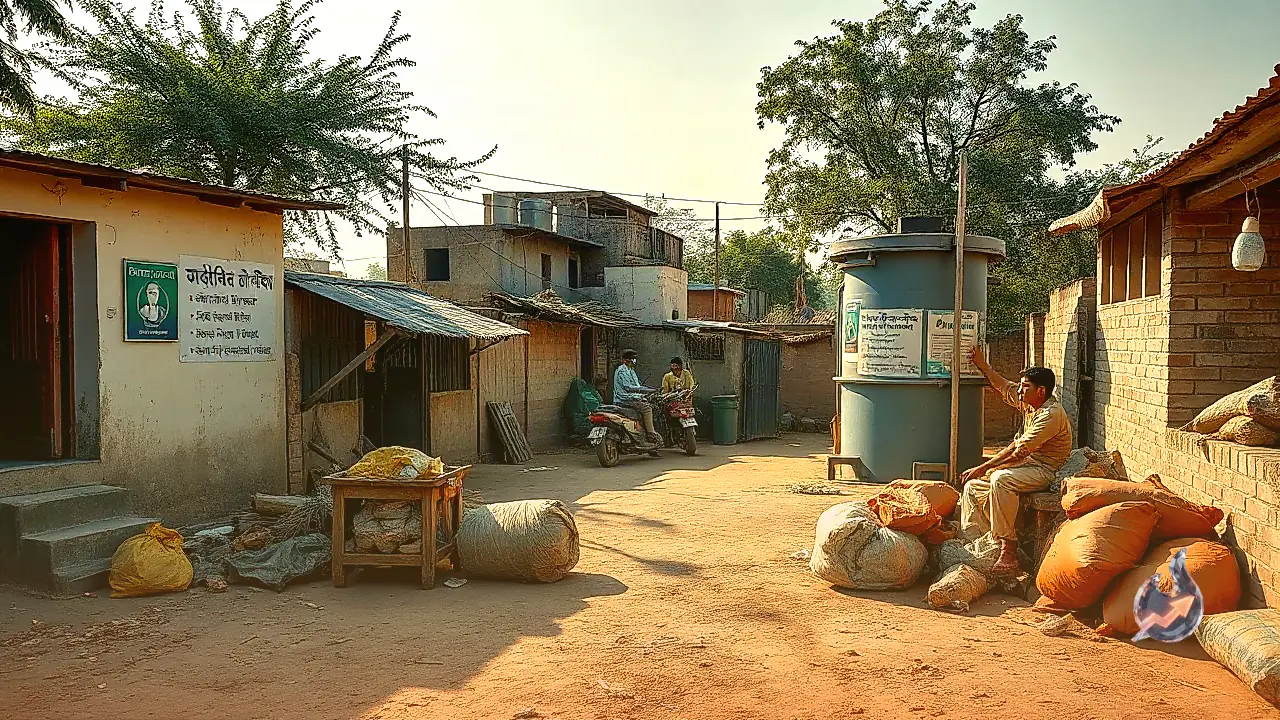
The operational mechanism relies on systematic waste collection managed by sanitation workers across entire gram sabha boundaries. Accumulated waste is brought directly to the designated Resource Recovery Centers, where it undergoes scientific segregation into distinct categories, including wet waste, dry waste, plastics, and metallic items. Recyclable substances such as iron and plastic scrap are sorted for commercial recycling and sold in local markets, creating a direct financial return for the village administration. Concurrently, wet organic waste is converted into nutrient-dense bio-fertilizers, creating a steady stream of income while enhancing financial self-reliance among gram panchayats.
Wastewater Treatment and Environmental Protection Through FSTP
To address the persistent challenge of liquid waste and septic tank effluent in rural regions, Faecal Sludge Treatment Plants are being constructed to handle domestic sewage safely. Historically, untreated waste from septic tanks and household toilets was often discharged into open fields, village drains, or nearby rivers and ponds, causing widespread contamination of water bodies and soil. The FSTP facility employs standardized, multi-stage treatment processes to purify incoming fecal sludge and wastewater. The recycled water will be utilized for agricultural irrigation and horticulture projects, significantly reducing freshwater wastage. Additionally, processed solid sludge is converted into high-grade organic compost, offering farmers a sustainable alternative to costly synthetic fertilizers.
District-Wide Expansion Following Successful Dostpur Pilot
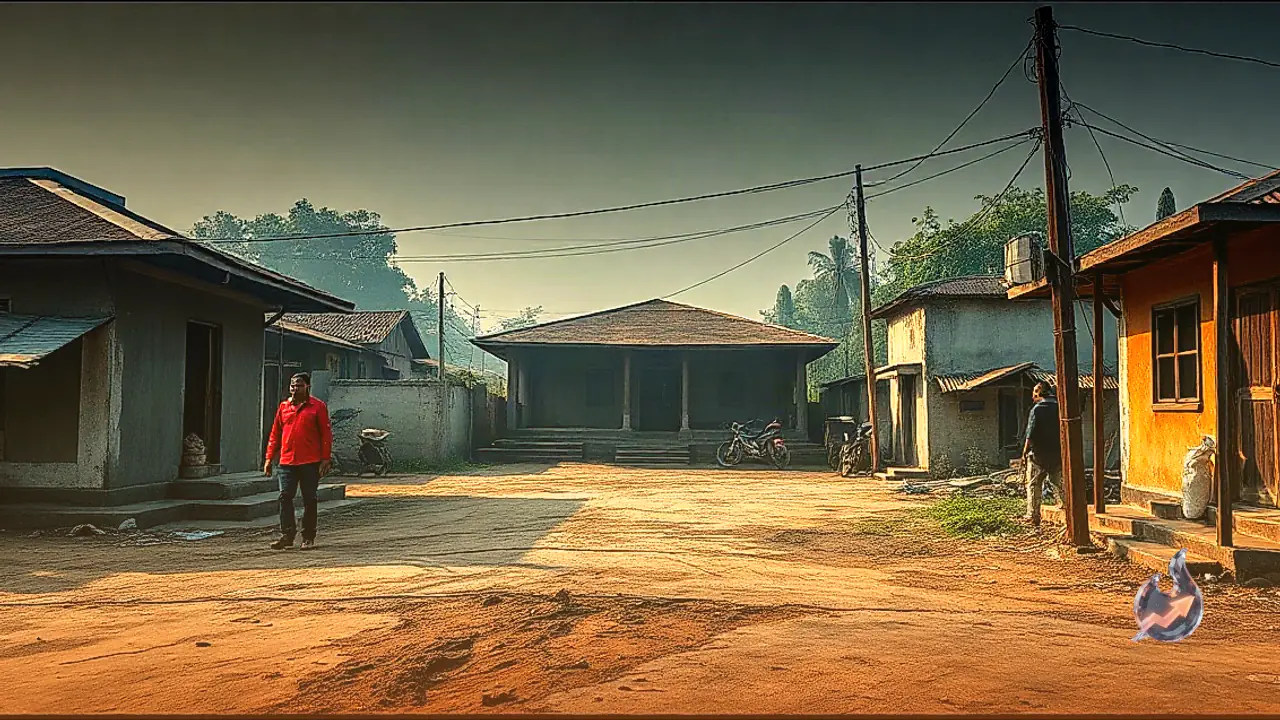
Detailing the roadmap, District Panchayat Raj Officer Abhishek Kumar Shukla stated that the primary objective is to render most gram panchayats in Sultanpur completely garbage-free while building economic self-sufficiency. Comprehensive public awareness drives are being organized to educate rural residents on household-level waste segregation and collection procedures. DPRO Shukla noted that the model was first implemented as a pilot project in Gorabarik gram panchayat, located within the Dostpur block of Sultanpur district. Building upon the positive results achieved during the pilot phase, authorities are now actively rolling out the model across every gram panchayat in Sultanpur district.