






















In a major crackdown against the illegal trade of counterfeit and diverted life-saving medications, the Interstate Cell of Delhi Police Crime Branch has busted an extensive inter-state syndicate involved in the manufacturing, theft, and black-marketing of high-value anti-cancer drugs. Law enforcement authorities have arrested 17 individuals following synchronized operations across six states. During the raids, police seized contraband, equipment, and cash with a combined estimated value of nearly Rs 9 crore, dealing a significant blow to the organized network exploiting vulnerable oncology patients.
Multi-State Supply Chain Uncovered
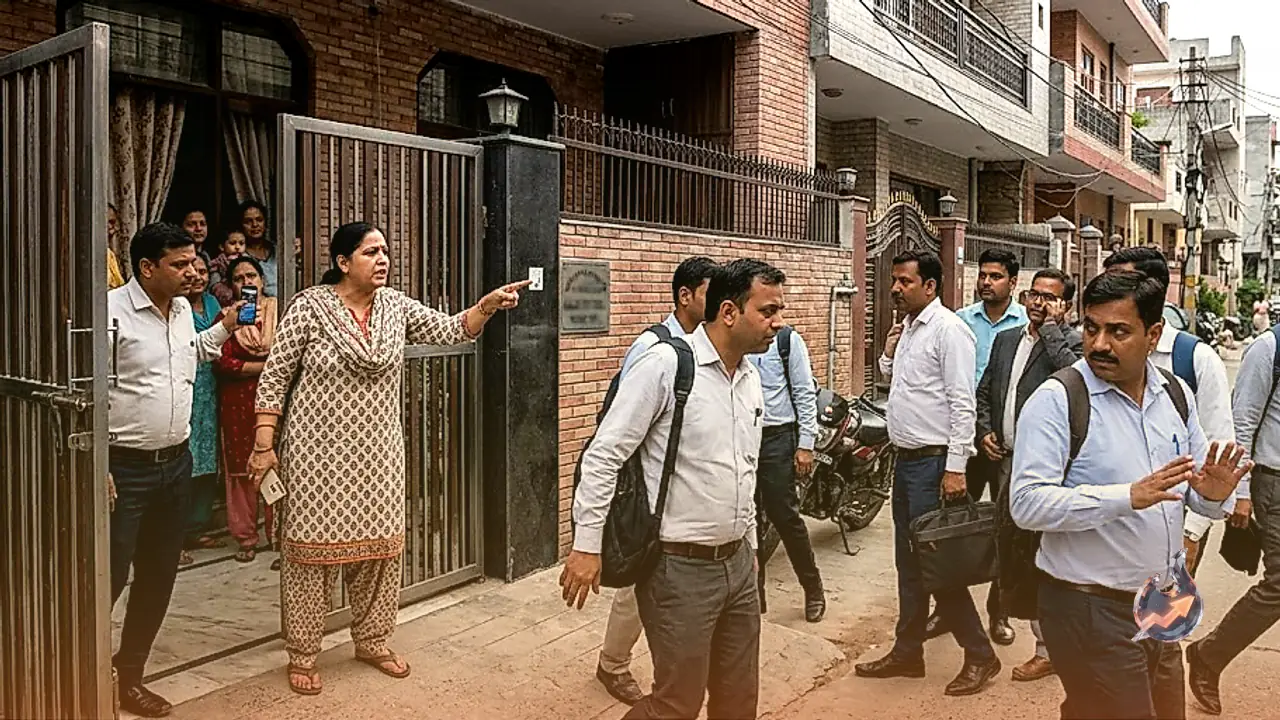
The investigation revealed that the syndicate had established an intricate distribution network reaching across Delhi-NCR, Mumbai, Navi Mumbai, Hyderabad, Haryana, Uttar Pradesh, and Rajasthan. The Crime Branch first received actionable intelligence regarding the operation of this organized crime ring on June 22, 2026. Surveillance was subsequently mounted on several key locations, including areas in East Delhi, Rohini, and Mumbai. Following weeks of intelligence gathering, the Crime Branch assembled 7 specialized raid teams on July 11, 2026. Working in coordination with local police forces and officials from the Drugs Department, simultaneous raids were carried out across multiple hideouts in Delhi and Navi Mumbai. Based on the evidence gathered, a formal FIR was registered at the Crime Branch Police Station in Delhi on July 12, 2026.
Breakdown of Seized Medicines and Assets
During the search operations, officers recovered a substantial quantity of counterfeit and diverted medications, specialized packaging gear, and financial ledgers. The total market valuation of the seized pharmaceuticals and property stands at approximately Rs 9 crore. Additionally, currency notes amounting to Rs 50 lakh in cash were seized from various premises associated with the suspects. The complete inventory of seized items includes
- 588 Filled Anti-Cancer Vials: Intact vials containing high-value oncology medications.
- 6 Empty Vials & 7 Empty Boxes: Used vials and empty medicine cartons intended for illegal re-packaging.
- 3,021 Units of Other Medicines: Auxiliary pharmaceuticals and medical products.
- Rs 50 Lakh Cash: Currency accumulated through illicit sales and cash-and-carry transactions.
- Packaging Equipment: Thermacol shipping containers, bubble wrap rolls, adhesive tapes, and heavy-duty polythene bags.
- Digital & Financial Evidence: Electronic communication devices, transaction ledgers, and cash accounting diaries.
The seized high-cost anti-cancer medications feature prominent international brand formulations, including Darzalex, Imfinzi, Erbitux, Opdyta, Gazyva, Bavencio, Adcetris, and Keytruda. These medications command premium prices in legitimate medical care and are critical for patient treatment protocols.
Three-Tier Modus Operandi of the Syndicate
Interrogation of the suspects detailed three primary channels used by the syndicate to source high-cost oncology drugs. First, the ring procured outright counterfeit medications directly from unverified manufacturers and illicit suppliers. Second, syndicate members compromised hospital supply chains to steal genuine oncology drugs prescribed for hospitalized patients. Third, the network illegally diverted subsidized or free pharmaceutical stocks dispatched to public healthcare institutions and government storage warehouses into the open black market.
Chemical Tampering and Re-Packaging Process
The entire procurement and distribution pipeline bypassed standard regulatory compliance, operating completely without valid invoices, purchase registers, or drug distribution licenses. Stock was stored in residential properties and makeshift locations without proper refrigeration or quality controls before being funneled to market intermediaries. To repurpose discarded containers, the suspects used chemical solvents such as acetone to erase original batch numbers, Maximum Retail Prices (MRP), and factory identification markings from used vials and boxes. They then applied fraudulent labels, packed the vials using thermacol boxes, bubble wrap, and tape, and dispatched them via courier networks.
Involvement of Medical Staff and Hospital Insiders
The probe highlighted alarming compromises within hospital administrative and nursing ranks. In Hyderabad, investigators uncovered a scheme where anti-cancer injections intended for hospital patients were systematically siphoned off for commercial resale. In Faridabad, Haryana, nursing staff attached to the oncology department of a private hospital played a direct role in diverting patient stock. One arrested suspect served as a Nursing In-charge at a facility, while another had previously worked as a Personal Assistant to a practicing oncologist. In Alwar, Rajasthan, an arrested suspect was caught diverting anti-cancer injections meant for admitted patients.
Profiles of the 17 Arrested Accused
Law enforcement officials have arrested 17 key operators associated with different links of the supply chain across multiple jurisdictions
- Delhi: Abhishek Vaishya (Laxmi Nagar), Shubham Kumar Chaudhary (Laxmi Nagar), Suraj Chaudhary (Laxmi Nagar), and Satish Kumar (Govindpuri).
- Uttar Pradesh: Gagan (Indirapuram, Ghaziabad), Vishwas Tyagi (Ghaziabad), and Anand Kumar (Noida).
- Haryana: Mukesh (Gurugram), Mayank Garg (Gurugram), Deepak alias Ravi (Faridabad), Jaswant Sharma (Faridabad), and Paramjeet Sheoran (Jhajjar).
- Telangana (Hyderabad): Srinivasulu Kalwa, Ramdas Satish Kumar, and Maluguri Srinath Reddy.
- Maharashtra: Ayush Kumar (Navi Mumbai).
- Rajasthan: Manish Sharma (Alwar).
Financial Trail and Ongoing Probe
The Crime Branch is currently conducting a thorough forensic examination of the seized transaction registers, digital devices, and bank accounts to map out the financial channels of the network. Investigators are working to trace the end-users, pharmacies, and medical brokers who purchased these compromised drugs. Authorities indicate that further arrests and additional seizures are expected as the financial and logistical inquiry progresses.