


















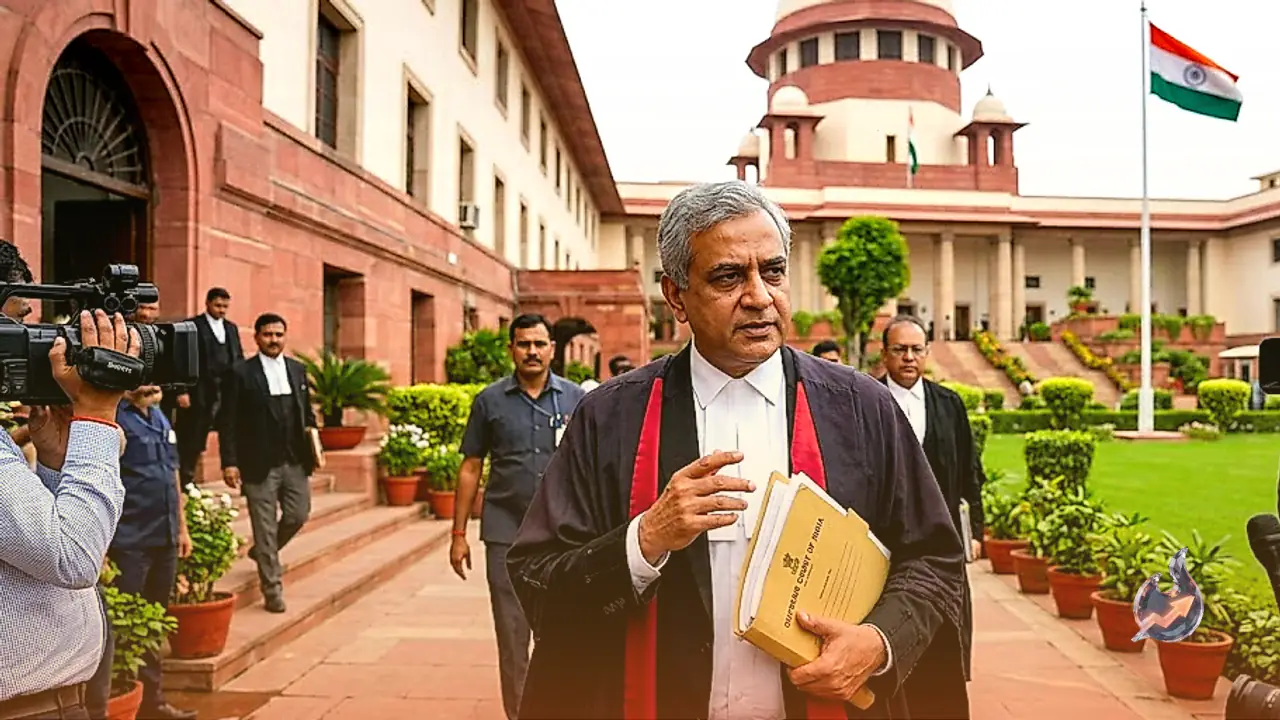

The Supreme Court Collegium has submitted a fresh set of recommendations to appoint new Chief Justices across several high courts in India, marking a major administrative update in the country’s judiciary. The decision covers top judicial postings in high courts including Delhi, Bombay, Patna, Allahabad, Rajasthan, Calcutta, and Punjab and Haryana. Through these nominations, the Collegium aims to ensure stability and permanent leadership in key state courts, transition long-serving acting heads into full-time roles, and fill leadership vacancies that have built up over recent months.
Key Nominations and Transfers for High Courts
According to the Collegium’s formal proposals, Justice V Kameshwar Rao, who is currently serving as a judge at the Delhi High Court, has been recommended to take charge as the Chief Justice of the Patna High Court. Meanwhile, Justice Mahesh Chandra Tripathi, currently a judge at the Allahabad High Court, is slated to become the Chief Justice of the Bombay High Court.
In addition to fresh transfers, the panel has recommended converting acting roles into full-time appointments in multiple states. Justice Ashwani Kumar Mishra has been proposed as the full-time Chief Justice of the Punjab and Haryana High Court. Similarly, Justice Sanjeev Prakash Sharma has been recommended for appointment as the permanent Chief Justice of the Rajasthan High Court. Furthermore, Justice Ravindra Vithalrao Ghuge, who has been serving as the acting Chief Justice of the Bombay High Court, is recommended to assume the position of full-time Chief Justice at the Calcutta High Court.
Decisions Awaited for Madhya Pradesh and Jammu & Kashmir
While recommendations for several major high courts have been finalized, the Supreme Court Collegium is yet to take a final decision regarding full-time Chief Justices for the Madhya Pradesh High Court as well as the High Court of Jammu & Kashmir and Ladakh. The leadership positions in these two jurisdictions remain undecided for now.
Following these Collegium proposals, the executive process for the appointments will move forward. The ultimate clearance and formal notification of these judicial appointments will take place after all mandatory constitutional and administrative formalities are fully completed by the union government.