






















Track Repairs Completed in Murshidabad as Trains Between North and South Bengal Prepare for Normal OperationsIndia
5 Sept 2026, 2:50 pm (8 hours ago)· 2

Track Repairs Completed in Murshidabad as Trains Between North and South Bengal Prepare for Normal Operations

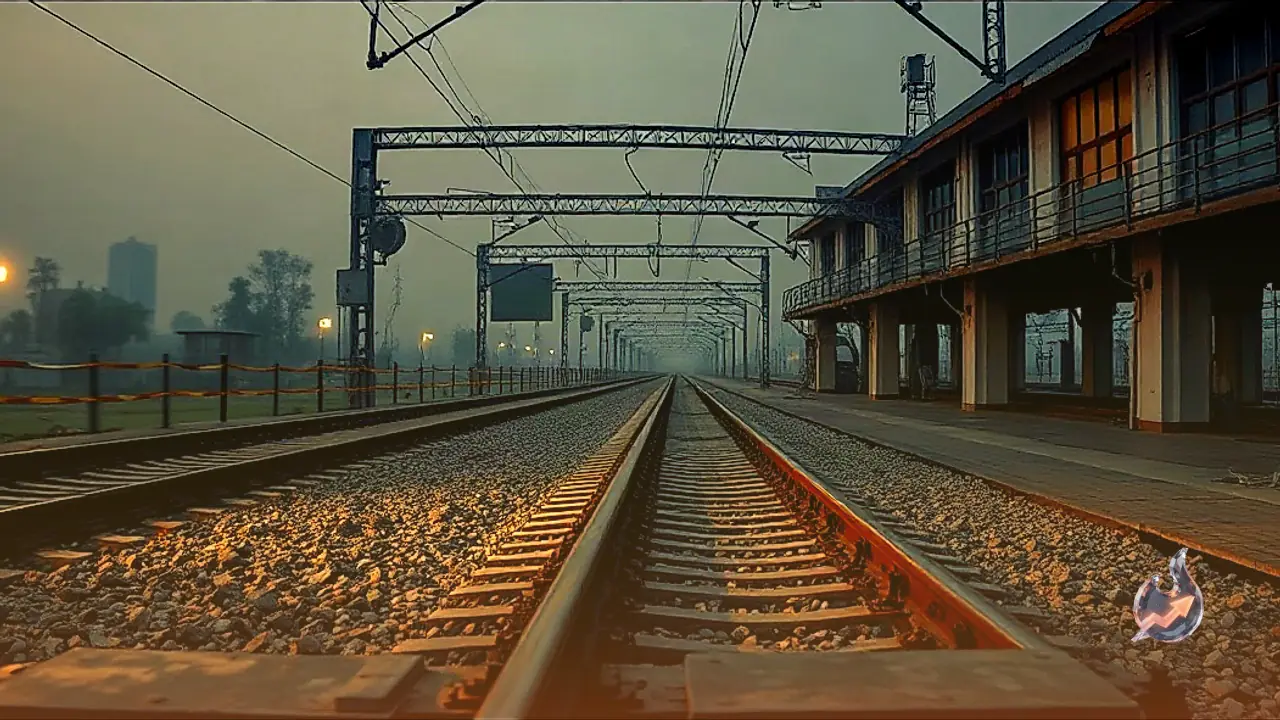
Repair work on damaged railway tracks on the New Farakka line in West Bengal's Murshidabad district has been completed, followed by trial runs on Saturday morning. Officials expect normal train operations between North and South Bengal to resume by Saturday evening.

Railway track repair work along the New Farakka line in West Bengal's Murshidabad district was completed on Saturday morning, followed immediately by official trial runs. Train movement on this strategic line connecting South Bengal with North Bengal had been severely disrupted over the past few days following a major landslide.

Landslide and Continuous Rain Cause Severe Disruption

The service outage was triggered by a landslide that severely damaged the tracks along the New Farakka section. Emergency repair operations were initiated by railway authorities on Thursday, but persistent rainfall severely hampered restoration efforts. The soil around the affected zone remained unstable and waterlogged, posing significant challenges to engineers and ground staff.

Also read

Weather conditions finally improved late Friday night after the rain stopped, enabling repair teams to accelerate their work through the night and finish track restoration by Saturday morning.

Normal Operations Expected by Saturday Evening

Following the completion of track repairs, railway engineering teams successfully conducted trial runs on Saturday morning. Officials confirmed that full commercial train services on the route are expected to resume by Saturday evening once all safety checks are verified. The progress brings significant relief to thousands of commuters whose travel plans between North and South Bengal were thrown into disarray over recent days.

During the disruption, multiple train services linking South Bengal to North Bengal were cancelled, while several others had to be diverted via alternative routes. Railway officials emphasized that normal train scheduling would only be restored after total safety verification and successful trial movements on the re-laid tracks.

Ground Crew Celebrates Success as High Bus Fares Ease

Railway personnel and engineers who worked around the clock in challenging conditions expressed immense satisfaction after completing the trial run. Workers on site celebrated the milestone on Saturday morning by raising slogans of 'Bharat Mata ki Jai'.

The train disruption had also triggered an acute surge in demand for private road transport. Private bus operators running services between Kolkata and Siliguri capitalized on the crisis, hiking ticket prices from the standard rate of around 1,500 rupees to steep fares ranging between 5,000 and 6,000 rupees in recent days. With the restoration of rail tracks, passengers are expected to get relief from these inflated transport costs.


Questions & Answers

Why were train services disrupted on the New Farakka line?
Train services were halted due to track damage caused by a landslide and continuous heavy rainfall along the New Farakka route.
When were the repair work and trial runs completed?
Repair work on the railway tracks was completed on Saturday morning, and test runs were initiated immediately afterward.
When are normal train operations expected to resume?
Railway officials expect normal train operations between South and North Bengal to fully resume by Saturday evening.
How did the train outage affect private bus fares?
With trains canceled, private bus operators hiked Kolkata to Siliguri fares from the normal 1,500 rupees to between 5,000 and 6,000 rupees.

Comments 2

Rohan Verma@rohan-verma·7h ago

The swift restoration of tracks in Murshidabad highlights the critical need for operational agility during natural disasters. However, the fourfold surge in private bus fares up to 6,000 rupees during the crisis exposes a glaring regulatory failure in pricing oversight. Future infrastructure disruptions must feature stringent fare caps and coordinated alternative transport to protect commuters from severe financial exploitation.

Karan Malhotra@karan-malhotra·7h ago

The steep four-to-six-fold hike in private bus fares during this crisis reflects a critical regulatory failure and opportunistic exploitation of stranded commuters rather than mere market dynamics. Under existing legal frameworks governing disaster management, such predatory pricing warrants immediate administrative intervention to curb extortion. Moving forward, the district administration and transport authorities must establish enforceable price-capping mechanisms and emergency transit protocols during disruptions to protect citizens from financial exploitation.

Citizen journalism

Become a TrendKia journalist

Voice of the people

Share news, photos and videos from your area with TrendKia and let your voice reach the nation. Every citizen a journalist.

Join now
CH 01 LIVE
TrendKia TV ON AIR