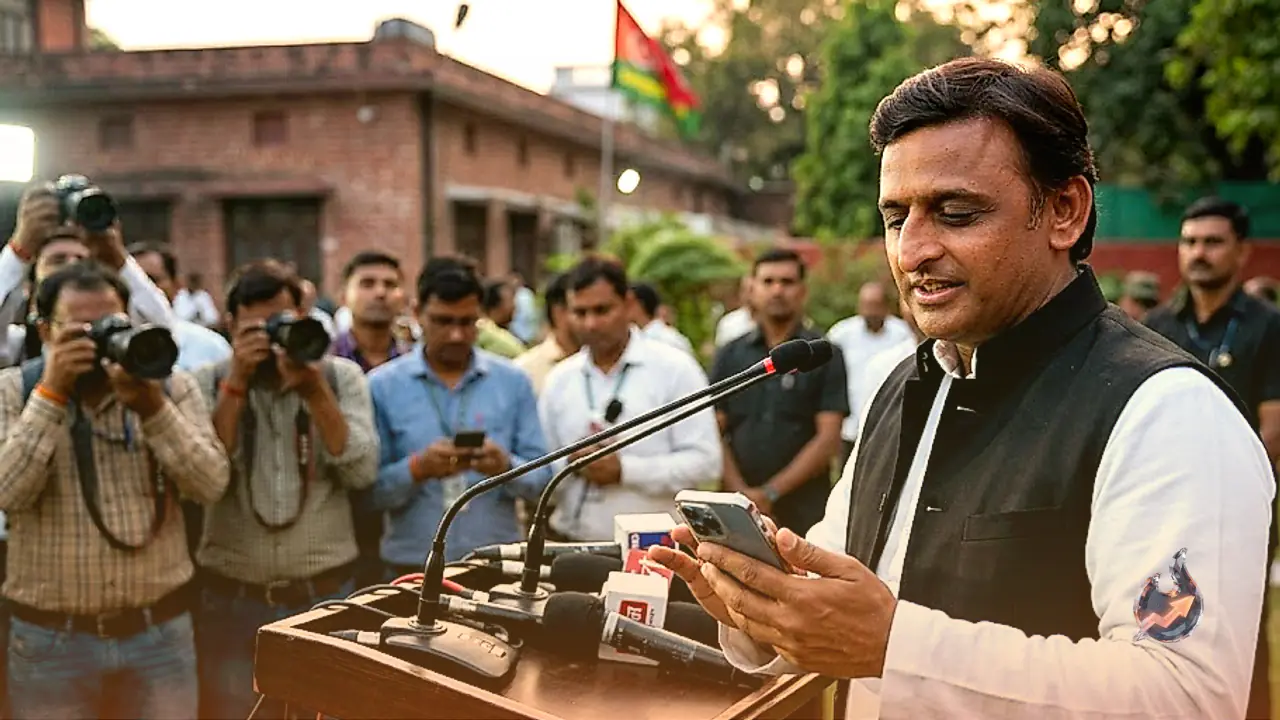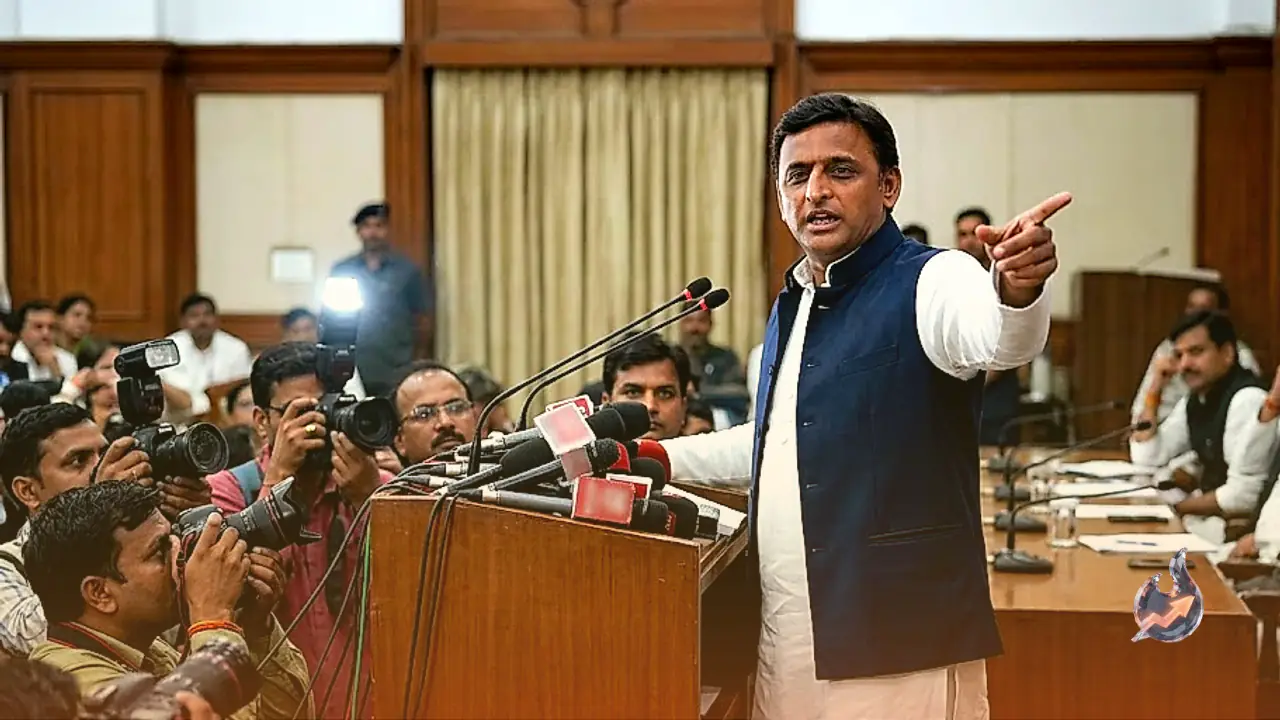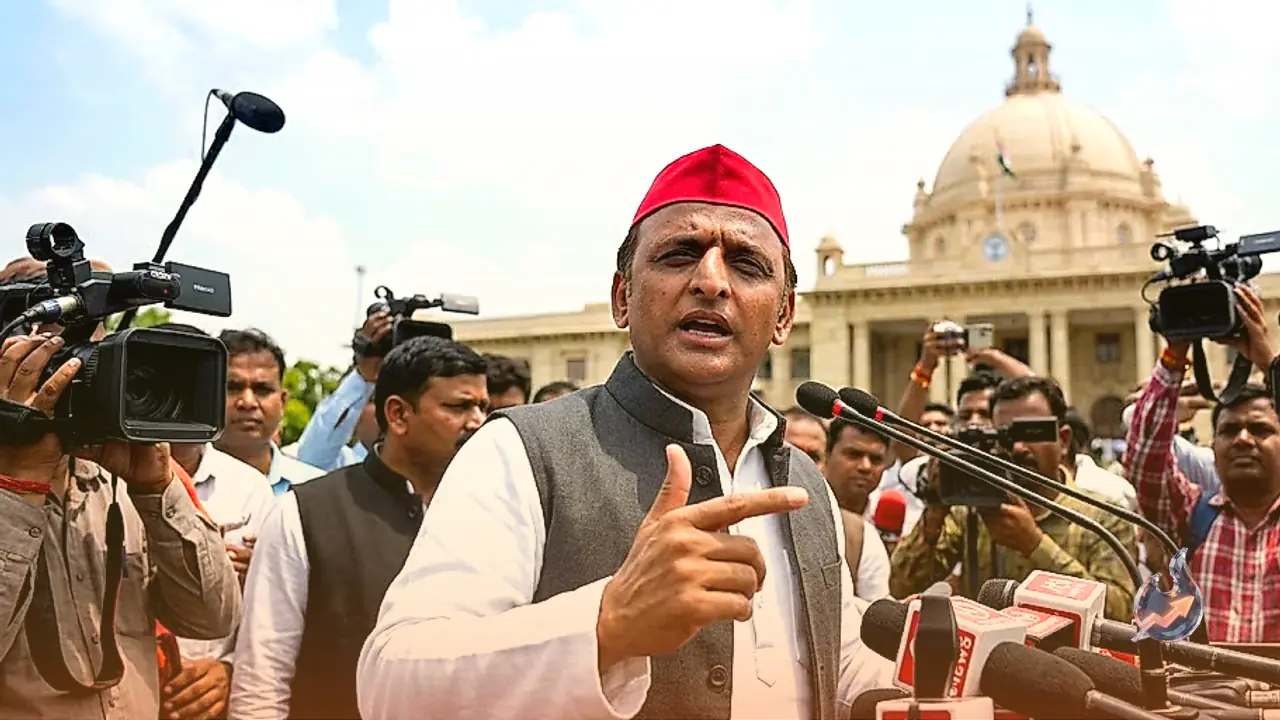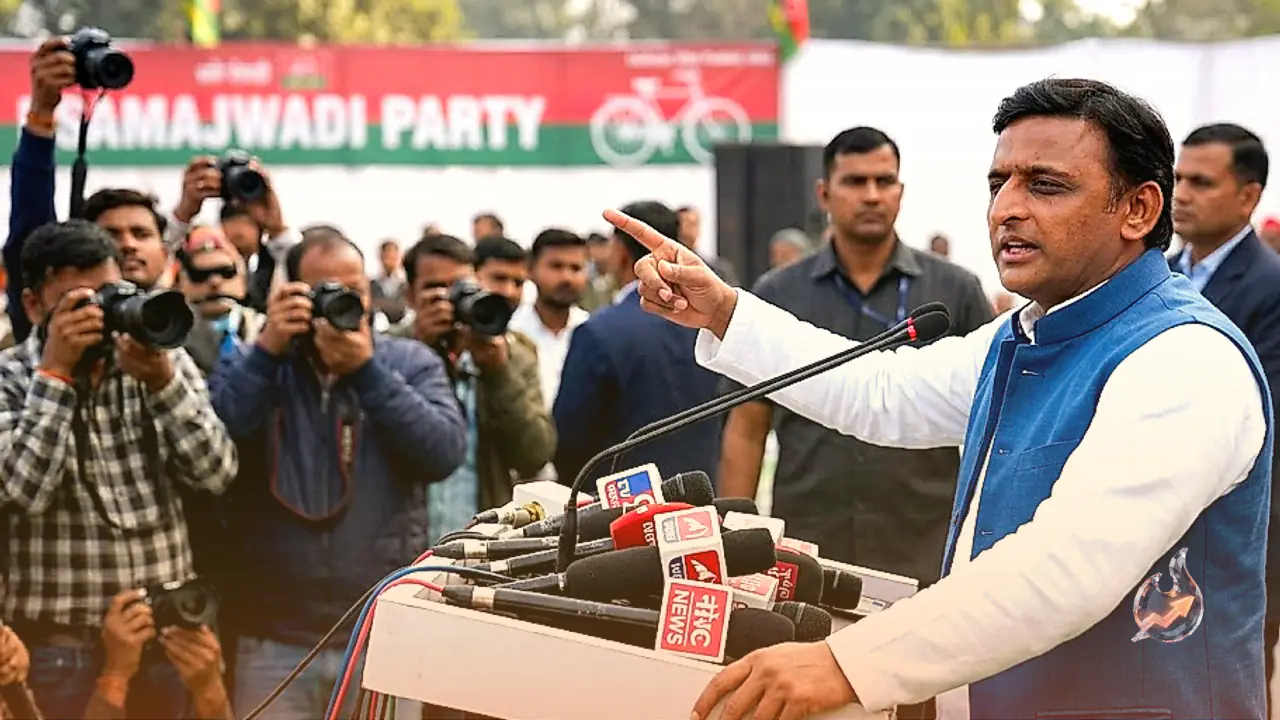






















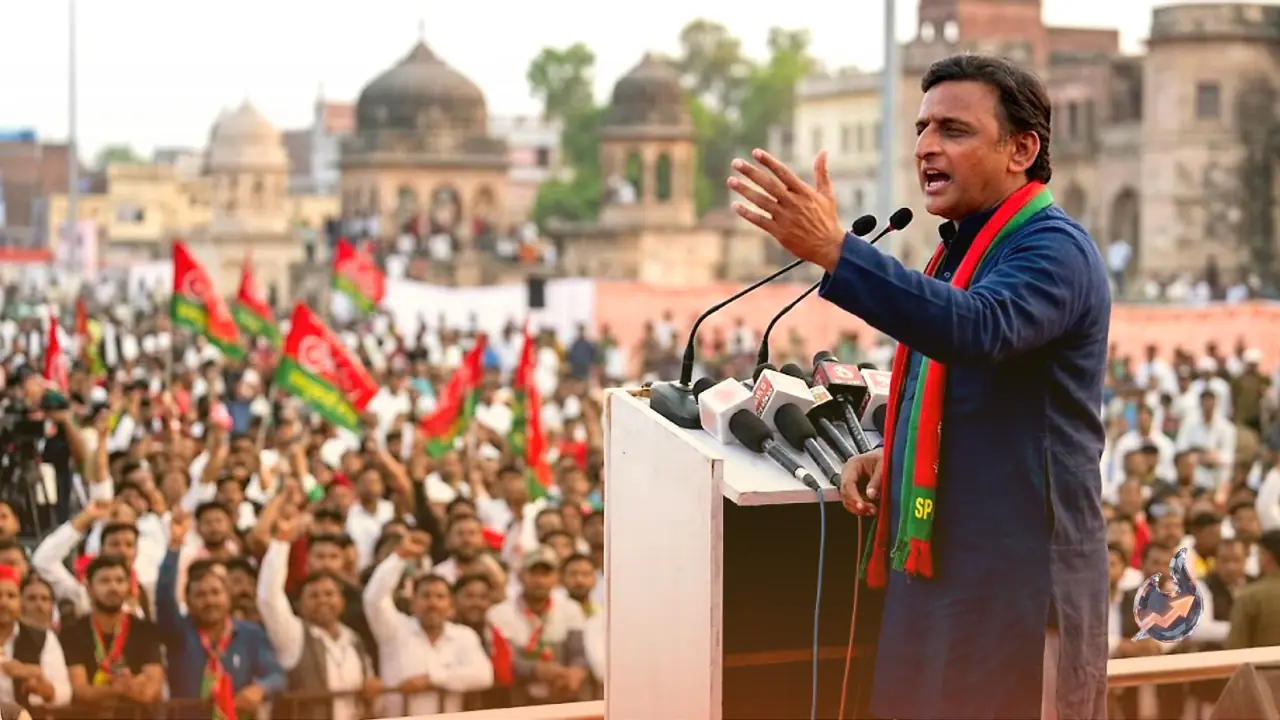

Samajwadi Party leader Akhilesh Yadav has shared a significant declaration on the social media platform X, detailing his long-term vision for the historic city of Ayodhya in Uttar Pradesh. Through his official account, the politician pledged that upon the formation of a new government under his leadership, the holy city would undergo a massive spiritual and infrastructural transformation. This announcement has triggered widespread discussion across political circles, especially given the historical and cultural sensitivity surrounding the region. The move is widely seen as an attempt to connect with a broader demographic of voters who prioritize cultural preservation alongside civic development.
The Vision for a Global Spiritual Hub
In his online statement, Akhilesh Yadav expressed a deep commitment, backed by devotion and integrity, to redevelop Ayodhya into an exemplary religious destination. He emphasized that under his proposed administration, the city would be curated to offer an unparalleled spiritual experience for tourists and pilgrims visiting from all corners of the world. By invoking divine blessings, he asserted his goal to elevate the ancient and eternal prestige of Ayodhya, aiming to bridge the gap between traditional heritage and modern administrative excellence. His pledge underscores a strategic shift to present a governance model that respects religious sentiment while focusing on global tourism standards.
About Ayodhya
To provide geographic and administrative context, Ayodhya is an ancient historical city situated on the banks of the Saryu River in the northern Indian state of Uttar Pradesh. Apart from its profound cultural legacy, the city serves as the administrative headquarters for both the Ayodhya district and the larger Ayodhya division of Uttar Pradesh. The day-to-day administrative functions, infrastructure management, and civic amenities of this historic town are overseen by the Ayodhya Municipal Corporation, which is the official local governing body. It attracts millions of devotees annually, making its governance crucial for regional economics.
Public Reaction and Social Media Debates
The social media announcement quickly became a focal point of intense public debate, drawing diverse viewpoints from various segments of society. A portion of the online audience commended the resolve, describing it as a progressive step toward genuine spirituality and public welfare rather than mere political posturing. Conversely, critics vehemently opposed the statement, bringing up historical grievances such as the past police actions and firing on Karsevaks during previous Samajwadi Party administrations. Many advisory comments warned him to distance his party from the Ram Temple discourse. At the same time, some users seized the opportunity to critique the ruling Bharatiya Janata Party over localized governance issues, pointing out infrastructure problems like poor drainage in Agra, while others raised questions regarding security measures and CCTV footage at the temple complex. Overall, the digital post has reignited a fierce ideological struggle between opposing political camps online, reflecting the deeply polarized nature of regional politics.